
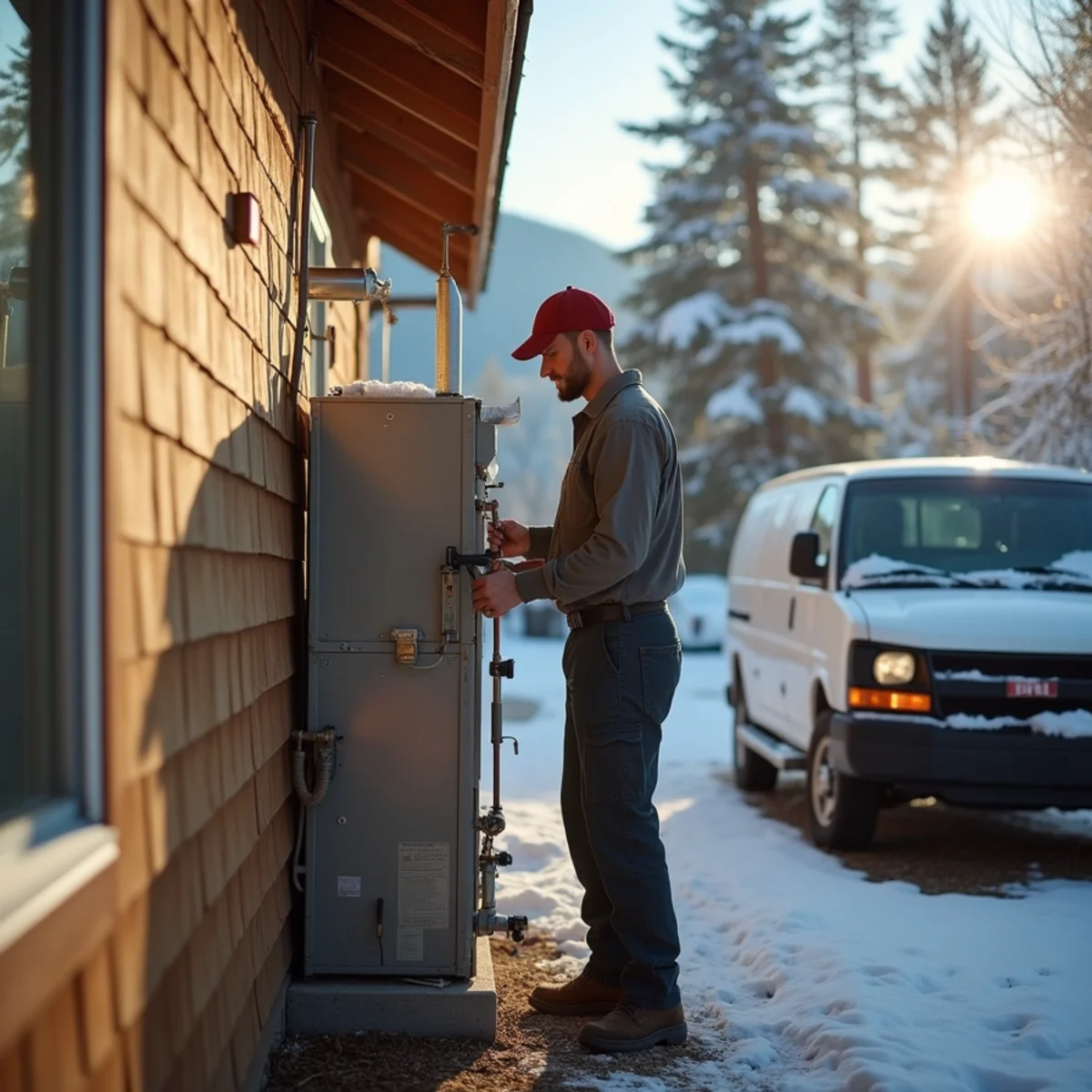
Colfax sits up around 2,400 feet where I-80 starts to climb in earnest, and that elevation changes the entire HVAC picture — this is heating country, with real cold snaps and the kind of snowfall the valley floor never sees. It's a straight 22-minute run up I-80 from our Auburn shop, roughly 18 miles east, which makes it one of our foothill Tier 2 areas. Most of what we do in Colfax is keep the heat on through a long winter.
Heating-Dominant Homes at 2,400 Feet
Colfax pairs older homes around its historic downtown and railroad depot with rural parcels scattered up the ridges toward Rollins Lake. Heating is the priority here in a way it simply isn't down the hill: furnaces run hard from late fall into spring, and a no-heat call during a January cold snap is a true emergency, with frozen pipes and household safety on the line. Many rural lots heat with propane rather than natural gas, and wood or pellet stoves are common as backup — so a heating problem is sometimes a propane-supply or regulator issue rather than the furnace itself.
We handle furnace repair and replacement here constantly, and cold-climate heat pumps are increasingly viable at this elevation — but we're honest that they need careful sizing and usually a backup heat source for the deepest cold. PG&E Public Safety Power Shutoffs also hit this stretch of the foothills during fire weather, so power reliability is part of any equipment conversation. Every replacement goes in with a permit to California's 2025 Title 24 standards, and outdoor units get set to clear the snow line.
Why Colfax Homeowners Choose The HVAC Auburn CA
Colfax sits where I-80 starts to climb, and its winters are nothing like the valley floor's — this is heating country, and we treat it that way. Here's why homeowners here call us:
- A straight 22-minute run up I-80 from our North Auburn shop, roughly 18 miles east — as a foothill Tier 2 area we're up here regularly, though response depends on weather, traffic on the hill, and demand rather than a same-day promise.
- Licensed California CSLB C-20, bonded and insured, with every furnace replacement permitted to 2025 Title 24.
- Upfront written pricing, and we run 24/7 — so a no-heat call at 2,400 feet in January gets a real answer, not a voicemail.
- ACCA Manual J heat-load sizing for genuine cold snaps, including honest planning for a backup heat source when a heat pump goes in.
- Real familiarity with Colfax's mix — older homes around the historic downtown and railroad depot, plus rural parcels up the ridges toward Rollins Lake, many on propane with a wood or pellet stove for backup.
What a Real Colfax Winter Demands of a Heating System
At about 2,400 feet, heating is the priority in Colfax in a way it simply isn't down the hill. Furnaces run hard from late fall into spring, and a no-heat call during a January cold snap is a true emergency — frozen, burst pipes and household safety are on the line within hours. Many rural parcels up toward Rollins Lake heat with propane rather than natural gas, with wood or pellet stoves as backup, so a heating fault is sometimes a propane-supply or regulator issue rather than the furnace itself. We diagnose the whole chain before condemning a unit.
Cold-climate heat pumps are increasingly viable at this elevation, but we're honest that they need careful sizing and usually a backup heat source for the deepest cold — we won't sell you one that leaves you cold in a hard freeze. PG&E Public Safety Power Shutoffs also hit this stretch of the foothills during fire weather, so power reliability is part of any equipment conversation. Every replacement goes in with a permit, and outdoor units get set to clear the snow line — the same snow-country approach we bring farther up I-80 in Alta.
No heat in a hard freeze?
A dead furnace during a Colfax cold snap is an emergency — burst pipes can follow within hours. If you smell gas or see scorching, shut the system off and call right away; we run 24/7 for no-heat calls up here.
Local Landmarks & a Recent Job
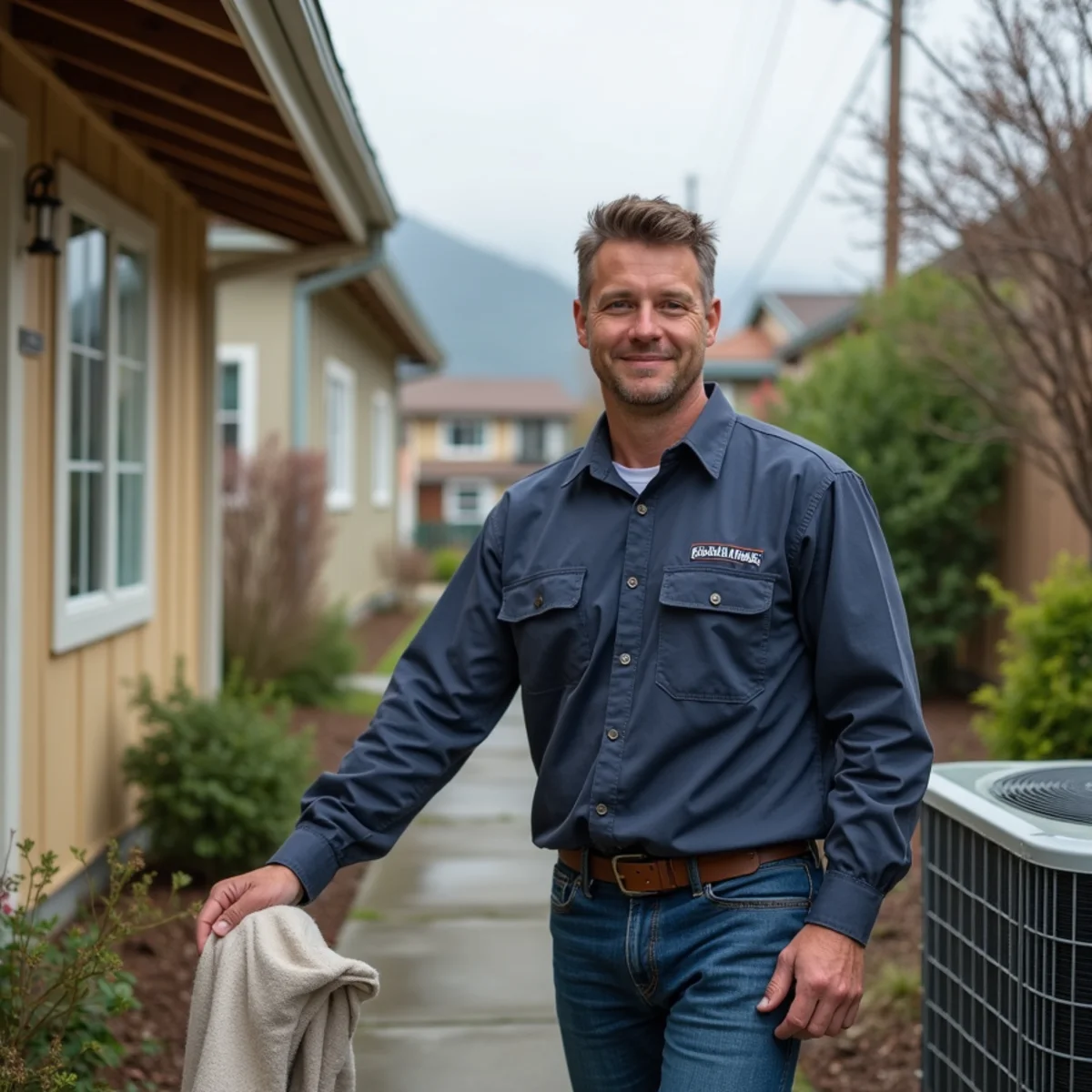
A family off Main Street woke to a dead furnace and 34°F outside during a hard cold snap. We got up I-80 that morning, traced it to a failed igniter and a cracked heat exchanger on a 22-year-old unit, and after safing the old furnace we replaced it before the next night dropped below freezing.
HVAC Services in Colfax
For Colfax's snow-country winters and heating-first homes, these are the services we're called on most:
Furnace Repair
Gas, propane, and electric furnace repair when a foothill cold snap leaves you without heat.
Learn moreFurnace Installation & Replacement
High-efficiency gas, propane, and electric furnace replacement, sized and installed to code.
Learn moreHeat Pump Installation & Repair
Heating and cooling from one efficient system, with real rebate and Title 24 guidance.
Learn moreEmergency Furnace Repair
No heat on a freezing foothill night? Priority dispatch, day or night.
Learn moreNearby Areas We Serve
Colfax HVAC FAQs
A properly sized cold-climate heat pump handles most of a Colfax winter efficiently, but at 2,400 feet we plan a backup heat source — often the existing furnace or a wood stove — for the coldest snaps. We won't install one without that safety net in place.
Yes, we run 24/7 for no-heat emergencies. A dead furnace during a Colfax freeze can burst pipes within hours, so we treat it as urgent — though the drive up I-80 in winter weather means we give you an honest arrival time rather than a guarantee.
Not necessarily. On propane systems the problem is often the regulator, tank supply, or a plugged burner orifice rather than the furnace itself. We check the whole fuel chain first, before recommending any repair or replacement.
They can. PG&E Public Safety Power Shutoffs reach this part of the foothills during fire weather, and even a gas or propane furnace needs power for its blower and controls — so we factor backup power into the plan when it matters to how you heat.