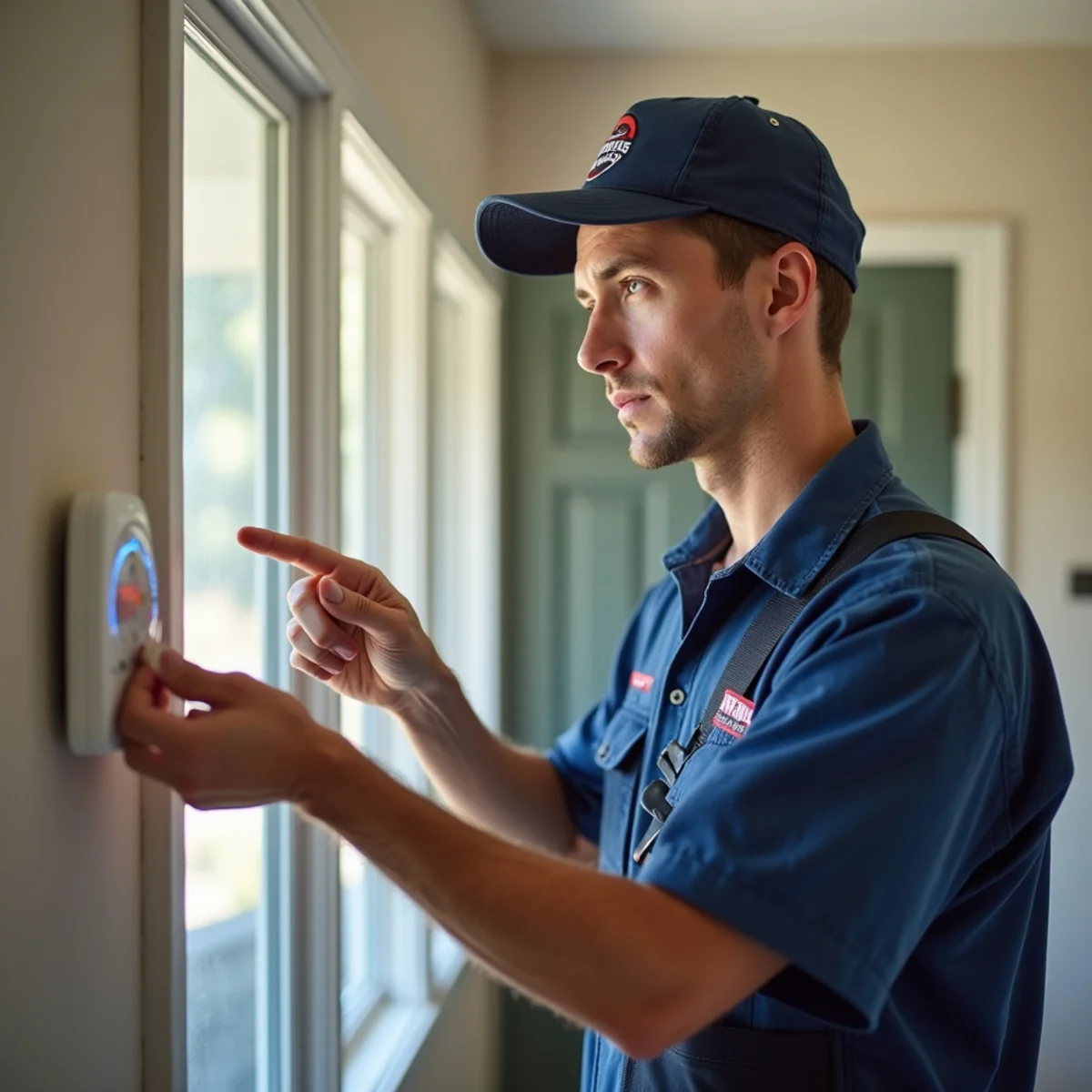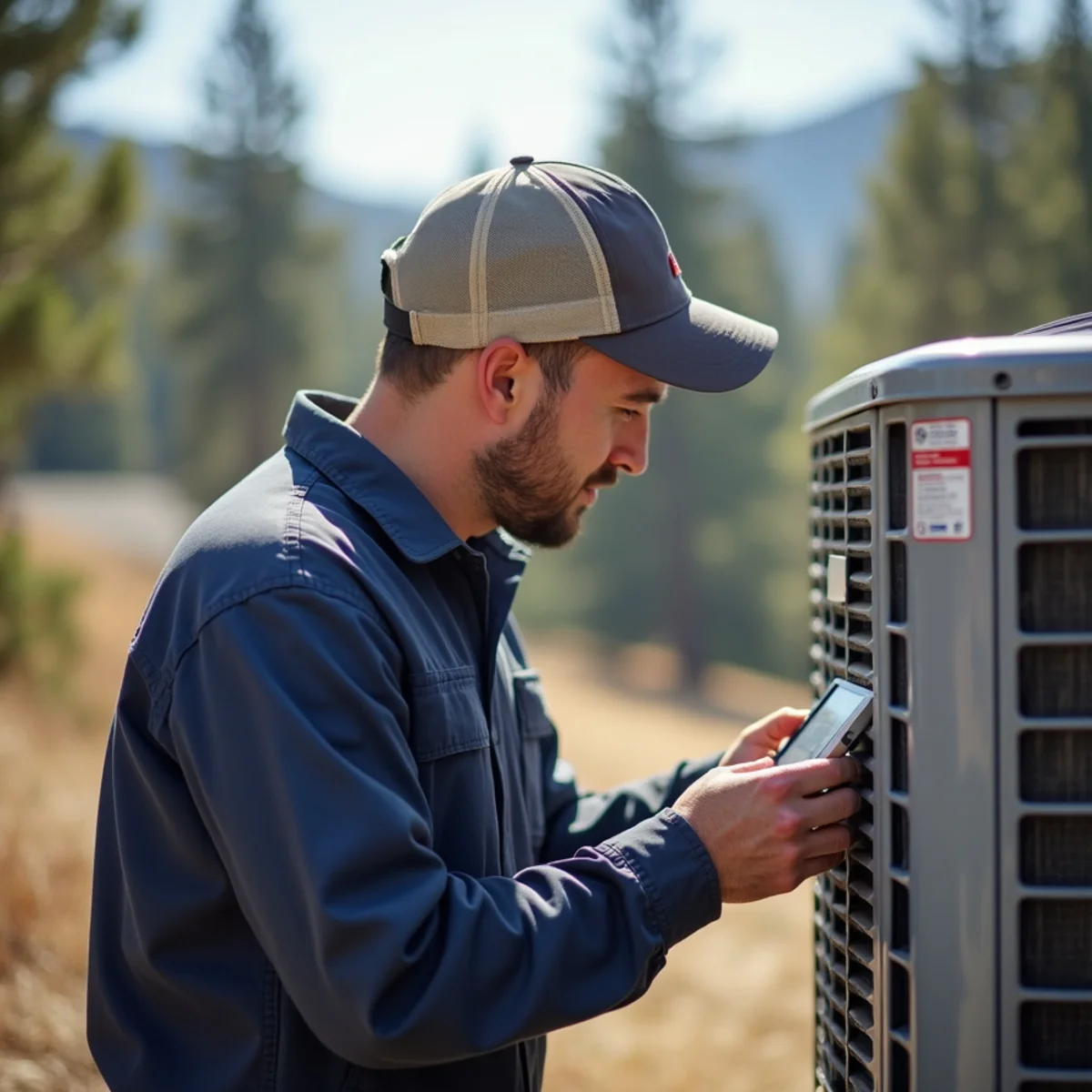
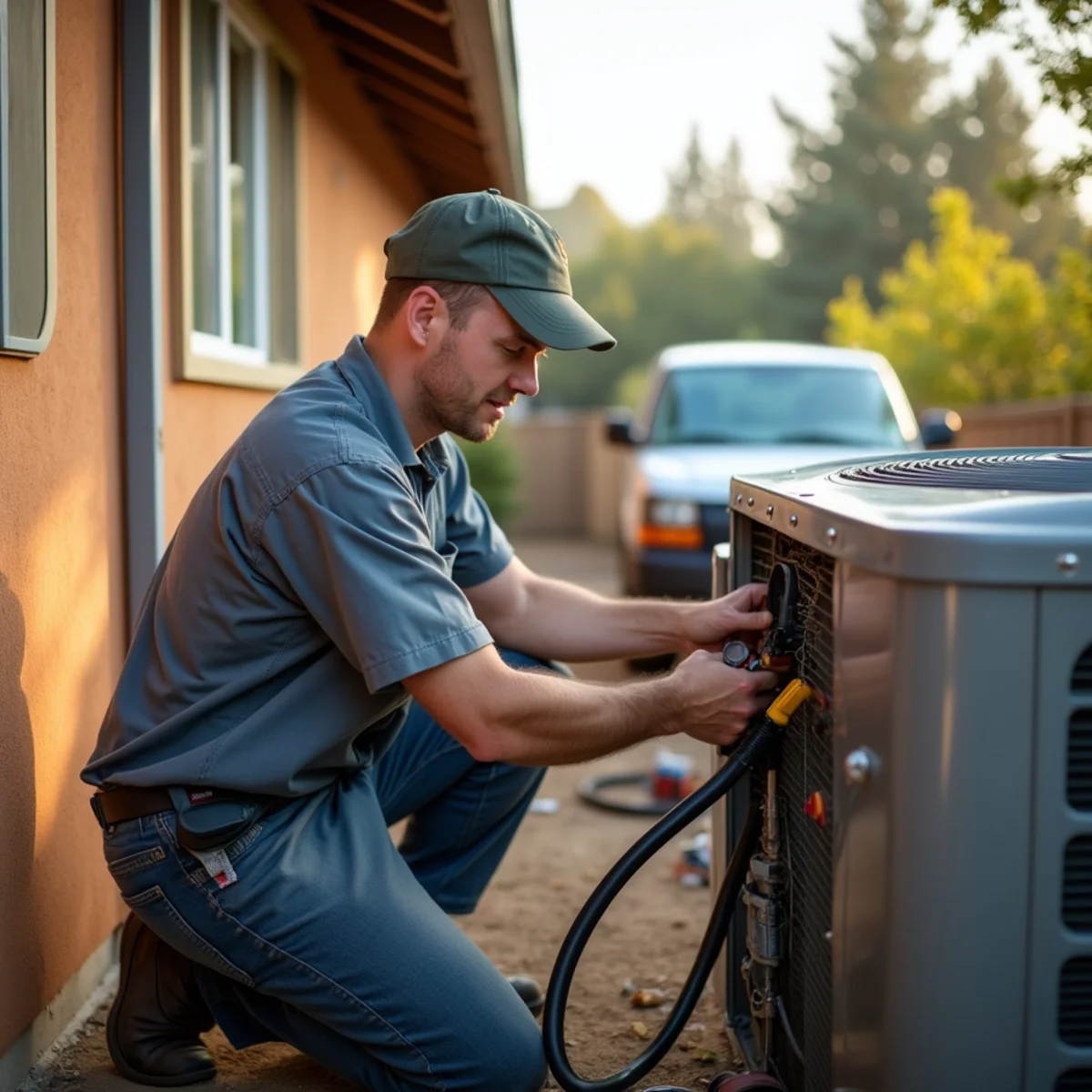
When the AC dies during one of Auburn's 100°F stretches, indoor temperatures climb fast and the house can become genuinely unsafe for young children, older adults, and pets. We prioritize no-cooling emergencies with same-day and after-hours dispatch and trucks stocked to fix most failures on the spot.
When No Cooling Becomes an Emergency
On a mild day, a dead AC is an inconvenience. During a foothill heat wave, it's a health risk — especially in South Auburn view homes and upstairs bedrooms that trap attic heat. Don't wait it out if:
- Indoor temperatures are climbing past 80°F and still rising
- Infants, elderly, or medically vulnerable people are in the home
- Pets are in distress from the heat
- The outdoor unit is silent, or the breaker keeps tripping
- You smell burning or see ice on the refrigerant lines
Before we arrive
Close blinds on the sun side, run ceiling fans, hydrate, and move everyone to the coolest room. Check the thermostat and filter, but if you smell burning or see arcing, shut the system off and wait for us. Our 7 things to check before you call covers the safe steps.
Fast Diagnosis of the Usual Culprits
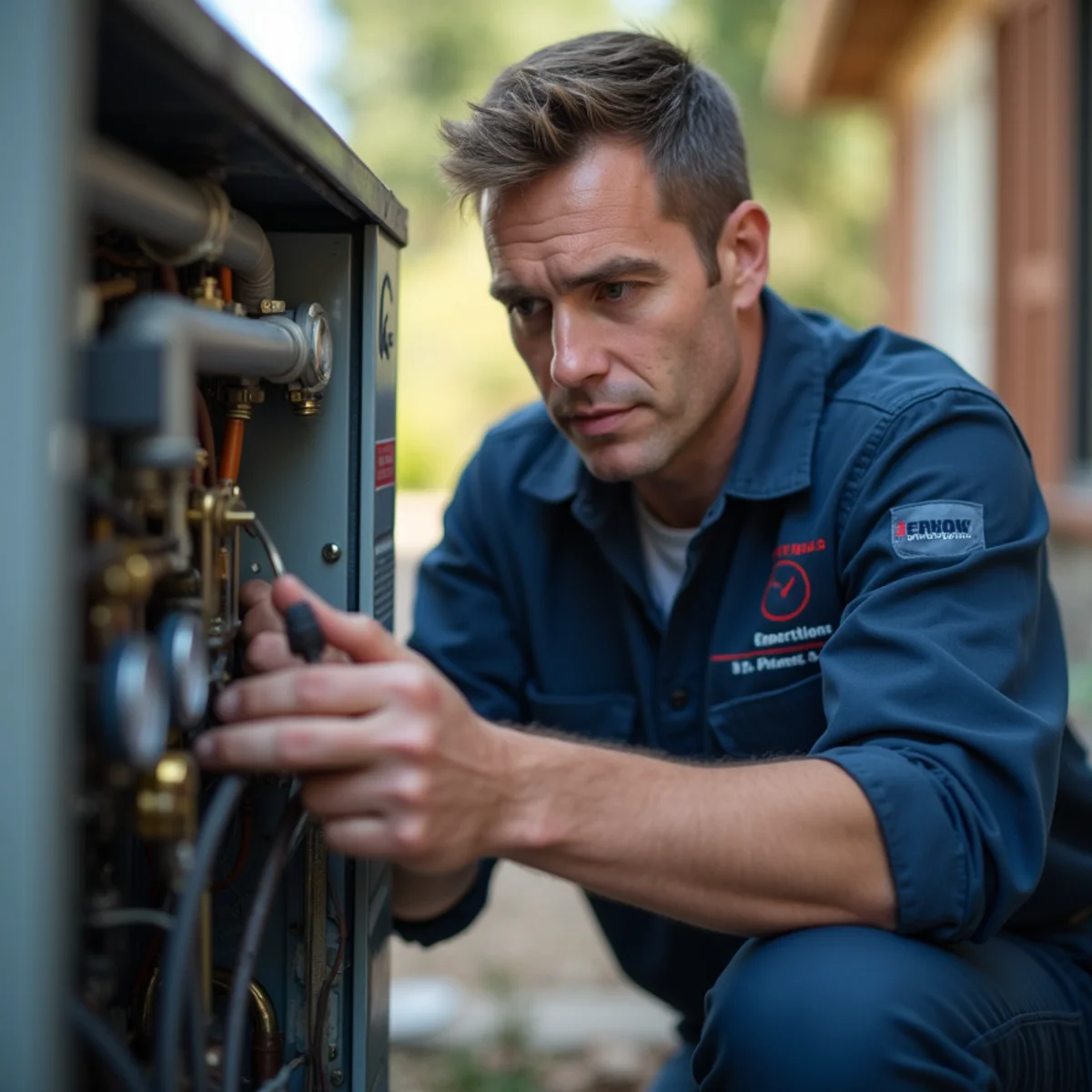
Most heat-wave failures trace to a handful of parts that give out under peak load: a blown run capacitor, a failed condenser fan motor, a tripped contactor, a low refrigerant charge from a leak, or a frozen coil from restricted airflow. Because these are exactly the parts we stock, we fix most emergency AC calls on the first visit.
Stabilize Now, Solve It Right
Our goal is to get safe cooling restored today. If the real fix is larger — a failing compressor on an aging system, say — we'll get you cooling if we safely can, then lay out your repair-versus-replacement options in writing when the crisis has passed, without pressure. For a system that runs but blows warm, see AC not cooling.
What's Included When We Make an Emergency AC Repair in Auburn
During a heat wave, the goal is simple: restore safe cooling today and verify it actually holds. When it's 100°F outside and the house is climbing, a fast fix that stays fixed is the whole job. A priority no-cooling visit is built to do exactly that, without cutting the corners that send us back next week:
- Priority dispatch that puts no-cooling calls with vulnerable occupants at the front of the line
- A truck stocked with the run capacitors, contactors, fan motors, and controls that give out under peak summer load
- An electrical safety check of the disconnect, whip, and breaker before we power the system back up
- A measured temperature split at the vents to confirm the repair genuinely restored cooling, not just noise from the outdoor unit
- Amp-draw and refrigerant-charge verification so we don't hand back a system that's about to quit again on the next hot afternoon
- A proper thaw-and-inspect step when a frozen coil is involved, instead of forcing a still-iced system and risking the compressor
- Cooling restored and verified before we leave — or a clear reason and same-day plan if the system can't be run safely
- Written repair-versus-replacement options after the crisis has passed, never a sales pitch while you're overheated
Watch for heat illness while you wait
In a house climbing past the mid-80s, watch infants, older adults, and anyone with a health condition for heavy sweating that suddenly stops, confusion, dizziness, or a racing pulse. Those are signs of heat illness — move them to the coolest room, give water, and call 911 if symptoms are serious. A medical emergency can't wait on a service call.
What Affects the Cost of Emergency AC Repair in Auburn
No-cooling repairs are diagnostic-based, so the price follows the failure, not a flat menu — and we won't quote a repair over the phone before we've measured what's actually wrong. The honest factors are:
- The failed part — a capacitor or contactor is minor; a condenser fan motor or compressor is a bigger job
- After-hours timing on a late-night or holiday heat-wave call
- Whether the failure is a refrigerant leak, which adds leak detection and repair to the visit
- A frozen coil that needs time to thaw before the real fault can be measured
- The age and refrigerant type — an old R-22 system makes some repairs costlier
- Access to a rooftop or a tight side-yard condenser
- The refrigerant type and the amount needed to recharge the system after the repair
We quote the diagnostic and after-hours rate before we roll and the repair in writing before we start. When an aging compressor makes replacement the smarter spend, directional Auburn-market central-AC ranges run $3,500–$8,500 (directional, not a quote) — and we only lay that out once you're cool and calm. Getting you comfortable comes first; the paperwork can wait for the shade.
Why Auburn Homeowners Choose The HVAC Auburn CA
A dead AC on a 100°F day isn't just a comfort inconvenience — for an infant, an older adult, or anyone with a health condition it's a genuine health issue, and it deserves a company that treats it like one:
- No-cooling calls treated as the emergency they are, with priority same-day and after-hours dispatch in Auburn and North Auburn
- Trucks stocked to fix most heat-wave failures on the very first visit
- Upfront, written pricing before any work — even in the middle of a 100-degree stretch
- Licensed CA CSLB C-20 contractor, bonded and insured, with EPA-certified refrigerant handling
- Locally owned — we get you cooling first and only then talk options, never a high-pressure replacement pitch while the house is hot
Emergency AC Repair Across Auburn & Placer County
When the heat spikes across the foothills and valley floor, we prioritize no-cooling calls throughout the area. That includes North Auburn, the attic-hot two-story homes of South Auburn, and the hotter valley communities of Loomis, Rocklin, and Roseville. Call early on extreme-heat days — demand runs high across Placer County, so the sooner you reach us, the sooner we can get to you. We'd rather you call at the first sign of warm air than tough it out until the house is dangerous.
Ready for Emergency AC in Auburn?
Same-day in Auburn · 24/7 emergency
Frequently Asked Questions
Yes — no-cooling calls get priority same-day dispatch, and we run 24/7 during heat waves. Call +1 (327) 210-5999 as early as you can; on extreme-heat days demand is high across Placer County, so the earlier you call, the sooner we can reach you.
Move everyone to the coolest room, close blinds on the sunny side, run fans, and stay hydrated. Check the thermostat and filter, but if you smell burning or see arcing, shut the system off at the breaker. Watch infants, elderly household members, and pets closely for heat stress.
Heat waves are when marginal parts finally give out — the system runs for hours at peak load, and a weak capacitor, low charge, or restricted airflow can't keep up. That's why a spring tune-up matters: it catches those weak parts before the first 100°F day.
No. Our first job is to restore safe cooling. If your system is failing beyond a sensible repair, we'll tell you, get you cooling if we safely can, and provide written replacement options after the emergency — never a high-pressure pitch while you're overheated and stressed.
There's no single magic number, but risk climbs fast once indoor temperatures pass the mid-80s — and faster for infants, older adults, pregnant women, and anyone with heart or respiratory conditions. On Auburn's 100-degree-plus afternoons, an un-cooled house can reach the 90s indoors within a few hours, especially upstairs where attic heat collects. Treat rising indoor heat with vulnerable people at home as urgent, not something to wait out.
Often, yes. If the failed component is a special-order part, we'll do what we safely can to restore cooling temporarily and schedule the permanent repair in daylight. If the system genuinely can't be run safely, we won't force it — but we'll help you set up a cool room, prioritize any vulnerable occupants, and get you onto the next-day schedule immediately rather than leaving you guessing.