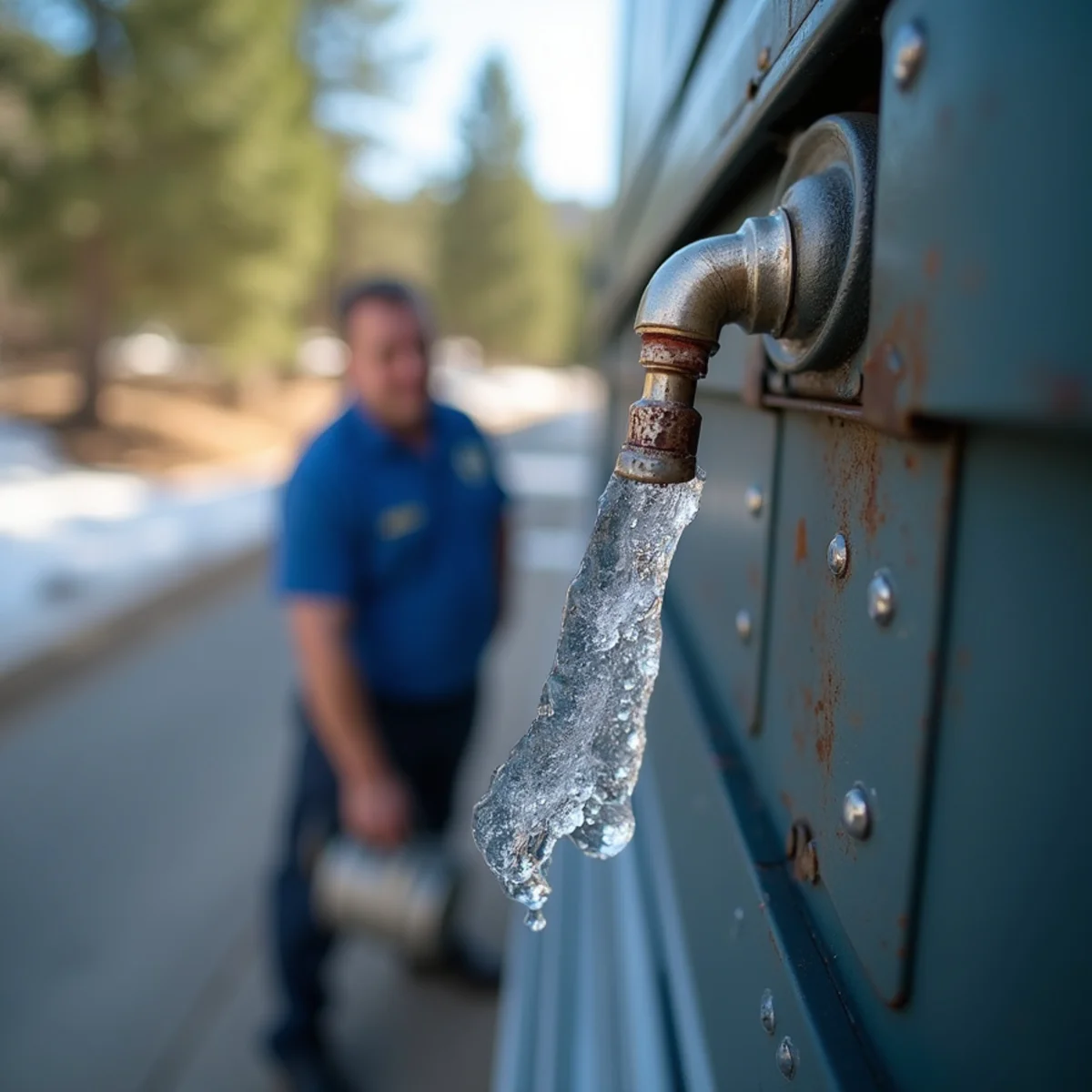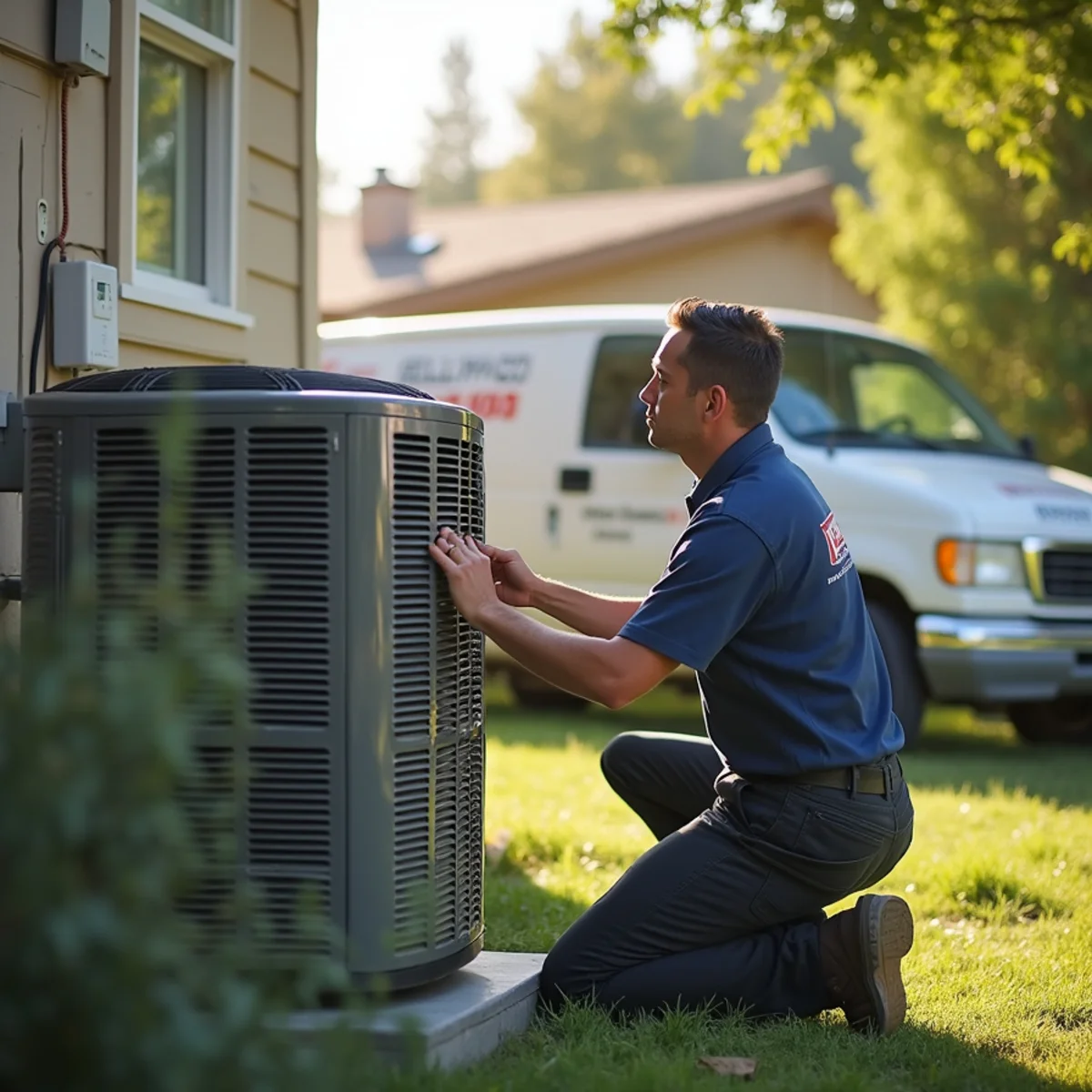

If your AC is low on refrigerant, it has a leak — the refrigerant is not consumed in normal operation. A shop that just tops it off is selling you a repair that fails again next month. We find the leak, fix it, and then recharge the system to the manufacturer's specification.
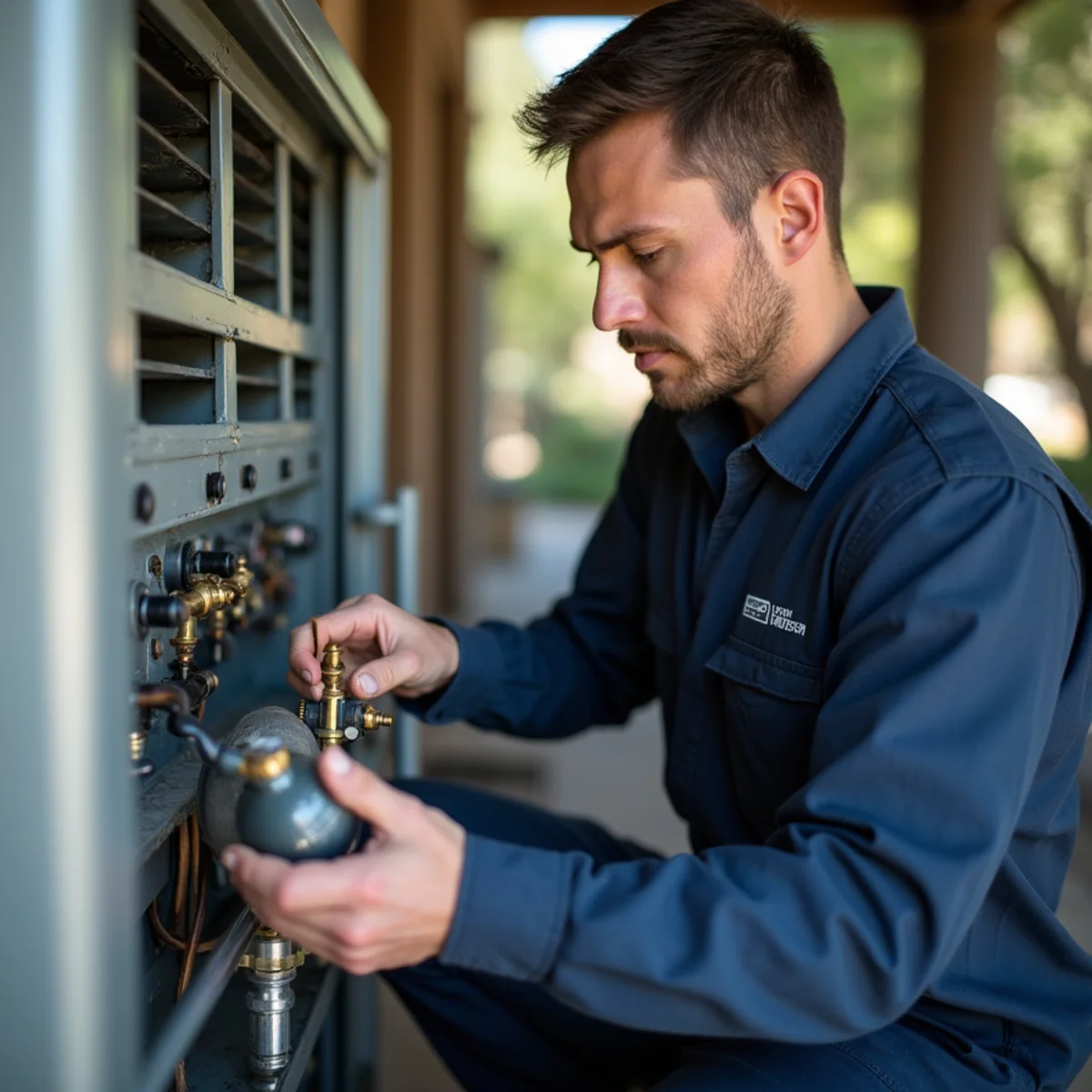
Signs of a Refrigerant Leak
- Warm air from the vents even though the system runs constantly
- Ice or frost on the refrigerant lines or the indoor coil
- A hissing or bubbling sound near the lines or coil
- Rising energy bills as the system struggles to cool
- The AC that was 'recharged' last summer is low again
Why 'just recharge it' isn't a fix
Adding refrigerant to a leaking system is temporary, gets more expensive each time, and venting refrigerant is regulated by the EPA. Finding and sealing the leak is the only repair that lasts — and it protects the compressor from running low and burning out.
How We Find and Fix Leaks
Leaks hide in coils, fittings, valve cores, and line sets. We use electronic detectors, and when needed nitrogen pressure testing or dye, to locate the exact source, then repair or replace the leaking component and pull a proper vacuum before recharging to spec. We verify the repair holds rather than sending you off with a system that's already losing charge.
Older R-22 Systems and the Replace Question
If your system uses R-22 (phased out and expensive), a major leak often tips the math toward replacement with a modern system on today's low-GWP refrigerant. We'll show you the honest comparison — sometimes the leak repair is worth it, and sometimes the money is better spent on a new, efficient system. Our refrigerant leak warning signs guide covers what to watch for during 100°F weeks.
What's Included When We Repair a Refrigerant Leak in Auburn
A leak repair is only real if we find the source, seal it, and prove the system holds before recharging — the recharge is the last step, not the first. That's the difference between a lasting fix and a top-off that fails again by August, sending you a bill for refrigerant you'll only lose. Every leak job includes:
- A measured charge check to confirm the system is genuinely low before we do anything else
- Electronic leak detection across the coils, fittings, valve cores, and line set
- Nitrogen pressure testing or UV dye when a leak is small, slow, or intermittent
- Repair or replacement of the leaking component — a coil, fitting, valve core, or line set
- A deep vacuum pulled to remove moisture and non-condensables that would otherwise damage the system
- Recharge by weight to the manufacturer's nameplate specification, not by feel or by guesswork
- A hold test to verify the repair actually stopped the leak before we call the job done
- Clear documentation of the leak location and the repair for your records and any warranty claim
Catch a leak before it kills the compressor
Running an AC that's low on refrigerant makes the compressor work harder and hotter — and the compressor is the single most expensive part of the system. A modest leak caught early is a straightforward repair; the same leak ignored through a hot Auburn summer can turn into a full compressor or system replacement — fixing the leak early is almost always the cheaper path.
What Affects the Cost of Refrigerant Leak Repair in Auburn
Leak repair is diagnostic-based, because the cost depends entirely on where the leak is and what it takes to seal it — a leaking valve core and a leaking evaporator coil are very different jobs. The honest factors are:
- Where the leak is — an accessible fitting or valve core versus a leaking evaporator or condenser coil
- Whether the leaking component can be repaired or has to be replaced
- The amount and type of refrigerant needed to recharge the system to spec
- Refrigerant availability — R-22 is phased out and expensive compared to modern refrigerants
- Access to the coils and line set, and the overall age of the system
- Whether running low already damaged the compressor before we got there
- Any nitrogen-pressure or UV-dye testing time needed to pin down a slow or intermittent leak
We quote the diagnostic and leak-search fee up front and the repair in writing before we proceed. On an old R-22 system, a major leak often makes replacement the better spend — directional Auburn-market central-AC ranges run $3,500–$8,500 (directional, not a quote) — and we'll show you both paths honestly rather than steering you. For a small, accessible leak on an otherwise healthy modern system, the repair is usually the clear winner.
Why Auburn Homeowners Choose The HVAC Auburn CA
Plenty of companies will happily sell you refrigerant again and again, one summer at a time. We'd rather find the leak, fix it once, and be straight with you about the numbers — including telling you when an old system isn't worth chasing:
- We find and fix the leak — never a repeat top-off that vents refrigerant and returns next month
- Upfront, written pricing on both the leak search and the repair, so you approve the number before we open the system
- Licensed CA CSLB C-20, bonded and insured, with EPA-compliant refrigerant handling
- Any replacement is sized with ACCA Manual J and installed to California 2025 Title 24 and the 700 GWP refrigerant rule
- A locally owned foothill team that gives you the honest repair-versus-replace math on an aging system
Refrigerant Leak Repair Across Auburn & Placer County
We track down and seal refrigerant leaks throughout Auburn and the foothill communities where older systems are common. That includes North Auburn, the acreage properties around Newcastle and Penryn, and the established neighborhoods of Loomis and Rocklin. Across Placer County, if your system was 'recharged' last summer and is already low again, that's a leak we can find and actually fix. If it's a newer system still under warranty, we document the repair so your manufacturer coverage stays intact. Either way, you get an honest answer on repair versus replacement, not a sales pitch.
Ready for Refrigerant Leaks in Auburn?
Same-day in Auburn · 24/7 emergency
Frequently Asked Questions
Because it has a leak. Refrigerant circulates in a sealed system and isn't consumed, so 'low' always means it's escaping somewhere — a coil, fitting, valve core, or line set. Repeated recharges without finding the leak just delay the real repair and cost more over time.
We can recharge, but only after finding and fixing the leak. Simply topping off a leaking system is a temporary patch that fails again, risks the compressor, and vents refrigerant in violation of EPA rules. We locate the leak, repair it, and then recharge to the manufacturer's specification.
We use electronic leak detectors and, when needed, nitrogen pressure testing or UV dye to pinpoint the source. Once found, we repair or replace the leaking component, pull a vacuum to remove moisture, recharge to spec, and verify the system holds pressure.
Sometimes. R-22 is phased out and expensive, so a significant leak on an old R-22 system often makes replacement with a modern low-GWP system the better value. For a small, accessible leak on an otherwise healthy system, repair can still make sense. We'll show you both numbers honestly.
In a normally ventilated home, a small refrigerant leak is generally a low health risk, but it isn't something to ignore. Refrigerant can displace oxygen in a small, enclosed space, and some newer refrigerants are mildly flammable, so you shouldn't run a known-leaking system or try to find the leak with an open flame. The bigger practical damage is usually to the AC itself — running low on charge can overheat and ruin the compressor. Ventilate the area and have it looked at.
Many leak repairs are done in a single visit — locating the leak, repairing or replacing the component, pulling a vacuum, and recharging to spec. A leaking evaporator or condenser coil that has to be replaced, or a special-order part, can stretch it to a second visit. We'll give you a clear timeline once we've actually found the source, rather than promising a turnaround before we know what's leaking.