It is 3 o'clock on a July afternoon, the thermometer on your porch reads 102, and the air coming out of your vents just went warm. Before you write off the rest of your day waiting on a service call, take a breath. A good share of the no-cooling calls we get in Auburn during a heat wave turn out to be something a homeowner can spot — and sometimes fix — in about ten minutes.
That is not us talking ourselves out of work. It is us wanting you to know where the easy wins are, so that when you do call, you are paying for real repair time and not for someone to flip a switch you could have flipped yourself. Below is the exact 7-point check we walk people through on the phone, followed by the hard safety lines where you stop troubleshooting and pick up the phone instead.
Stop here if you smell gas or see burning
If you smell gas or rotten eggs, notice a burning or electrical odor, see melted wiring, sparks, or arcing at the outdoor unit, or find water sitting around electrical parts, do not troubleshoot. Shut the system off at the breaker if you can reach it safely, get everyone out of the house if there is a gas smell, and call for help. None of the checks below are worth that risk.
First, Confirm It Is the AC and Not the Thermostat
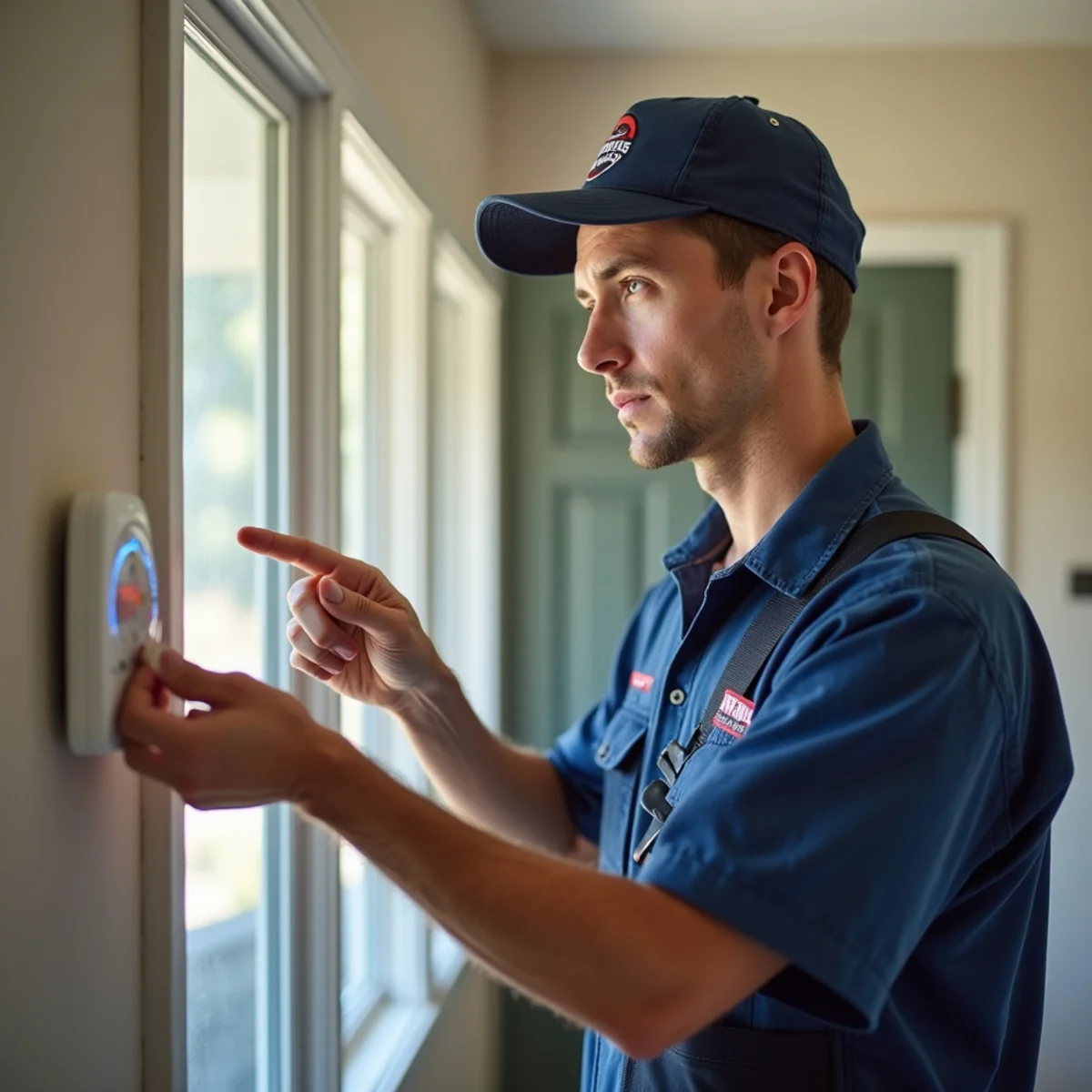
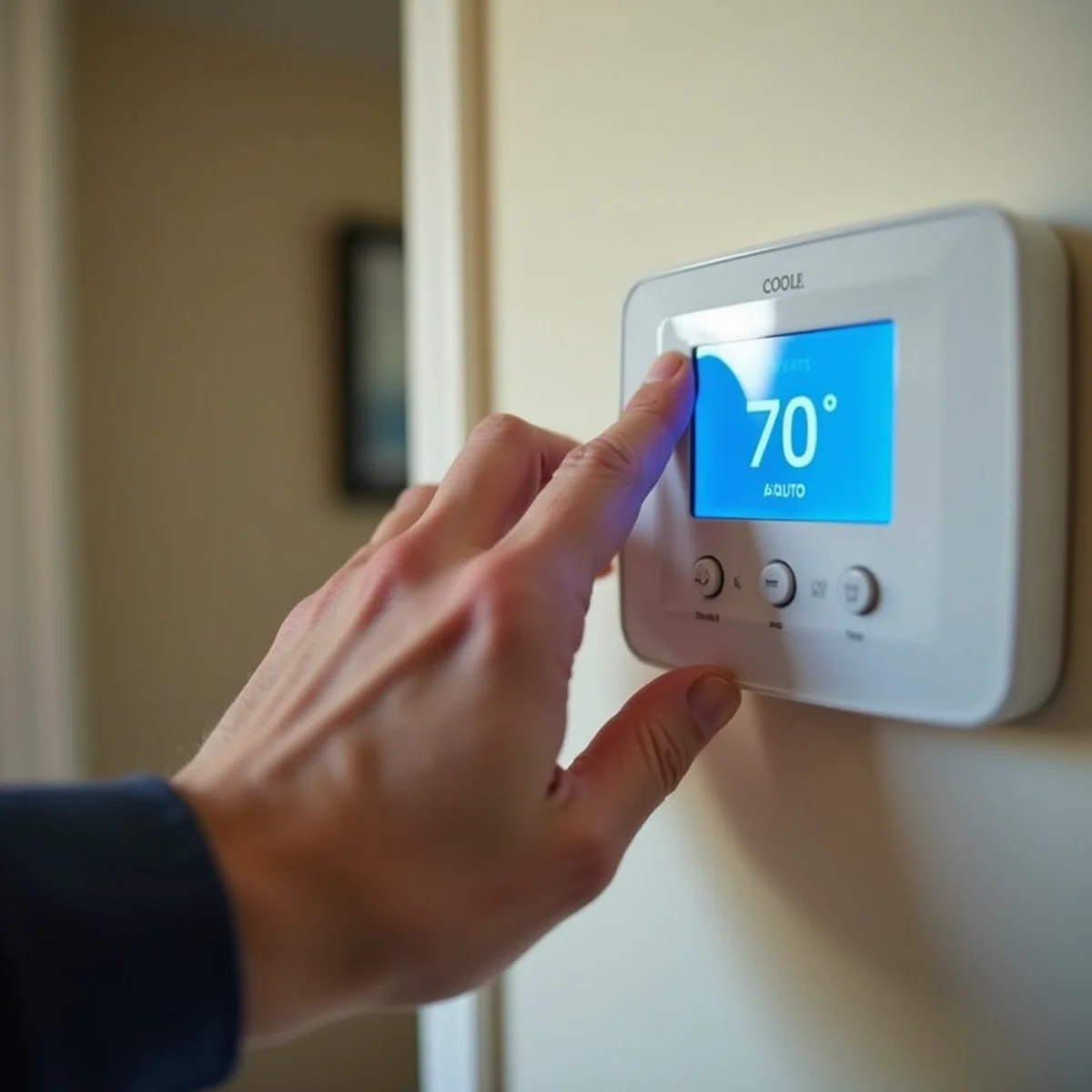
More no-cooling calls start at the wall than you would think. Walk to your thermostat before you walk outside. Make sure it is set to COOL, that the fan is on AUTO, and that the target temperature is set several degrees below whatever the room actually is. If the screen is blank, dim, or frozen, a set of dead batteries is a common and cheap culprit — a thermostat that has lost power simply stops calling for cooling. If a schedule quietly bumped the temperature up this afternoon, that alone can make it feel like the system quit.
The 7-Point Check Before You Call
Work through these in order. Most Auburn homeowners who fix their own AC do it somewhere on this list. This is the same ac troubleshooting sequence we run over the phone.
1. Thermostat settings and batteries
Set it to COOL, the fan to AUTO, and the target several degrees below room temperature, then put fresh batteries in the display. A dying thermostat can stop the whole system.
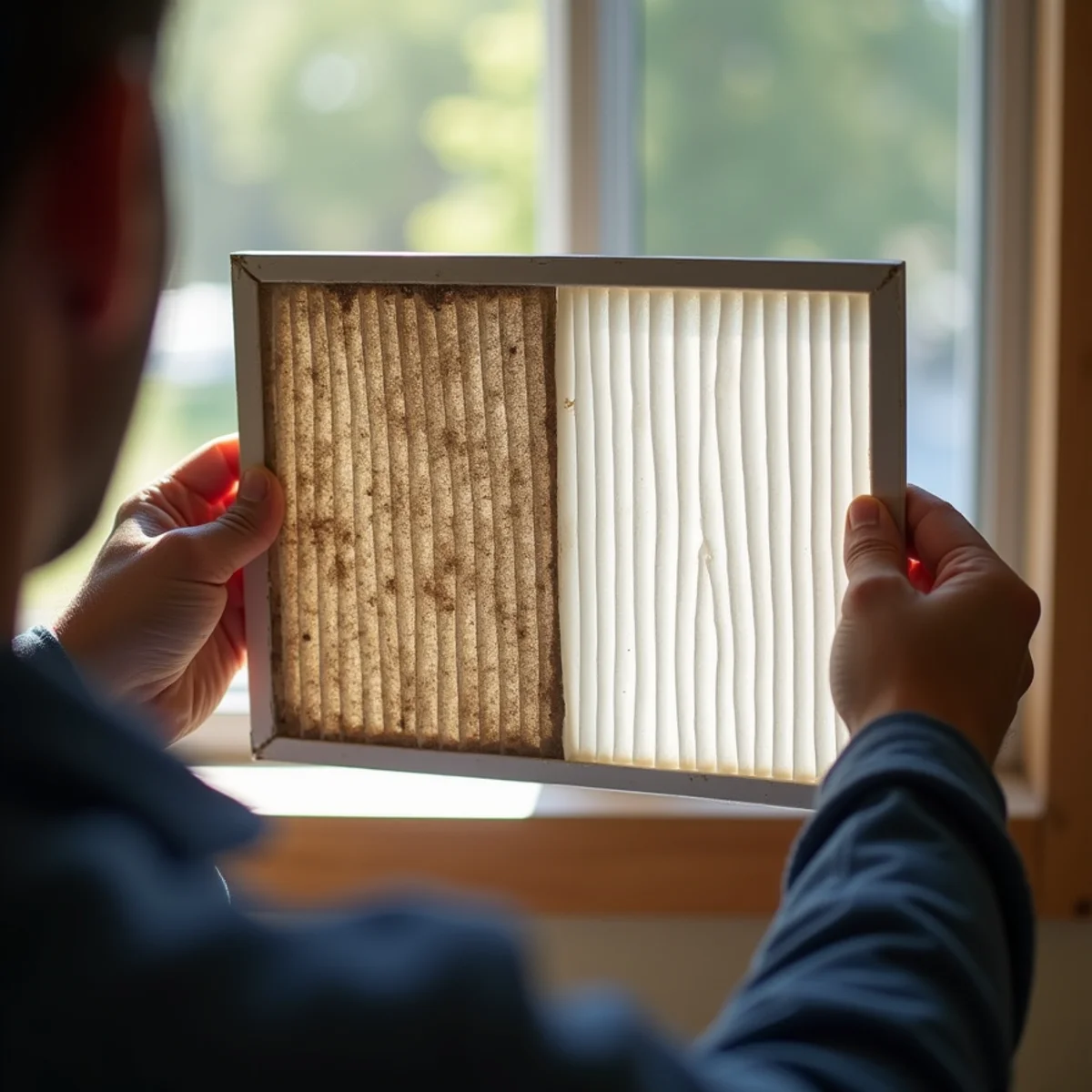
2. Air filter
Pull the filter and hold it to the light. A filter packed with foothill dust and wildfire-season ash chokes airflow, ices the coil, and shuts cooling down. If you cannot see light through it, replace it.
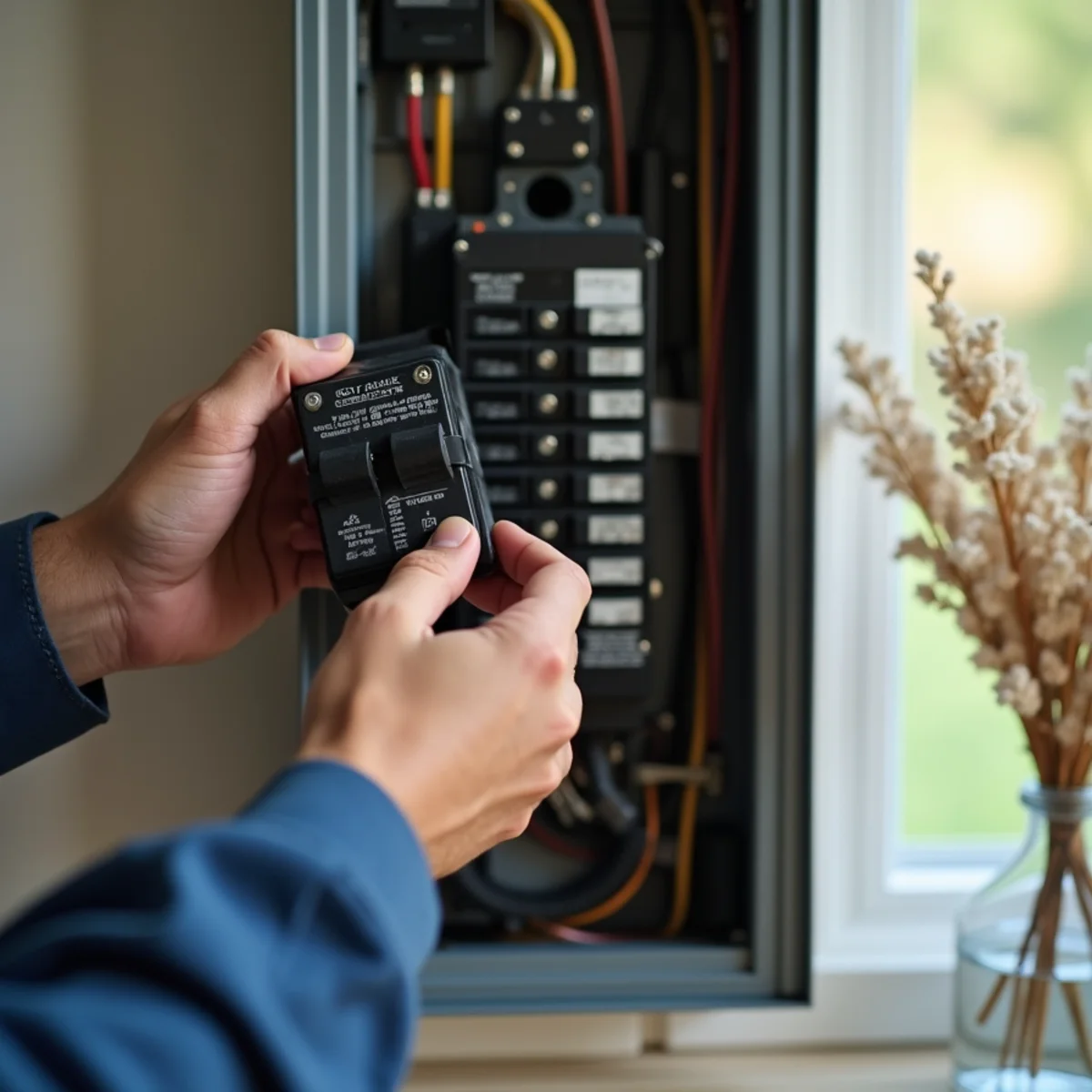
3. Tripped breaker
Check the electrical panel for a tripped breaker on the AC or air-handler circuit. Flip it fully OFF, then back ON, once. If it trips again immediately, stop — that is a fault, not a nuisance trip, and it needs a technician.
4. Condensate float switch
Many Auburn systems have a small safety switch on the drain line or in the emergency drain pan that cuts the AC when water backs up. A full pan or a tripped float will stop cooling by design.

5. Vents and returns
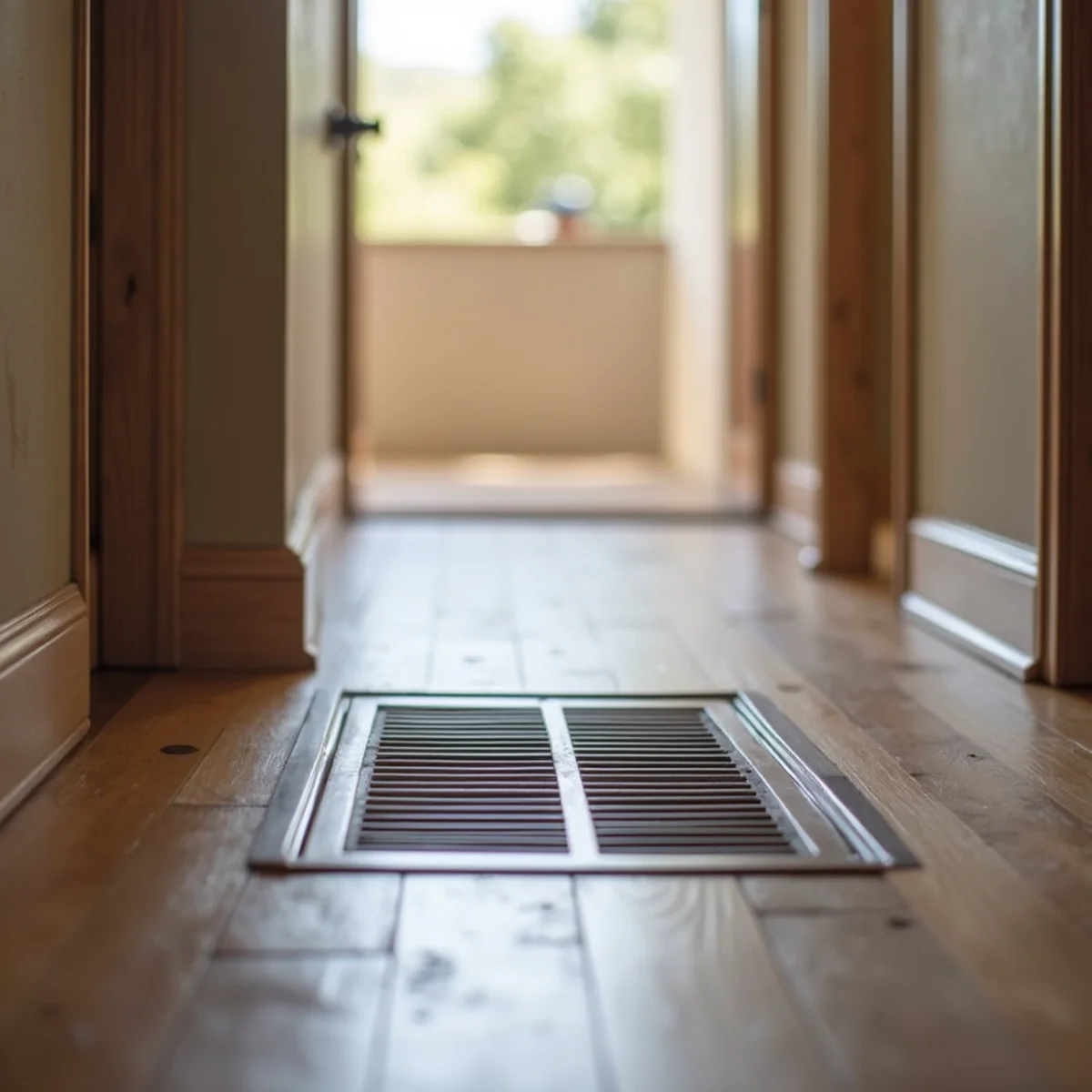
Walk the house and confirm supply registers are open and not blocked by furniture, rugs, or boxes, and that the return grille is clear. Closing off too many rooms starves the system and can freeze the coil.
6. Outdoor condenser
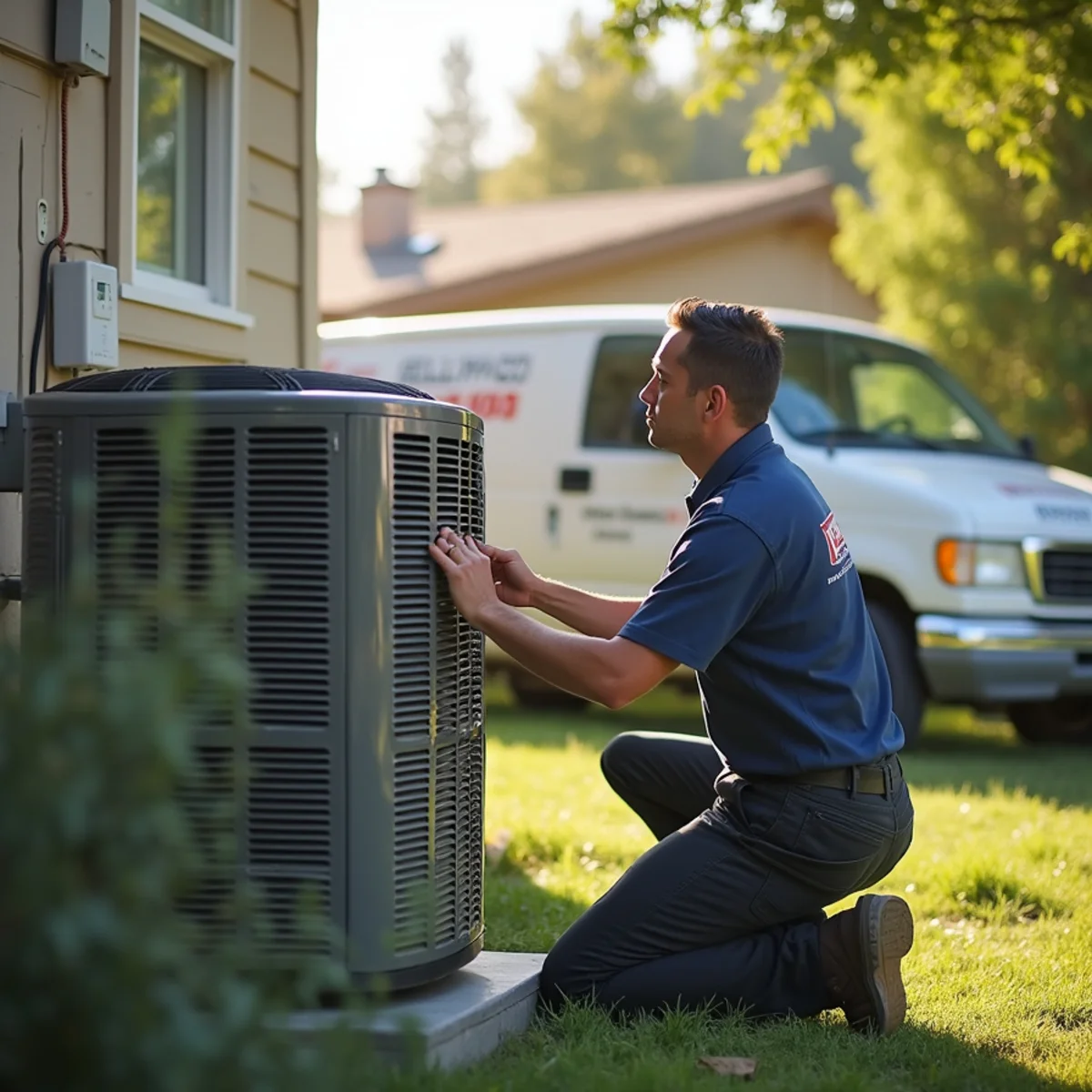
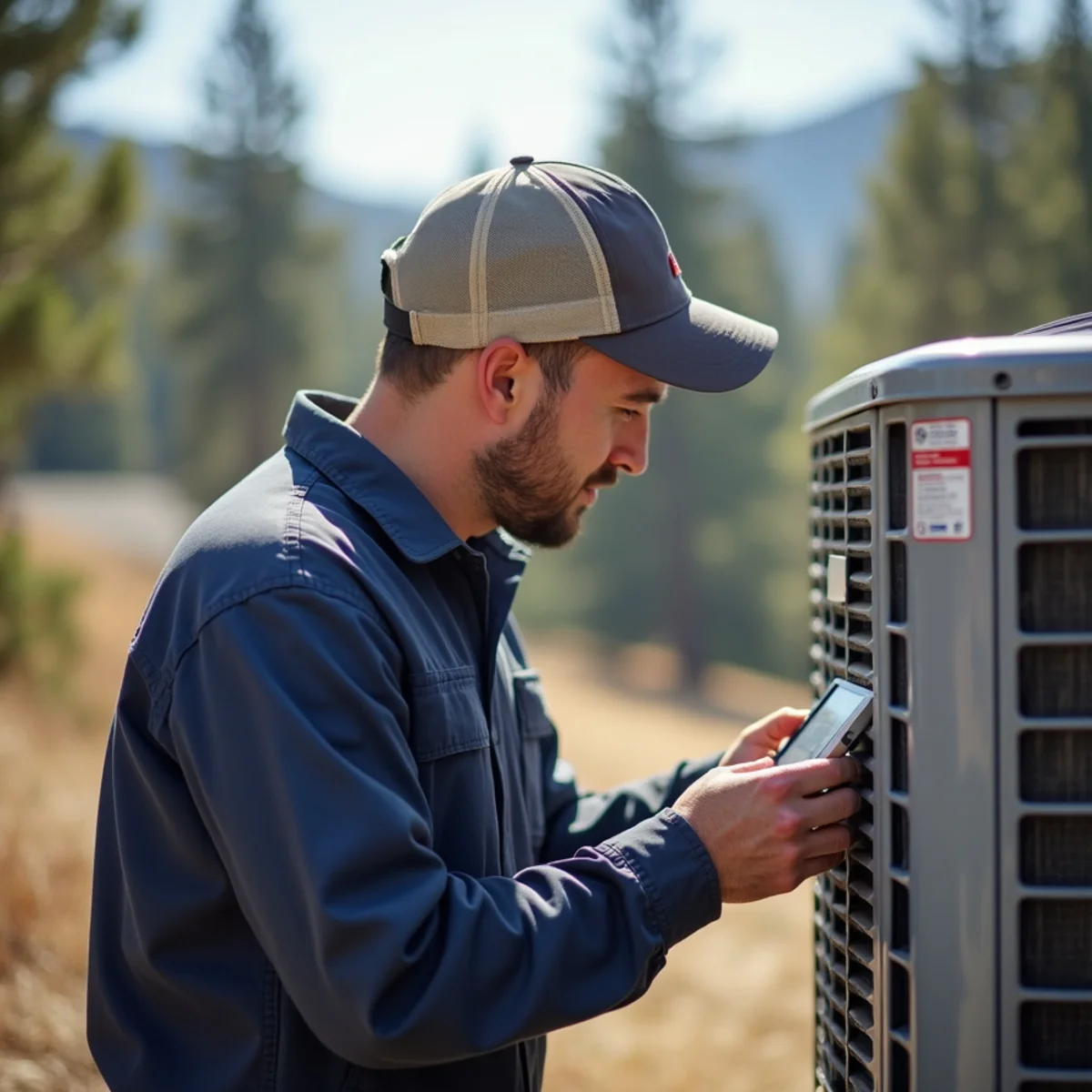
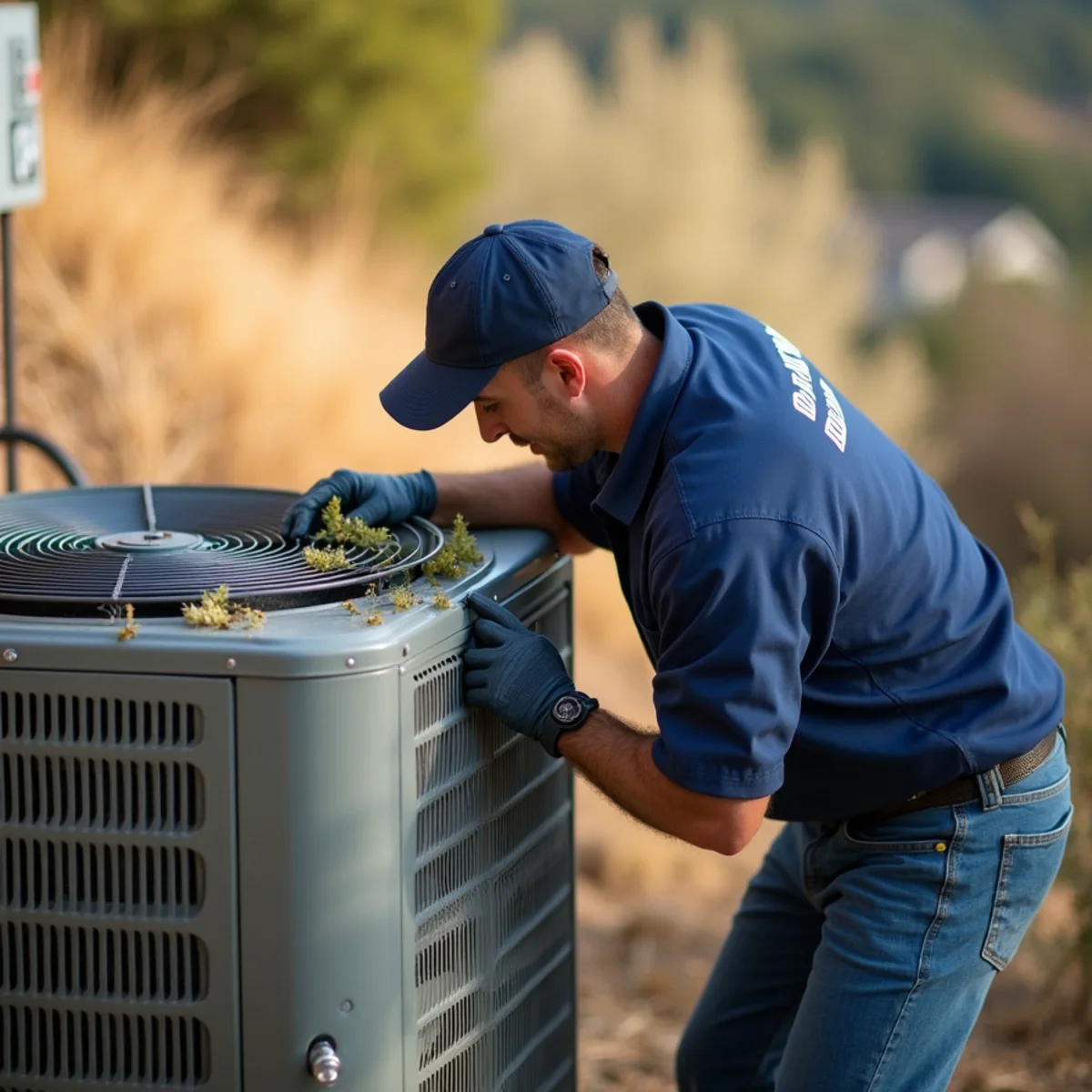
The unit outside needs to breathe. Clear grass clippings, cottonwood fluff, leaves, and weeds from the fins and keep at least two feet of clearance around it. A blanket of debris traps heat and kills capacity on the hottest days.
7. Condensate drain line
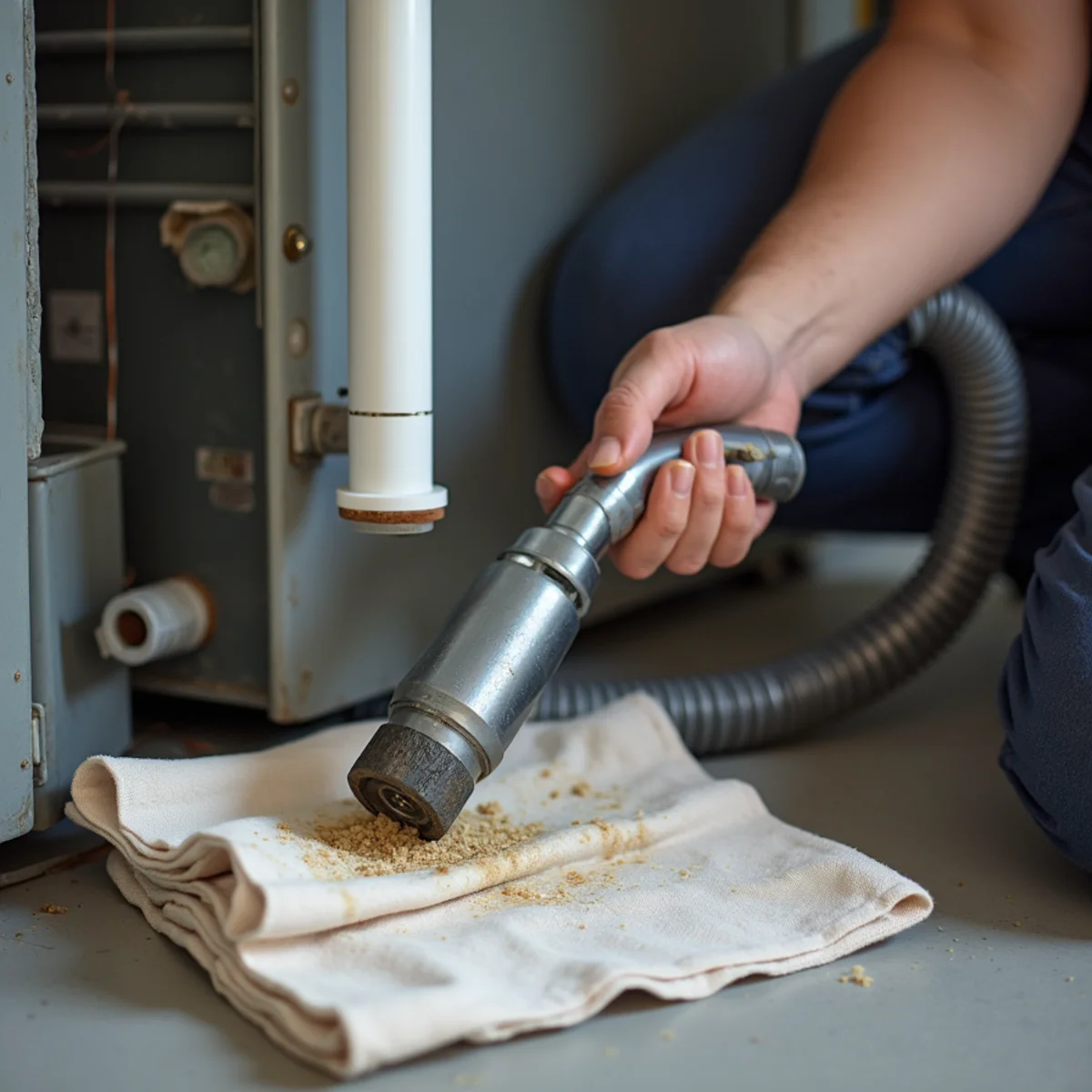
If you see water near the indoor unit or the system keeps shutting itself off, the drain line is probably clogged with algae. Clearing it is often what resets that float switch from step four.
If the Coil Is Iced Over, Do This
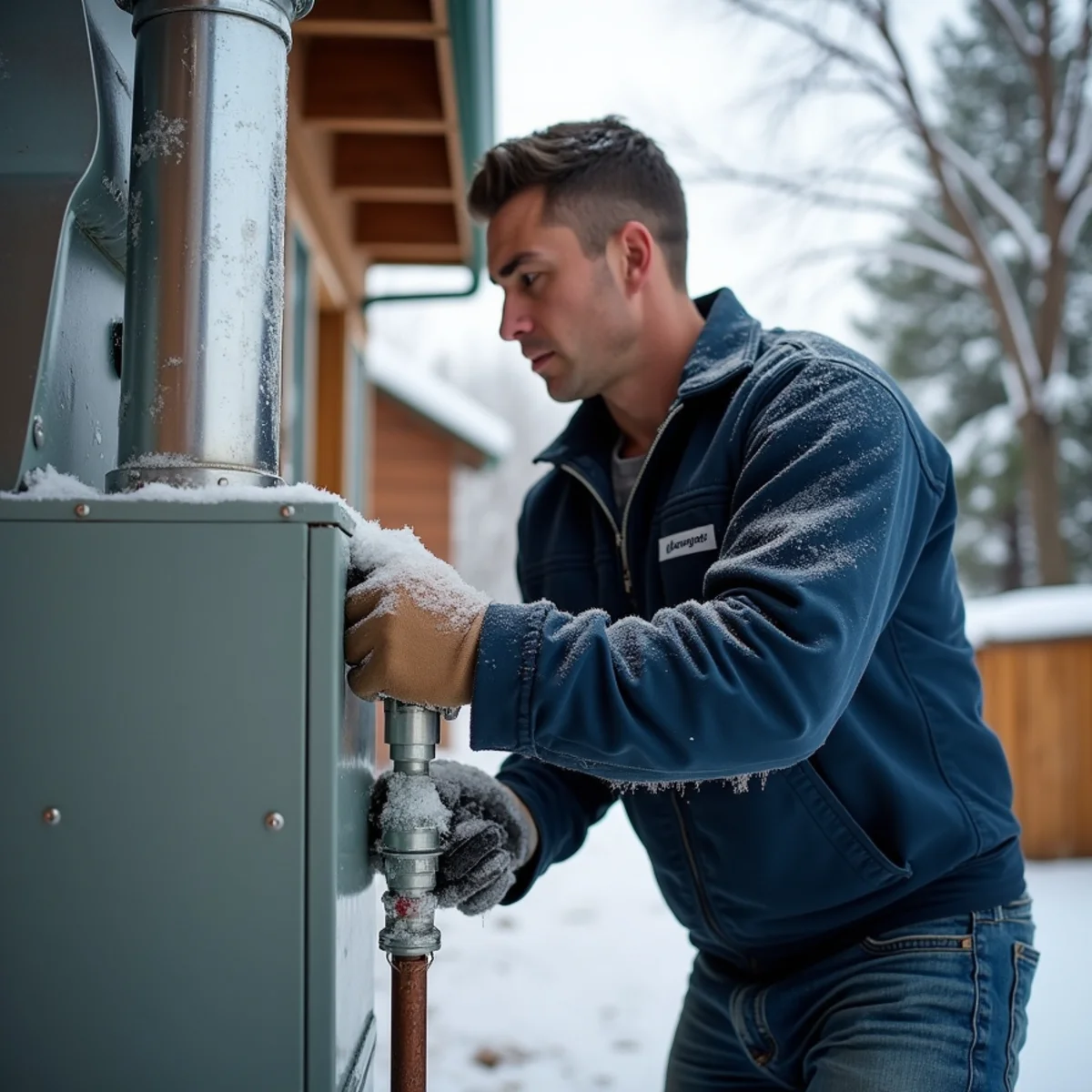
Find frost or a block of ice on the copper refrigerant line or the indoor coil? Turn the system to OFF but set the fan to ON to melt the ice, and give it an hour or two. Then fix the airflow problem behind it — usually a dirty filter or blocked vents. If the coil ices up again after you have cleared the airflow, the cause is often a low refrigerant charge from a leak, and that is no longer a DIY fix. Running an iced-up system can damage the compressor, which is the most expensive part in the box.
When the 7 Checks Don't Bring the Cold Back
If you have run the whole list and the vents are still warm, you are past the DIY stage. The usual real failures we find are a blown run capacitor (the outdoor unit hums but the fan will not spin), a bad contactor, a failed condenser fan motor, a low refrigerant charge from a leak, or a compressor problem. Every one of those needs a meter and gauges to diagnose safely. This is the point to book AC repair in Auburn or, if the house is dangerously warm, our same-day no-cooling service. Ask for the diagnostic fee in writing before anyone starts, and if you are in North Auburn we prioritize those calls for same-day dispatch.
Why Auburn Summers Break ACs at the Worst Time
Auburn averages about 63 days over 90°F, and foothill homes with hot attics run their systems for long stretches on the worst afternoons. That extended run time is exactly when a marginal capacitor, a low charge, or a restricted duct finally shows itself. A system that limped through June often quits in a July heat spike — when every HVAC company in Placer County is slammed. If your unit has been struggling to keep up all season, read why your AC runs all day, and if you are weighing a fix against a bigger bill, our AC repair cost guide lays out the numbers Auburn homeowners actually pay.
Talk to a local tech
Ran the checklist and still no cold air? Call +1 (327) 210-5999 for same-day service in Auburn and North Auburn, and 24/7 help during heat waves.
Frequently Asked Questions
The most common causes are a dirty filter or blocked airflow that froze the coil, a blown capacitor, or a low refrigerant charge from a leak. Check the filter, vents, and outdoor unit first. If the air is still warm after that, it needs a technician with gauges to test the refrigerant charge and electrical parts under load.
Yes. If you see ice on the lines or coil, turn the system to off and set the fan to on to thaw it, which protects the compressor. And if you smell burning, see arcing, or find water near electrical parts, shut it off at the breaker and call for help instead of restarting it.
During a foothill heat wave, call early in the day. Interior temperatures in an Auburn home climb fast, schedules fill quickly, and heat is a real health risk for infants, older adults, and pets. If vulnerable people are home and the house is getting hot, treat it as a same-day priority.