Your air conditioner kicked on after breakfast and it is still running at dinner. On a 104°F Auburn afternoon, that by itself is not a problem. A properly sized system is supposed to run long and hard when it is that hot outside. The trouble starts when the unit never cycles off and still cannot pull the house below 80, or when your PG&E bill jumps while your comfort drops.
Long run times cost money and pile hours on a compressor that would rather rest between cycles. Left alone, the same weakness that keeps a system running all day in July is usually what leaves you with warm air in the next heat wave, right when every HVAC company in Placer County is booked solid.
Here is how a foothill tech tells the difference between an air conditioner that is simply working hard and one that is quietly failing, plus what you can check before you call.
When Running Constantly Is Actually Normal
Air conditioners are sized for a design temperature, not the hottest hour of the worst day. In the Auburn area that design point sits in the mid-90s, so when the thermometer hits 100 to 106, a correctly sized unit can run almost without stopping and still hold the house only about 20 degrees cooler than outside. That is physics, not a malfunction. Auburn logs roughly 63 days over 90°F a year, and on the worst of them your AC earning its keep is expected.
A quick gut check: feel the air at a supply vent and at the return grille. A healthy system pulls a 16 to 22 degree split between the two. If you are getting that split and the house is holding a reasonable temperature, constant running during a heat spike is normal behavior, not a breakdown.
The Attic Heat Load Foothill Homes Fight Every Afternoon
Most Auburn homes route their ductwork, and sometimes the air handler, through the attic, and a foothill attic can hit 130 to 150°F by mid-afternoon. Every foot of duct baking up there gives back cooling before it reaches your rooms, so the system runs longer to make up the loss. Thin or displaced insulation, dark roofing, and big west-facing windows all add to the load. In neighborhoods like Vintage Oaks, where homes catch full afternoon sun, that stacked heat load is often the single biggest reason a healthy AC runs from noon to sundown.
Signs the Constant Running Is a Real Fault
Running long is normal. Running forever without holding temperature is not. Call for a diagnosis when you see any of these:
- The house cannot get below 78 to 80 even after the sun goes down
- The vent-to-return temperature split is under about 15 degrees
- Ice on the copper refrigerant line or the indoor coil
- The outdoor unit runs but the air from the vents feels only mildly cool
- Some rooms stay comfortable while others bake no matter what you set
- Your PG&E bill climbed sharply with no change in weather or habits
Low Charge, Dirty Coils, and Leaky Ducts
When a well-sized system suddenly cannot keep up, three faults account for most of it. A low refrigerant charge from a slow leak drops cooling capacity, so the unit runs constantly and may frost the line set. Topping it off without finding the leak just delays the next failure, which is why we push for proper refrigerant leak diagnosis instead. A dirty condenser coil on the outdoor unit traps the heat the system is trying to reject, and a summer of foothill dust and cottonwood fluff will choke it. Leaky or undersized ducts dump expensive cold air into the attic before it ever reaches you.
A clogged filter or a fouled indoor coil belongs on the same list. Restrict the airflow enough and the system runs and runs while the coil slowly ices over, which cuts airflow further and makes the problem worse. If your airflow feels weak everywhere, our guide to weak airflow in older Auburn homes walks through the causes room by room.
Could Your System Simply Be the Wrong Size?
An oversized AC is the sneaky opposite problem. It cools the air fast, satisfies the thermostat, and shuts off before it removes humidity or reaches the far rooms, so it short cycles instead of running long. An undersized unit, or the right unit strangled by bad ducts, runs nonstop and never catches up. Both trace back to sizing by rule of thumb instead of an ACCA Manual J load calculation. If your AC has never kept the house comfortable since the day it went in, replacing it with the same tonnage will not fix anything, because the load calc has to come first, especially after a remodel, window swap, or addition changed the load.
What to Check Before You Call
- 1Pull the filter and hold it to the light. If you cannot see through it, replace it and give the system an hour.
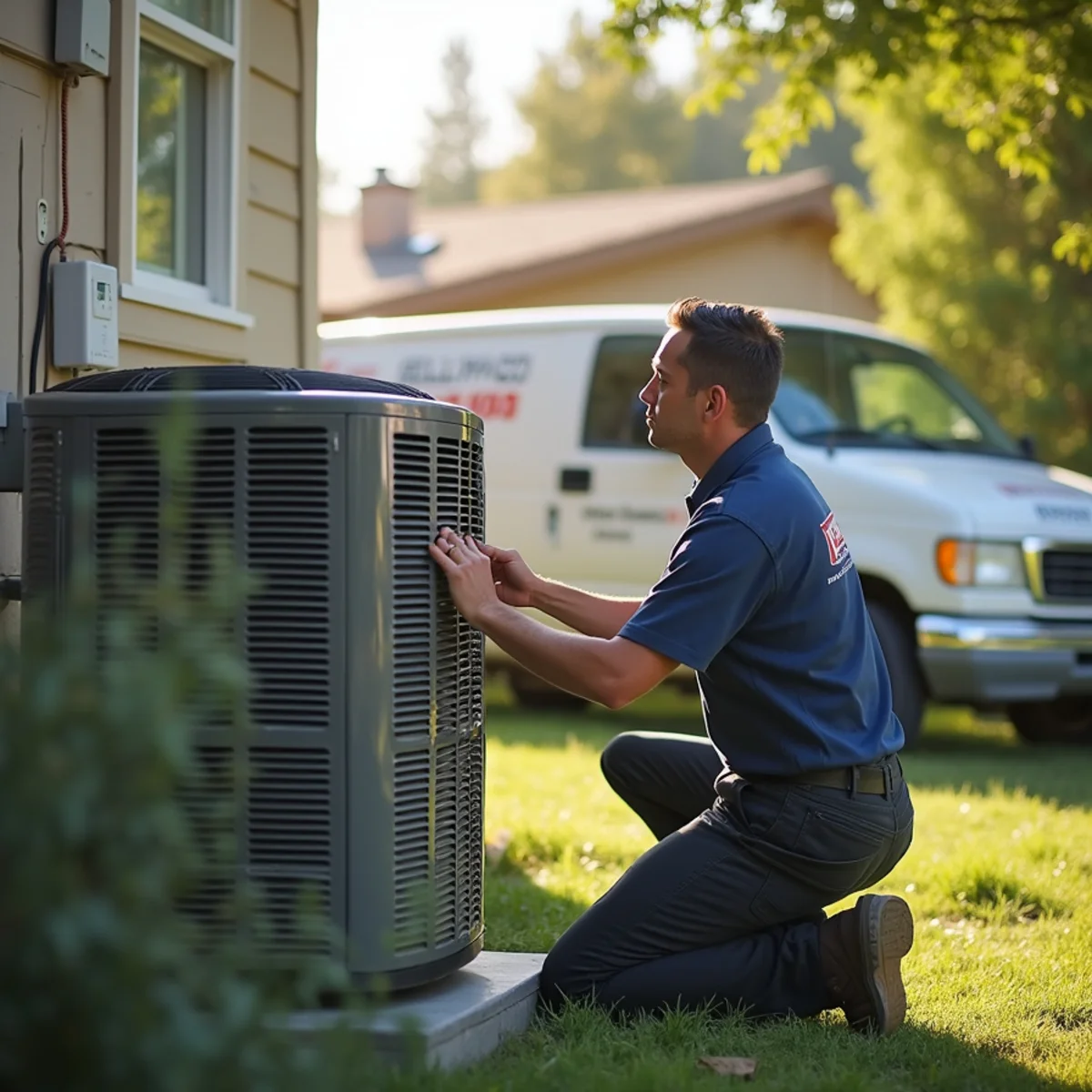
- 2Clear grass, leaves, and cottonwood fluff off the outdoor condenser fins and keep two feet clear around it.
- 3Confirm every supply register is open and no rugs or furniture are smothering the returns.
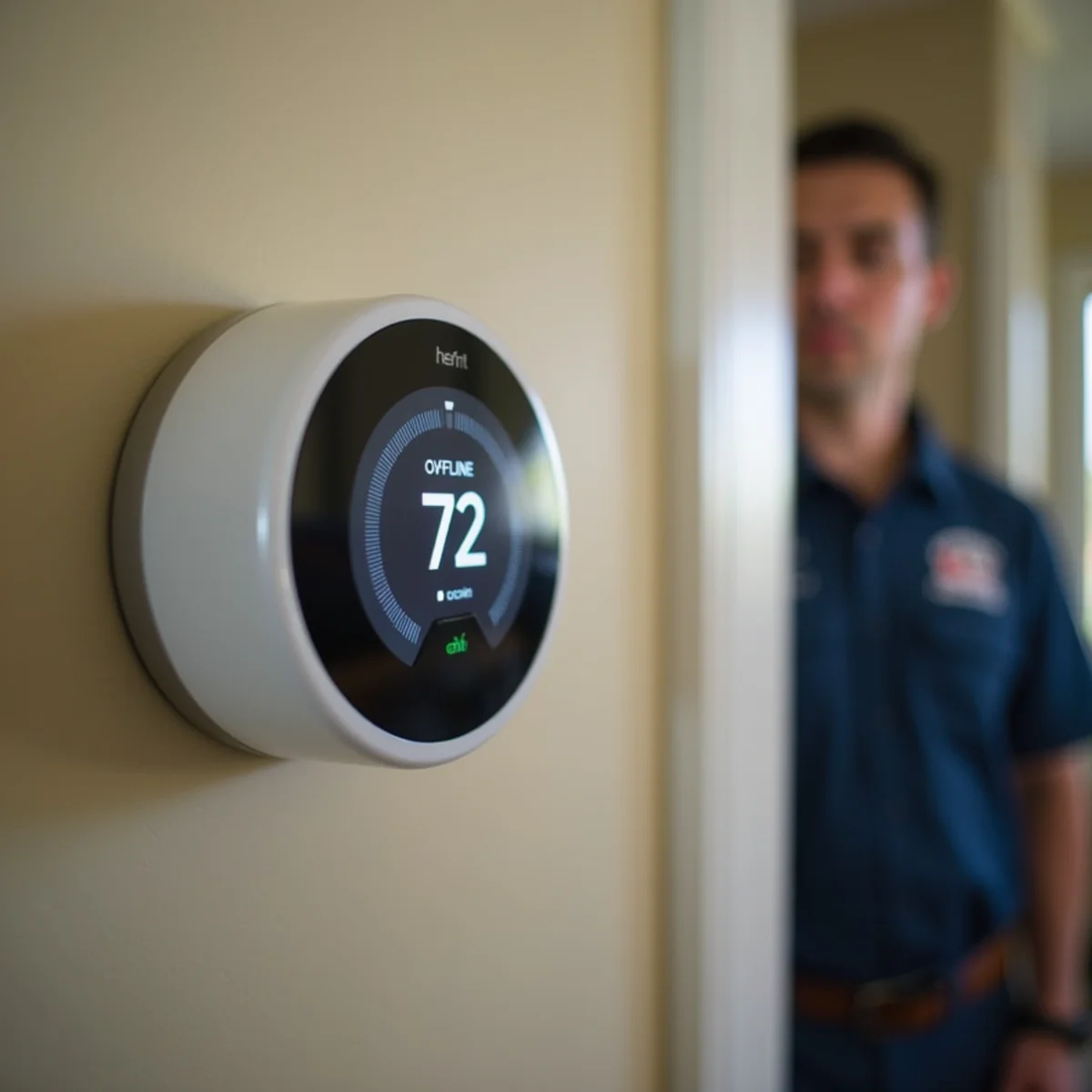
- 4Set the thermostat fan to AUTO, not ON, so it is not just pushing warm attic-tinged air between cooling calls.
- 5Feel the vents and the return. If the cool air is weak or the split is small, note it and book a diagnosis.
Talk to a local tech
If your AC runs all day and still cannot keep up, do not wait for it to quit in the next heat wave. Call +1 (327) 210-5999 for same-day AC repair in Auburn and North Auburn, with 24/7 emergency help when the cooling gives out. If it has already stopped, start with our guide on what to do when your AC stops working.
Frequently Asked Questions
Not necessarily. On 100°F-plus Auburn afternoons a correctly sized air conditioner is designed to run almost continuously and still only hold the house about 20 degrees cooler than outside. It becomes a problem when the system runs nonstop and cannot keep the house below the upper 70s, when airflow is weak, or when your energy bill spikes. Those point to a fault worth diagnosing.
The most common causes are a low refrigerant charge from a leak, a dirty condenser or evaporator coil, a clogged filter, or leaky ducts losing cold air into a hot attic. An undersized or wrongly sized system will also run without catching up. A technician can measure the temperature split and refrigerant charge to find which one it is.
Usually it does the opposite. Closing too many registers raises pressure in the ducts, which can reduce total airflow, ice the coil, and make run times worse. If certain rooms are always hot or cold, zoning or duct balancing is the right fix rather than closing vents.