The first real cold snap in the foothills has a way of arriving overnight. You flip the thermostat to heat for the first time since spring, wait for warm air, and get a cold draft and a burnt-dust smell instead. A furnace that ran fine back in March can spend the summer quietly developing a problem you won't see until you need it.
A dead hot-surface igniter, a dirty flame sensor, or — the one that matters most — a cracked heat exchanger doesn't announce itself. It waits for the coldest night to leave you with no heat, or worse, to let combustion gases where they don't belong. None of that is a good discovery at 11 p.m. in a house full of sleeping kids.
This checklist gets your furnace ready before the freeze. The first half you can knock out over a weekend; the second half is what a licensed tech should verify before you rely on the system all winter.
Why Fall Furnace Maintenance Matters in the Foothills
Auburn's winters are wet and cold rather than brutal — NOAA January normals sit around a 56°F high and a 38°F low. But foothill weather doesn't read averages. The December 2013 cold snap dropped Auburn to roughly 5°F, and the higher towns are a different climate entirely: Colfax at about 2,400 feet, Alta near 3,700, and the cabins above them are heating-dominant and freeze earlier and harder. Wherever you sit, the furnace is going to work, and fall is the season to make sure it's ready before the first hard freeze — not after it fails.
The DIY Fall Furnace Checklist
These steps are safe for a homeowner and take an hour or two. Do them on a mild day so you're not troubleshooting in the cold:
Before the first freeze
- 1Replace the furnace filter. A restricted filter overheats the furnace and can trip its high-limit switch, which mimics a bigger failure. Start the season fresh.
- 2Do a test-run now, not in November. Set the thermostat to heat and let the furnace run a full cycle. Expect a brief burning-dust smell the first time — that's summer dust burning off the heat exchanger and it should clear within a few minutes.
- 3Test every smoke and carbon monoxide detector, and replace the batteries. If you don't have a CO detector near the sleeping areas, install one before you run gas heat.
- 4Walk the house and open blocked registers. Move furniture, rugs, and boxes off supply and return vents so the system can move air; a covered return starves the furnace.
- 5Clear the furnace closet. Keep stored boxes, paint, and cleaning chemicals well away from the burner — the area around the unit needs to stay clear for combustion air and safety.
- 6Check the flue and vent outside. Look for wasp nests, bird nests, or debris at the vent termination, which can block exhaust.
- 7Listen on start-up. Banging, screeching, or repeated clicking without ignition are all reasons to call before you depend on the system.
Carbon monoxide is the reason this list exists
If a CO detector alarms, you smell gas, or you feel headachy and drowsy when the heat runs, leave the house and call for help from outside. A burning smell that lasts more than a few minutes, or a smoky or electrical odor, is not normal — shut the furnace off at the thermostat and have it checked.
What the Pro Handles: Heat Exchanger, Igniter, Flame Sensor
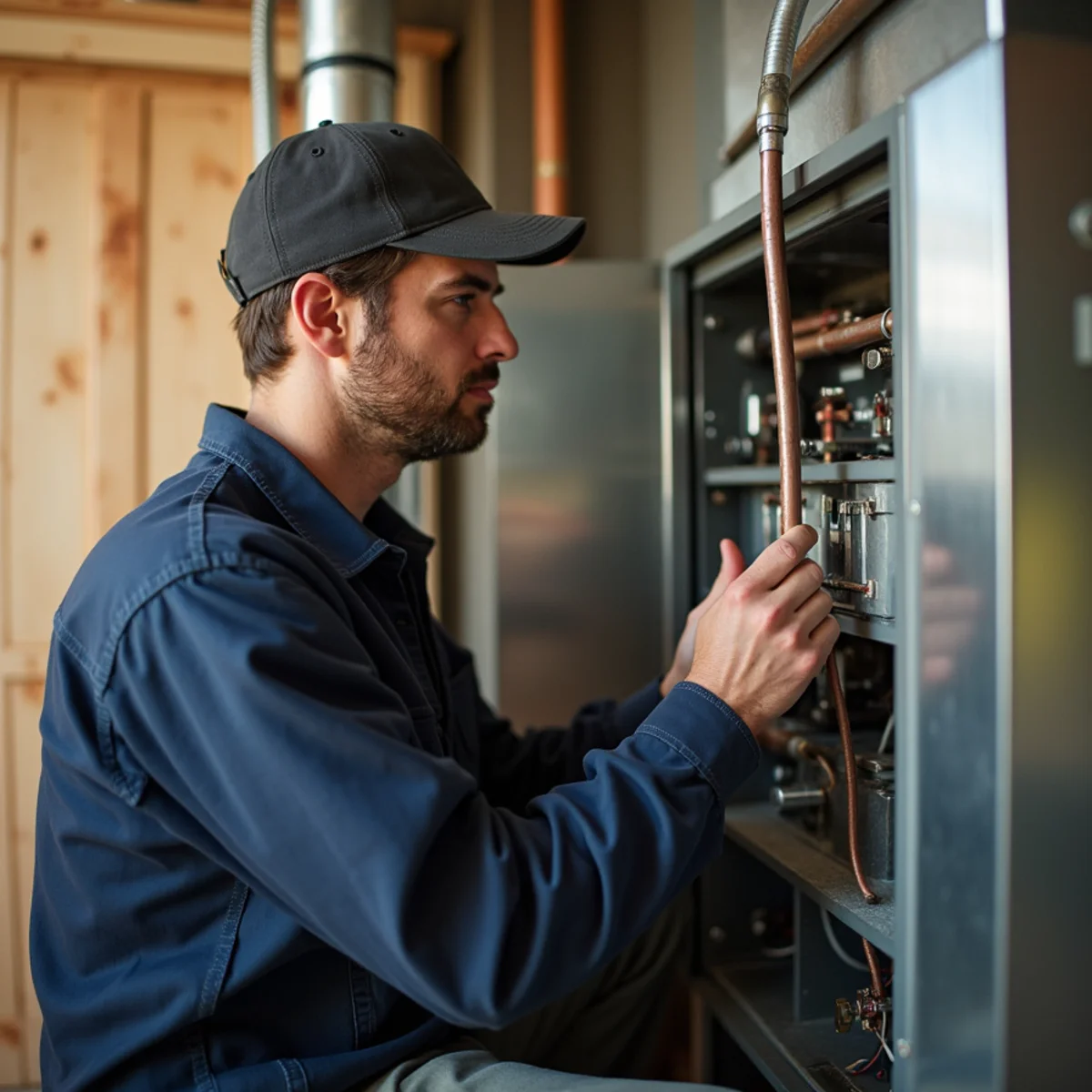
The DIY list covers airflow and safety devices. A professional furnace tune-up gets into the combustion side of the system, which is where the failures that leave you cold — or unsafe — actually live:
- Heat exchanger inspection — the metal wall that keeps combustion gases separate from the air you breathe. A crack leaks carbon monoxide, and only a technician can inspect it properly.
- Igniter test — the hot-surface igniter is a common no-heat cause and it fails without warning, usually on the coldest night.
- Flame sensor cleaning — a sooty flame sensor makes the furnace light and then shut off seconds later, one of the most frequent service calls we run all winter.
- Combustion and gas-pressure check — confirming the burners fire clean and the gas pressure is set right for safe, efficient heat.
- Blower and electrical inspection — motor, capacitor, wiring, and the safety switches that protect the system.
We build all of this into our furnace and heating maintenance visits. If your unit is short-cycling or blowing lukewarm air, our guide to why furnaces short-cycle in foothill winters explains the usual culprits before you call.
Warning Signs You Shouldn't Ignore Before Winter
Catch these during your test-run and deal with them while HVAC schedules are still open:
- A yellow or flickering burner flame — a healthy gas flame burns steady and blue.
- Soot or black streaks around the furnace or registers.
- Gas bills creeping up with no change in how you heat the house.
- The furnace short-cycling — firing for a minute, shutting off, and repeating.
- A furnace that trips its breaker or leaves water pooling near a high-efficiency unit's condensate drain.
Higher Elevations Need Earlier Prep
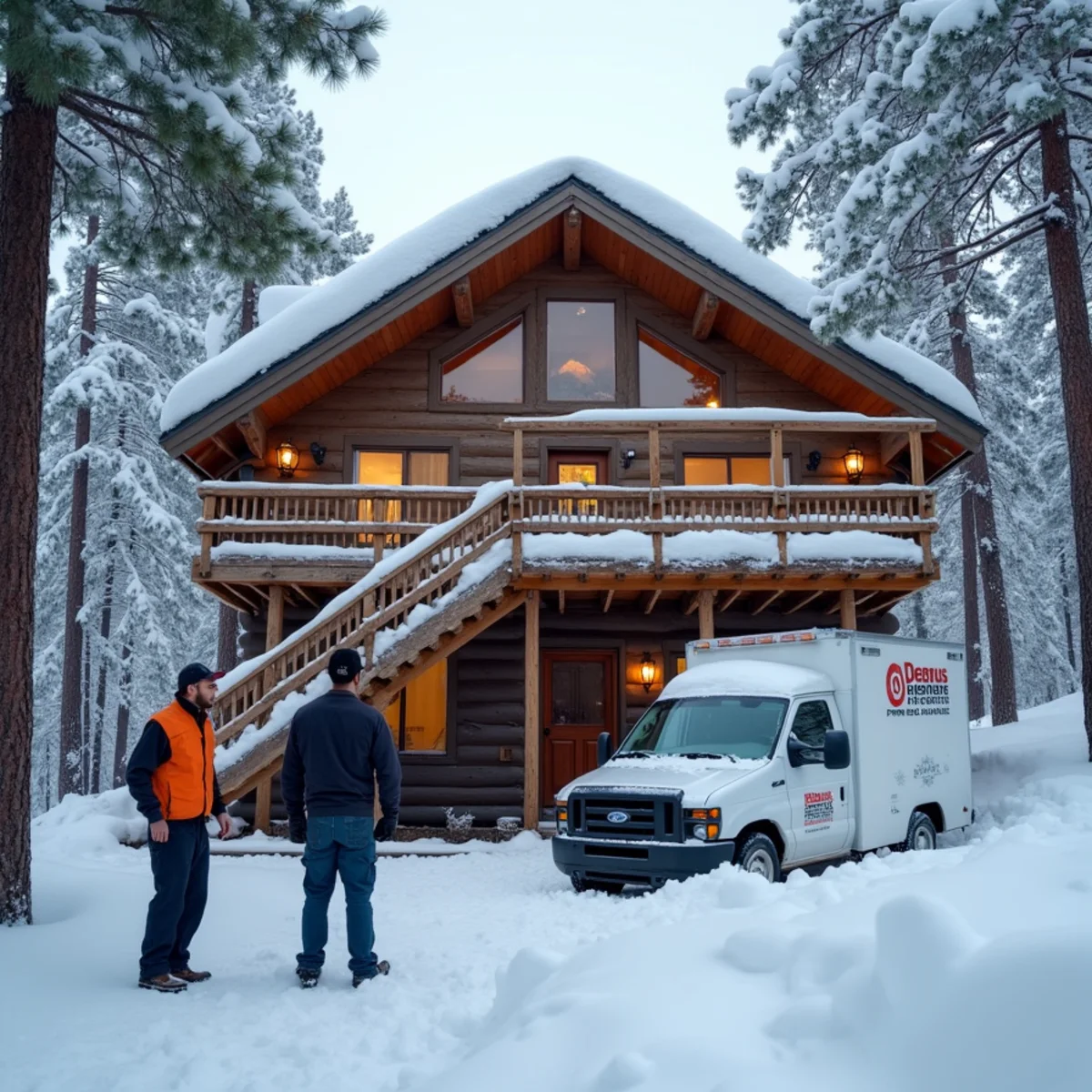
If you own a place up the hill, move your calendar up. Homes in Colfax and the towns above it are heating-dominant, get real snow, and can freeze weeks before Auburn does — so aim to have furnace service done by mid-October. Part-time and vacation properties need extra planning: our guide to winterizing a cabin near Colfax and Alta covers freeze protection when nobody's there to notice a problem.
Get your furnace checked before the cold
Beat the first freeze with a professional heating tune-up. Call +1 (327) 210-5999 for same-day service in Auburn and 24/7 no-heat emergencies all winter.
Frequently Asked Questions
Early fall — September or October — before the first freeze. Servicing then means the system is verified safe and reliable before you depend on it, and appointments are far easier to get than during the first cold snap.
A brief burning-dust smell the first time you run heat each season is normal — it's summer dust burning off the heat exchanger and it clears in a few minutes. A smell that lingers, or a smoky or electrical odor, is not normal; shut the furnace off and have it inspected.
Yes. The heat exchanger is the barrier that keeps combustion gases, including carbon monoxide, out of your household air. A crack can leak CO into the home, and it can't be seen without a proper technician inspection, so it's checked every year.