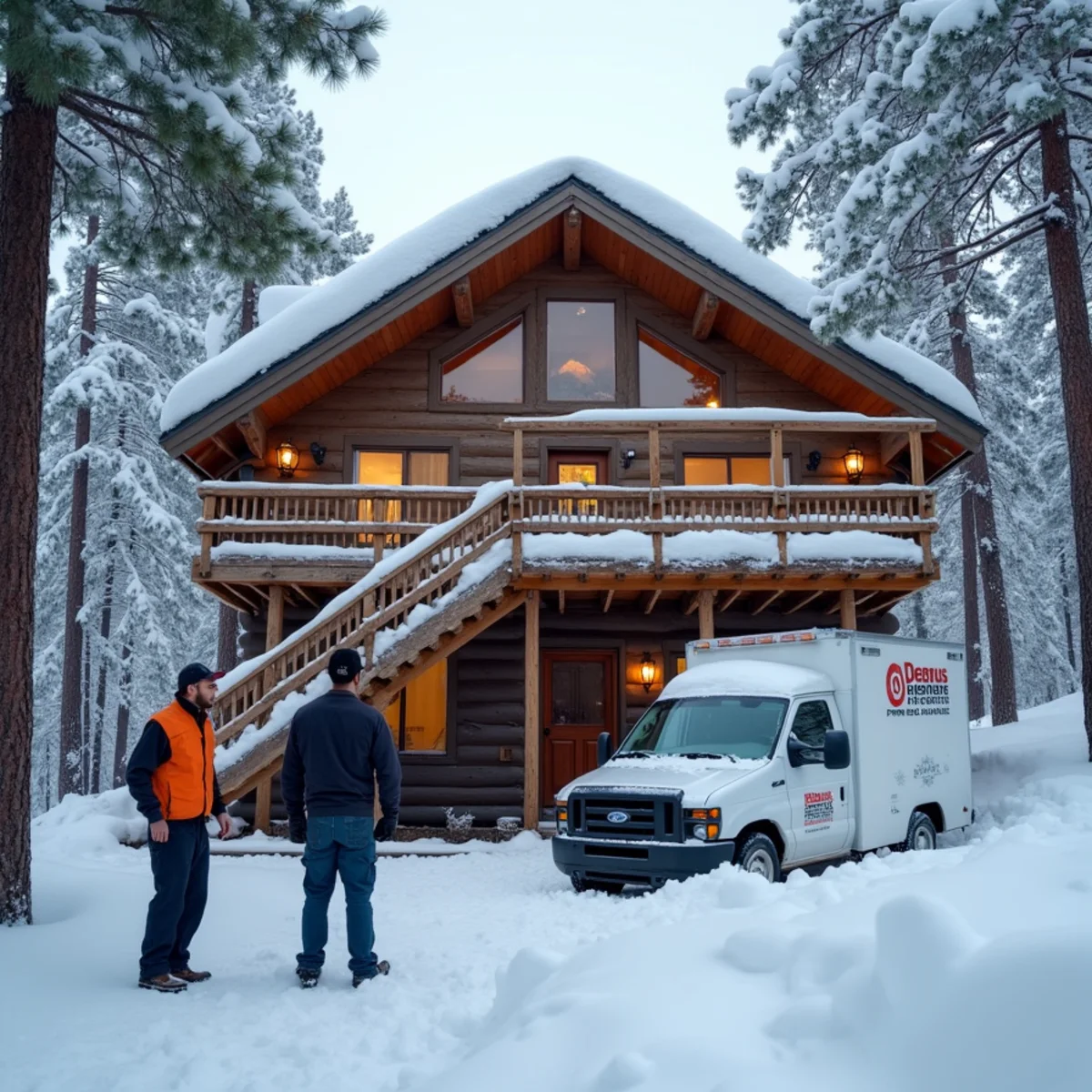
The cabin up the hill near Colfax or Alta is the whole reason you put up with the drive. But from November to spring, it often sits empty — no one there when the temperature drops, the power flickers off in a shutoff, or the furnace decides it's done. Snow country at 2,400 to 3,700 feet is a different world than Auburn proper, and a hard freeze in an unattended cabin is how you end up with burst pipes and a flooded floor discovered in April.
It doesn't take an epic cold event, either. Auburn itself dropped to about 5°F in the December 2013 snap; up at cabin elevations it gets colder, snows harder, and stays frozen longer. The thing that makes a part-time cabin uniquely vulnerable is simple: nobody's there to notice the first sign of trouble.
There are two honest philosophies for protecting a snow-country cabin — keep set-back heat running, or fully winterize and shut it down. Here's how to decide between them and how to do each one right.
Set-Back Heat vs. Full Shutoff
This is the core decision, and it comes down to how often you actually use the place:
Two ways to protect a snow-country cabin
| Approach | Best for | Watch out for |
|---|---|---|
| Set-back heat (~55°F) | Regular weekend or holiday use | Fuel run-out, power loss, or furnace failure — needs monitoring |
| Full winterization / shutoff | Cabins left empty all season | Labor to drain and recommission; slow to warm up on arrival |
Set-back heat keeps the furnace holding the cabin around 55°F, which protects the plumbing and lets you show up to a house that warms quickly. The catch is that it depends on three things all working at once — fuel in the tank, power to the blower, and a healthy furnace — and you won't know if any of them fails unless you're monitoring remotely. Full winterization is bulletproof against freezing but it's real work to drain down and bring back, and it isn't practical if you're up there most weekends.
Protecting Pipes and Plumbing
However you go, the plumbing is what actually fails and floods, so plan for it deliberately:
- Leaving heat on: hold the thermostat at 55°F or higher, open cabinet doors under sinks on exterior walls so warm air reaches the pipes, and insulate any exposed lines and hose bibs.
- Shutting down: turn off the water main, open the faucets, and drain the supply lines and the water heater fully.
- Add non-toxic RV antifreeze to sink and shower P-traps, toilet bowls and tanks, and any floor drains so the standing water in them can't freeze and crack the fitting.
- Don't forget the outdoor spigots, the ice-maker line, and any water-softener or filter loop.
Mind the water heater
If you drain the water heater, shut off its gas or propane and its power first — firing a gas or electric water heater with no water in the tank will wreck it. On a tank you're leaving full with set-back heat, make sure the space around it stays above freezing too.
Remote Monitoring: Know Before It Becomes a Disaster
If you take one upgrade away from this article, make it this. A Wi-Fi or cellular thermostat with low-temperature alerts, or a standalone freeze alarm, will text you the moment the cabin drops toward freezing — while there's still time to send a neighbor or call for help, instead of finding the damage months later. Because foothill cabins lose internet during a PG&E Public Safety Power Shutoff, a battery-backed cellular temperature sensor is worth every penny for a place that sits empty. A smart thermostat with zoning and remote access is the single best comfort-and-protection improvement most absentee owners can make.
Snow, the Condenser, and Heat Pumps
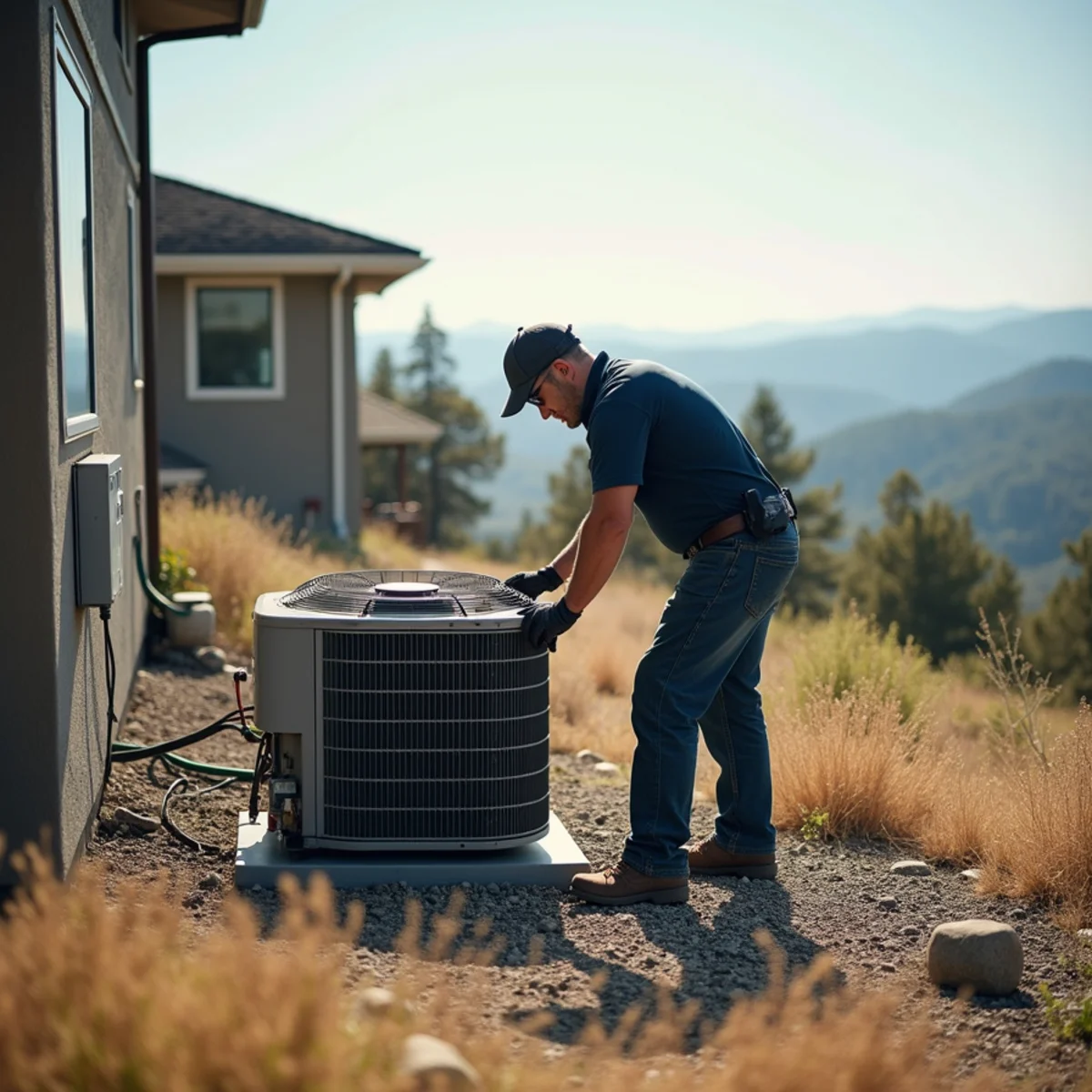
More hill cabins are going to heat pumps, and snow changes the rules for the outdoor unit. Keep the condenser or heat pump up on a stand above the typical local snow depth so it isn't buried, and make sure it isn't sitting where roof snow and ice will slide down onto it. Keep the coil and the top clear through the season, and remember that a straight air-source heat pump loses capacity as the temperature drops — which is why most snow-country cabins pair one with propane or electric backup heat. If the unit vents combustion, make sure snow never blocks the flue.
Propane Supply and Power
Most cabins above Colfax run on propane, and two things catch owners off guard every winter. First, supply: check your tank level before the season and keep it above about 30 percent, because a snowed-in road can mean no delivery for weeks. Second, and this is the one that surprises people — a propane furnace still needs electricity to run its blower, igniter, and controls. During a PSPS or a snow-related outage, a full propane tank buys you nothing if the power is out; you'll have no heat until it comes back or you fire up a generator or battery backup. Our guide to backup power for foothill HVAC during PSPS events walks through the options.
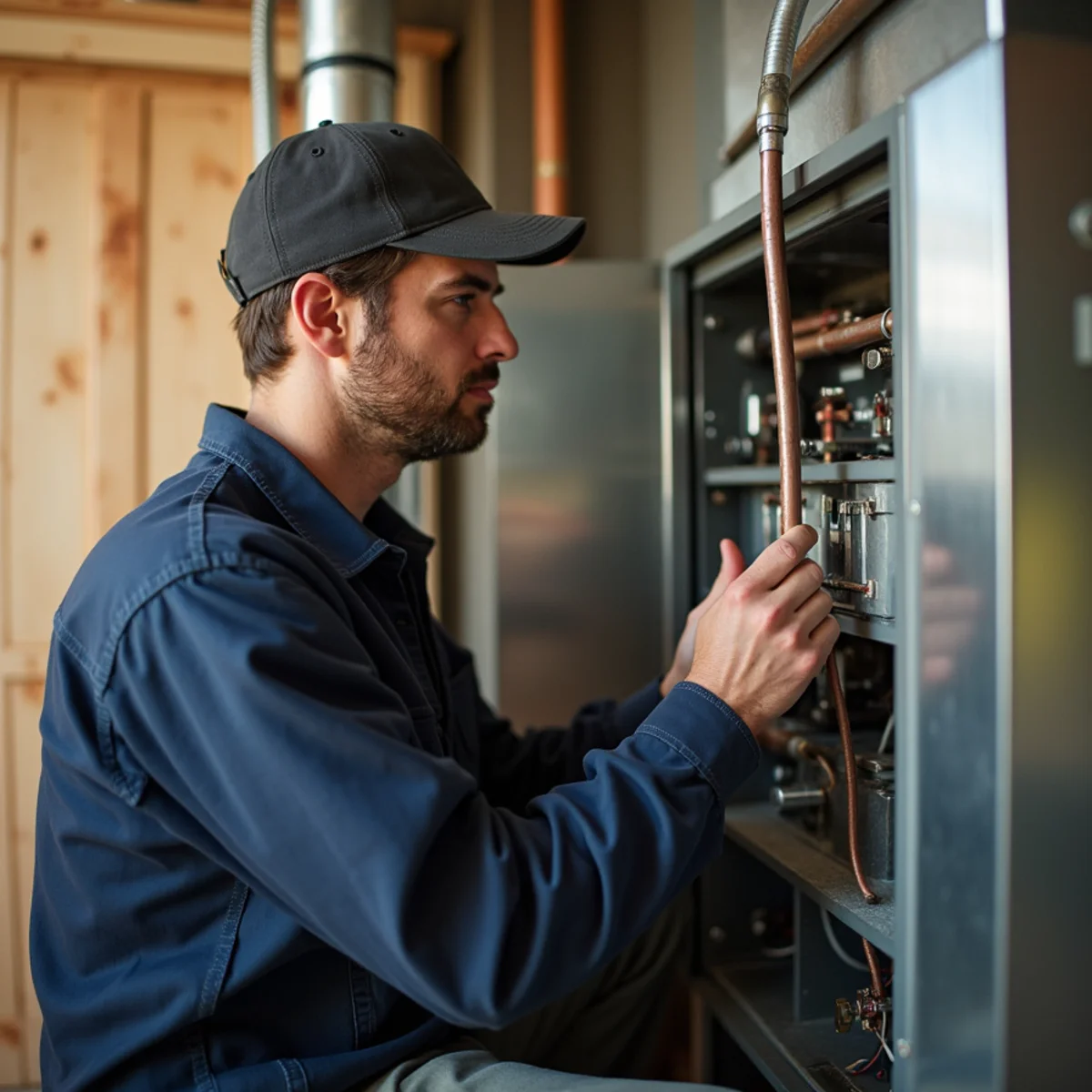
If your cabin's furnace is aging or acting up before you close it down for the season, get it sorted first — our furnace repair crew covers Alta, Colfax, and the higher foothills, and a fall once-over pairs naturally with the fall furnace checklist every foothill homeowner should run.
Winterize with a pro before the snow flies
Closing up a cabin near Colfax or Alta for the winter? Call +1 (327) 210-5999 for furnace service, freeze protection, and remote-monitoring setup — same-day where we can, and 24/7 for emergencies.
Frequently Asked Questions
If you visit regularly, yes — set it to about 55°F to protect the pipes and add remote temperature monitoring so you get an alert if it fails. If the cabin sits empty all season, fully draining the plumbing is safer than depending on heat, fuel, and power all staying on.
No. A propane furnace still needs electricity to run its blower, igniter, and controls, so a power outage means no heat even with a full tank. A generator or battery backup for the furnace is what keeps a cabin protected during a PSPS or snow outage.
Either hold set-back heat at 55°F or higher, or shut off the water main, drain all the lines and the water heater, and put non-toxic RV antifreeze in the traps and toilets. Insulate any exposed pipes and hose bibs either way.