Out in the wooded pockets around Auburn — Christian Valley, Bowman, Meadow Vista — the lots run big, the oaks and pines run thick, and every late summer brings the same worry: smoke. When a fire is burning anywhere upwind, the filter you'd normally swap once a quarter can turn gray in a couple of weeks.
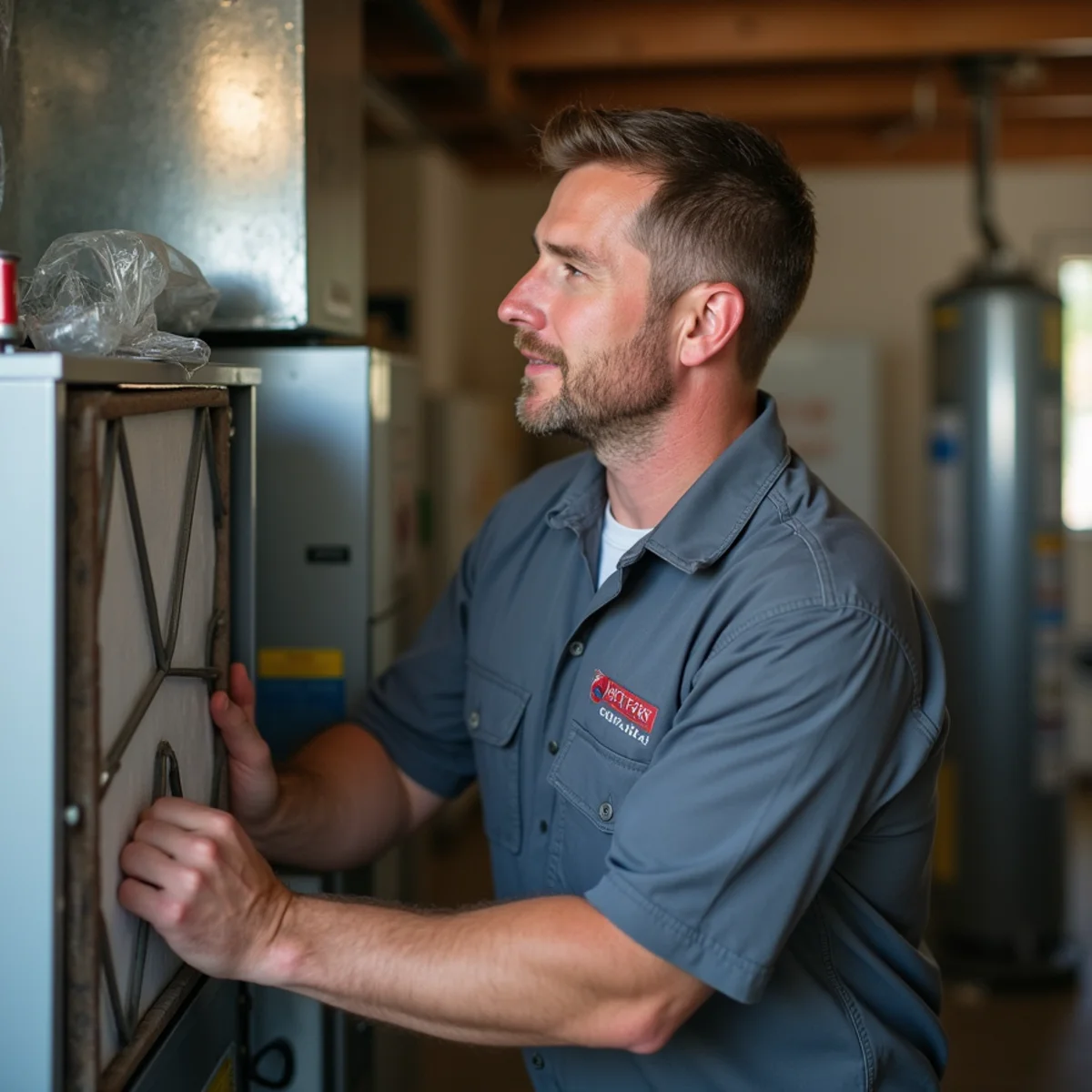
A loaded filter isn't just a filter that stopped cleaning the air. It chokes airflow, makes the blower work harder, can freeze the AC coil, and leaves the whole house smelling faintly of campfire no matter how tight you keep the windows. During a bad smoke stretch, the filter is the cheapest, most important part in your system — and the one people forget.
So here's the honest answer to how often you should actually change filters in wildfire country, how smoke changes the math, and how to balance a higher MERV rating against the airflow your system needs.
Normal vs. Smoke-Season Filter Intervals
There's no single number, because it depends on the filter and the air. A thick media filter lasts far longer than a cheap one-inch pad, and clean mountain air loads a filter slowly while active smoke can gray one out in days. Use these as starting points and adjust to what you actually see:
Filter change intervals for Auburn-area homes
| Filter type | Normal season | Active smoke / fire season |
|---|---|---|
| 1-inch fiberglass or basic pleated | 30–60 days | Check every 2 weeks |
| 1-inch high-MERV pleated | 60–90 days | Every 3–4 weeks |
| 4–5 inch media cabinet filter | 6–12 months | Every 2–3 months |
Homes on wooded lots and dirt roads, and homes with pets, load faster even without smoke — there's simply more dust and dander in the air. If you're on the interface, check the filter monthly year-round and weekly whenever you can smell smoke.
Here's the part that catches people off guard: closing the windows doesn't keep smoke out. Fine particulate slips in through the same gaps that let a house breathe — around doors, recessed lights, and attic penetrations. Every time the system fan runs during a smoke event, it pulls that infiltrated smoke through the filter, which is exactly what you want it to do, but it also means the filter loads far faster than the calendar would suggest. Go by how the filter looks, not by the date you last swapped it.
MERV Rating vs. Airflow: Don't Choke Your System
MERV is the scale that rates how fine a particle a filter catches — higher numbers trap smaller particles, including the fine PM2.5 in wildfire smoke. It's tempting to grab the highest MERV on the shelf, but there's a catch: the denser the filter, the harder it is to pull air through it.
Wildfire smoke is mostly particles smaller than 2.5 microns — small enough to slip past a cheap filter and deep into your lungs. It takes a MERV 13 or better to capture a meaningful share of them, which is the real argument for upgrading. The argument against overdoing it is airflow: past a certain point, a denser filter protects your lungs while it starves your equipment.
Most residential systems are designed for something in the MERV 8 to 13 range. Cram a MERV 16 filter into a slot built for a one-inch pad and you can starve the blower, drop efficiency, ice up the evaporator coil, and in some cases shorten the motor's life. The filter that looks best on paper can quietly hurt the system.
MERV 13 is the smoke sweet spot
For most Auburn homes, MERV 13 captures fine wildfire particulate while still letting the system breathe. If you want cleaner air than that during a heavy smoke event, add a portable HEPA unit in the bedrooms or ask us about a properly sized media cabinet as part of your indoor air quality setup — don't just jam a thicker filter into a slot that can't handle it.
How to Tell a Filter Is Loaded
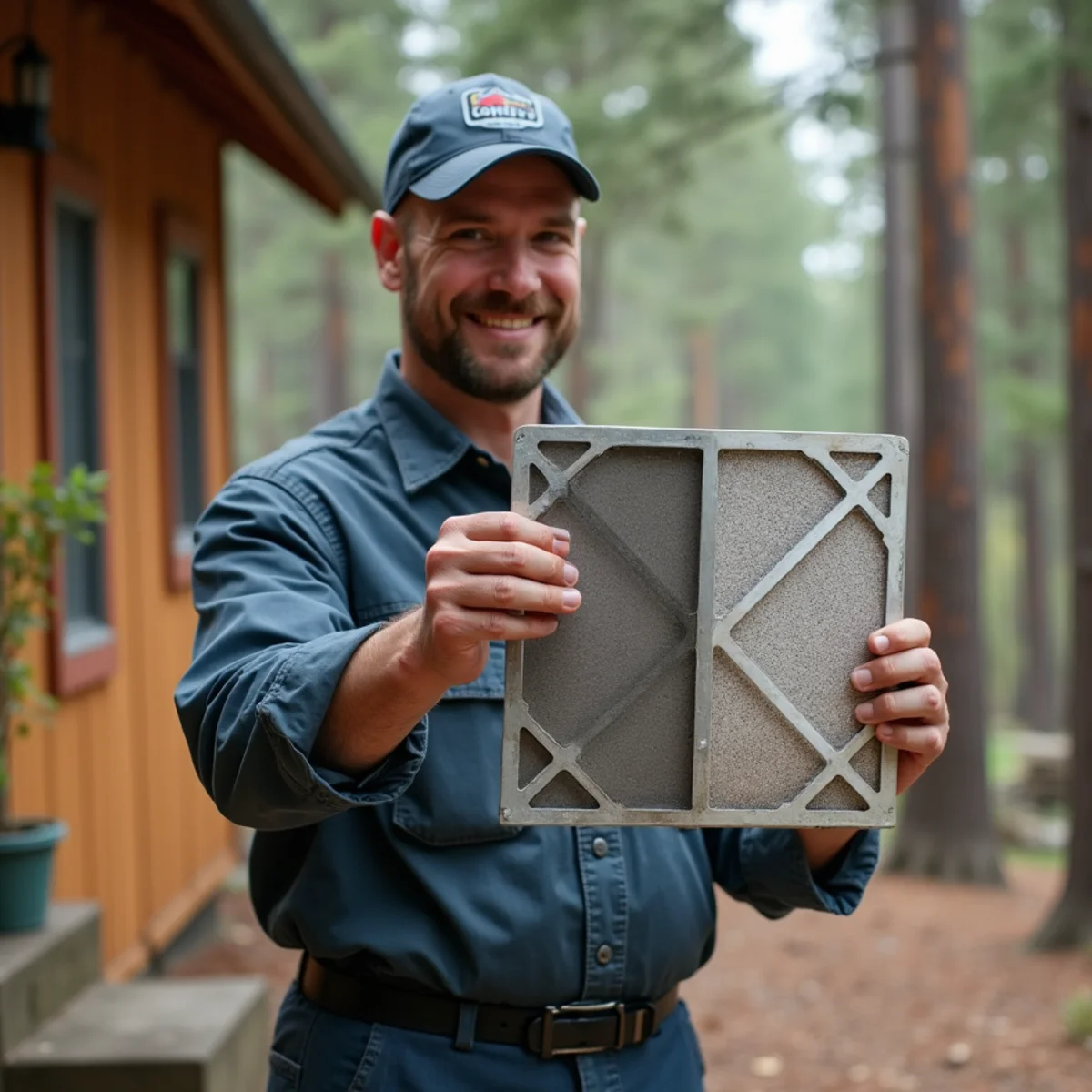
You don't need a fancy gauge. A quick look and a couple of symptoms tell you when it's time:
- Hold it up to a light — if you can't see light through it, it's done.
- The surface looks gray, matted, or fuzzy instead of white or clean.
- Airflow at the registers feels weak, and the system runs longer to hit the setpoint.
- You hear a faint whistling around the filter slot as the blower fights for air.
- A dusty or smoky smell rides along with the airflow, or the AC coil ices up.
The Cost of Skipping It
Neglecting the filter during smoke season isn't a small thing. A starved system can freeze the evaporator coil into a block of ice, strain the blower motor toward an early failure, and burn more PG&E power to move less air — all while recirculating smoky air through the house. Set against a filter that costs a few dollars, replacing it on time is the best-value maintenance you'll ever do. Our deeper guide to protecting indoor air during Auburn's smoke season goes further on keeping the air breathable when the sky turns orange.
Christian Valley and the Wooded Foothills
The homes most exposed to this are exactly the ones people move to Auburn for — the shaded, tree-covered lots in places like Christian Valley where a dirt driveway and a canopy of oaks are the whole appeal. During the 2022 Mosquito Fire, homeowners in the wooded stretches around the foothills watched filters go black in days. The move is simple: buy a stack of the right filters before fire season starts, so you're swapping them on schedule instead of driving to the store when the air is already bad.
Breathe easier this smoke season
Not sure your system can handle a higher-MERV filter, or want real smoke filtration built in? Call +1 (327) 210-5999 for same-day indoor air quality help in Auburn and 24/7 service.
Frequently Asked Questions
Check it every one to two weeks during active smoke and replace it as soon as it looks gray. A filter that would normally last 90 days in clean air can load up in about two weeks of heavy smoke, so go by what you see, not the calendar.
MERV 13 is the sweet spot for most homes — it captures the fine particulate in smoke while still allowing enough airflow. Going higher can starve the blower and freeze the coil unless the system was designed for it, so confirm compatibility before you upgrade.
Yes, running the system fan continuously keeps filtering the indoor air, but only with a fresh, appropriately rated filter in place. A loaded filter just restricts airflow, so change it first, then run the fan.