Drive Interstate 80 from Auburn up to Alta and you climb almost 2,500 feet in about half an hour. The house at the top lives in a different climate than the one at the bottom — snowier winters, cooler summers, colder nights — and it needs a different HVAC strategy to match.
A lot of foothill homeowners buy equipment sized and chosen for 'the foothills' as if that were one place. It isn't. What's right for a balanced Auburn climate can leave a Colfax or Alta home cold in a snowstorm, and an Alta-grade heating setup would be overkill and inefficient down in Penryn. Elevation quietly flips the whole priority list.
Here's how HVAC priorities shift as you climb the Sierra elevation bands, and how we pick equipment for where your house actually sits — whether that calls for a heat pump installation or a heating-first system built for snow.
Auburn at ~1,200 Feet: A Balanced Climate
Auburn's climate leans toward cooling but stays balanced. Summers are hot — about 63 days over 90°F — while winters are mild, with January normals of roughly 56°F by day and 38°F at night and only occasional frost. Equipment here has to handle real summer heat first, with modest heating demand behind it. That's an ideal fit for a heat pump: efficient cooling through the long summer and enough heating for a gentle winter, all from one system.
Colfax at ~2,400 Feet: The Transition Zone
Up at Colfax, summers are still warm but a notch milder, and winters turn colder with occasional snow. The heating load climbs enough that backup heat starts to matter. A heat pump still works well, but this is where a dual-fuel setup — a heat pump paired with a gas or propane furnace that takes over on the coldest nights — begins to make real sense. You get efficient heating most of the winter and reliable output when a cold front drops in.
Alta ~3,700 and Pollock Pines ~4,000: Snow Country
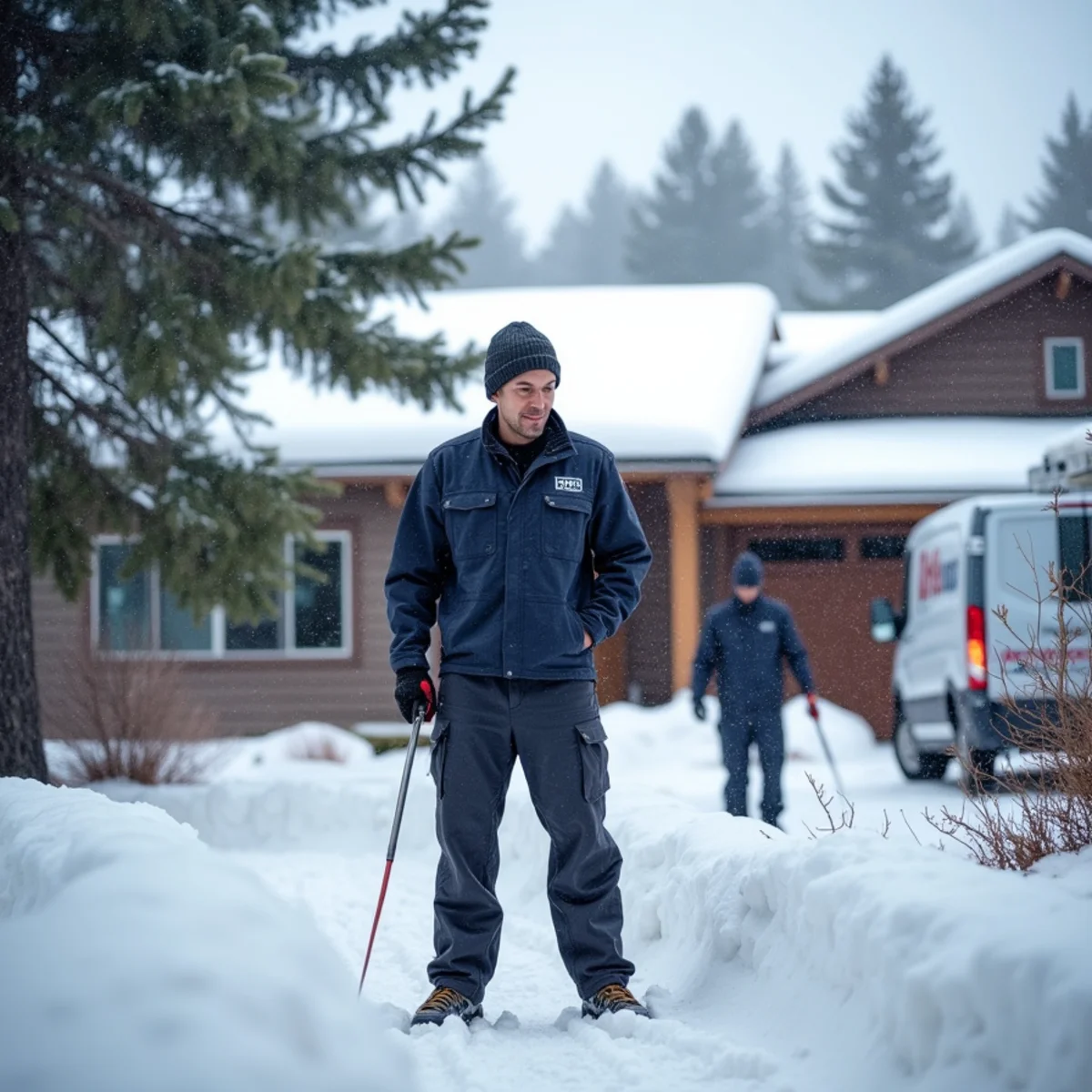
At Alta and up toward Pollock Pines around 4,000 feet, you're in genuine snow country. These are heating-dominant homes with cold nights, snow load, and often propane instead of natural gas. The priorities flip completely: reliable, correctly sized heating comes first, and cooling becomes a nice-to-have rather than the main event. Here we're specifying cold-climate heat pumps with strong backup heat, or a robust furnace, and paying close attention to the defrost cycle and to keeping snow clear of the equipment.
Keep the outdoor unit above the snow
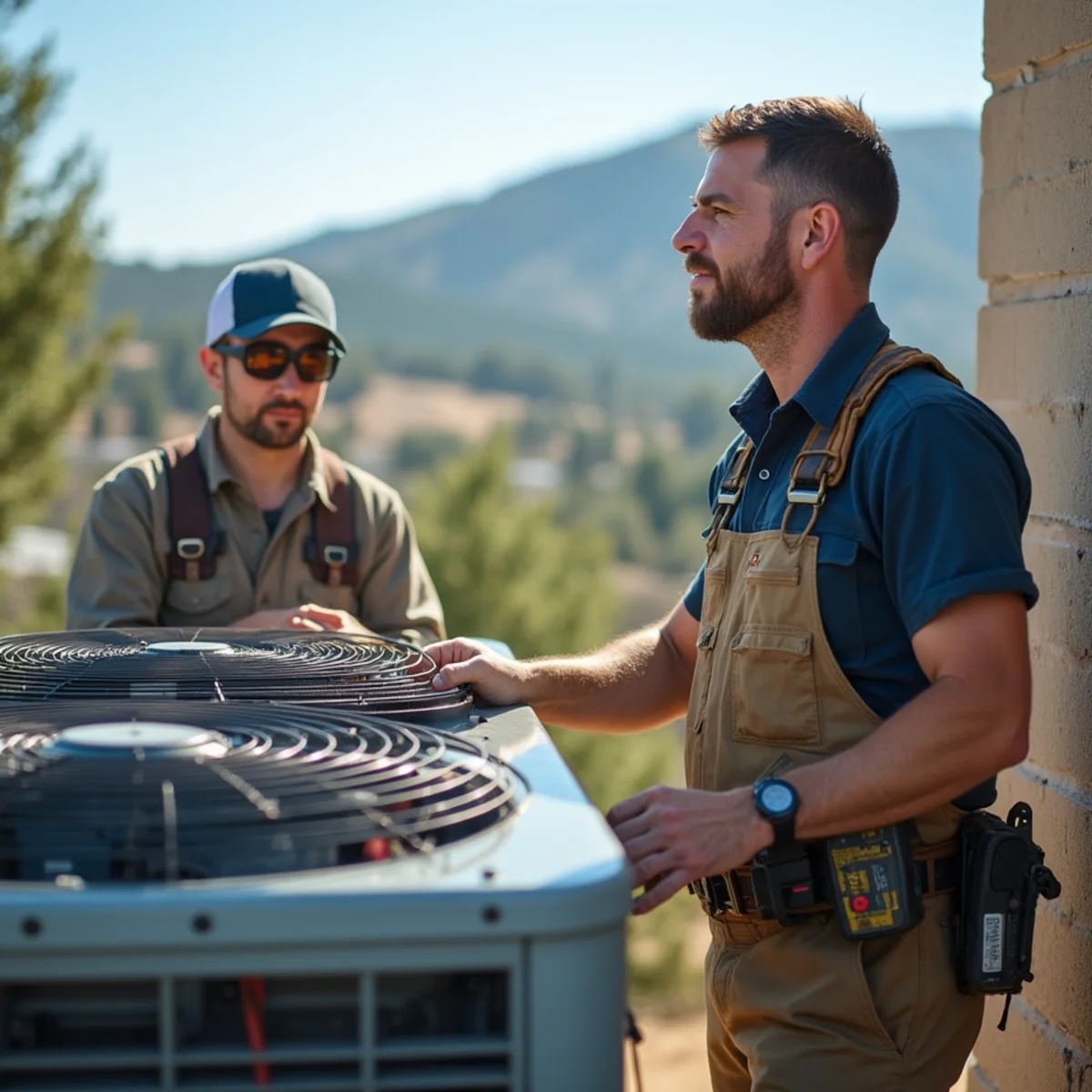
At Alta, Dutch Flat, and Pollock Pines elevations, mount heat-pump and AC condensers on a raised stand or wall bracket so they sit above typical snow depth, and keep them clear during storms. A unit buried in snow can't move air, and a blocked defrost cycle just ices the coil solid.
How Elevation Changes the Equipment Choice
The pattern is consistent as you climb: cooling matters less, heating matters more, and reliability in cold and snow moves to the top of the list. Here's how it lines up across the bands we serve:
How HVAC priorities shift with elevation in the Sierra foothills.
| Area | Elevation | Climate lean | Typical best fit |
|---|---|---|---|
| Auburn | ~1,200 ft | Balanced, cooling-leaning | Heat pump, or AC + furnace |
| Colfax | ~2,400 ft | Transition | Heat pump with strong backup or dual-fuel |
| Foresthill | ~3,200 ft | Cooler, more heating | Dual-fuel or cold-climate heat pump |
| Alta | ~3,700 ft | Heating-dominant, snow | Cold-climate heat pump or furnace + backup |
| Pollock Pines | ~4,000 ft | Snow country | Heating-first, often propane |
Why Manual J Matters Even More Up High
Elevation, snow exposure, sun, and construction vary so much from house to house up here that rule-of-thumb sizing simply fails. A Manual J load calculation accounts for the design temperature at your specific elevation instead of a generic foothill guess. Air density also drops as you climb, which changes both combustion and airflow — one more reason you can't just copy a valley install and haul it up the hill. Our comparison of heat pumps vs. furnaces in the Sierra foothills digs into how that decision shifts with the climate.
None of this means cooling disappears as you climb. Even Alta and Pollock Pines get a handful of genuinely hot afternoons in July and August, and a heat pump gives those homes efficient cooling on the days they need it without a separate AC taking up space and budget. The point isn't heating instead of cooling — it's heating first, sized for the cold, with cooling capacity that fits a shorter, milder summer. Striking that balance is exactly what the load calc is for.
Snow, Propane, and the Details That Bite Up High
- Raised equipment stands that keep condensers and flue terminations above the snow line
- Propane instead of natural gas in many higher areas, which changes the tank, regulator, and sizing
- Cold-climate ratings and healthy defrost cycles for any heat pump serving snow country
- Worse power reliability up high — plan for PSPS and storm outages when you choose equipment
If you're closing up a mountain place for the season, our guide to winterizing a cabin's HVAC from Colfax to Alta covers the freeze-protection details that come with elevation.
Match the system to your elevation
From balanced Auburn down low to heating-dominant Alta up high, we size and specify HVAC for where your house actually sits. Call +1 (327) 210-5999 for a load calc and honest recommendation — same-day service across the Placer foothills.
Frequently Asked Questions
Yes. Lower foothill towns like Auburn are cooling-leaning and balanced, so a heat pump handling summer heat with modest winter demand fits well. Higher towns like Alta and Pollock Pines are heating-dominant snow country, where reliable, correctly sized heating comes first and cooling is secondary.
They can, with the right equipment. A cold-climate heat pump with adequate backup heat handles snow-country winters, but it must be mounted above typical snow depth and kept clear so the defrost cycle works. Many higher homes also use a dual-fuel setup with a propane furnace for the coldest stretches.
Because elevation, snow and sun exposure, and construction vary house to house in the foothills, and air density drops as you climb, affecting combustion and airflow. A Manual J calculation uses your home's actual design temperature and load rather than copying a system that may be wrong for your spot.