Out past where the natural-gas mains end, across Bowman, Applegate, Christian Valley, and the rural stretches of Placer County, most homes heat with propane. A propane furnace behaves just like a natural-gas one right up until it does not, and the differences tend to surface at the worst possible time, on a cold night when the heat quits.
Here is the part rural homeowners learn the hard way: a large share of propane no-heat calls are not the furnace at all. They are the fuel supply, the tank, the regulator, or the cold itself throttling the propane before it ever reaches the burners. Chasing the furnace when the tank is the problem wastes a service call and a cold night.
So let us walk through what makes propane different, the problems unique to it, and how to tell a supply issue from an actual furnace fault before you pick up the phone.
Propane Is Not Natural Gas: the Key Differences
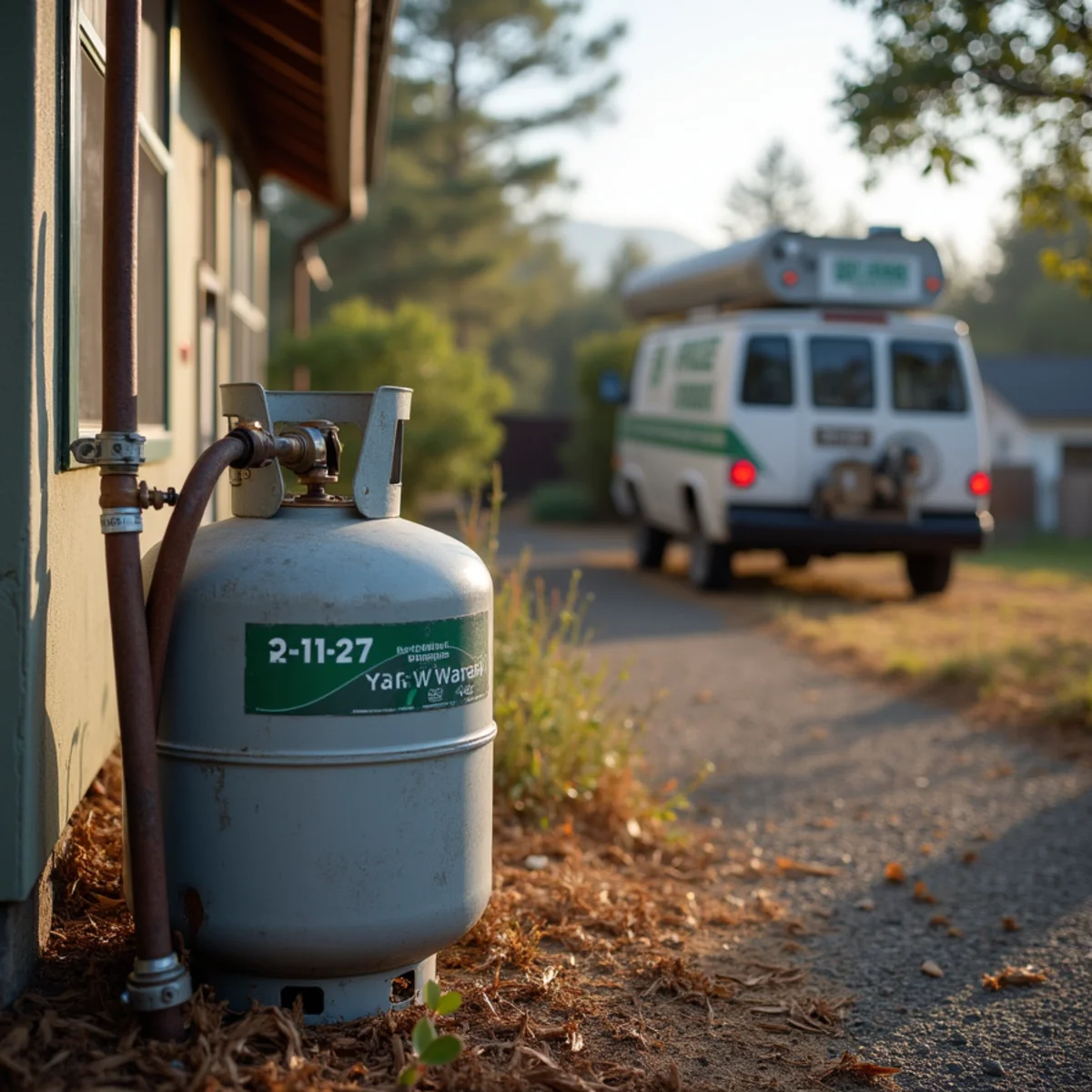
Propane carries roughly two and a half times the heat energy per cubic foot of natural gas and burns at a different pressure, so a propane furnace uses smaller burner orifices and a regulator set for propane. Put natural-gas orifices on a propane furnace, or the reverse, and it will either soot up or starve. The bigger difference is ownership: propane is stored as a liquid in a tank on your own property, so you are the utility. Nobody is watching your supply but you, and that is where most rural no-heat calls begin. Homes around Bowman and Applegate run entirely on that tank in the yard.
When the Tank Is the Problem, Not the Furnace
The single most common rural call is a furnace that will not run because the fuel is not getting there. Before anyone blames the furnace, check the tank. Watch for these:
- The tank gauge reads below 20 percent, or you cannot remember the last delivery
- A hard cold snap is draining the tank faster than usual
- The service valve at the tank is closed or only partly open
- Several appliances, furnace, water heater, range, and a generator, are pulling at once
- The furnace short cycles, burns a weak yellow flame, or will not stay lit
That last symptom is why a low tank so often looks like a furnace defect. A furnace starved for propane can short cycle exactly like an oversized or overheating one, so it is worth ruling the tank out first. Our guide to furnace short cycling in foothill winters covers the furnace-side causes once you have confirmed you actually have fuel.
Regulators and Cold-Weather Vaporization
Propane has to vaporize from liquid to gas inside the tank before it can burn, and cold slows that down. In deep foothill cold, a low tank cannot boil off vapor fast enough to feed a hungry furnace, so pressure drops and the burners starve right when you need heat most. A near-empty tank in a cold snap is the classic setup for a 2 a.m. failure. The two-stage regulator that steps tank pressure down to appliance pressure can also fail or ice over, choking supply. Keep the tank above about 30 percent through winter, and keep snow and ice clear of the regulator vent.
If you smell propane, get out first
Propane has a rotten-egg odor added for safety. If you smell it, do not flip switches or relight anything. Leave the house, and from outside call your propane supplier or 911. Because propane is heavier than air, a leak pools low in crawlspaces and basements, so a home with a crawlspace deserves extra care, working CO detectors on every level, and annual combustion checks.
Furnace Faults That Look Like Supply Problems
The symptoms overlap in both directions, which is why diagnosis matters. A dirty flame sensor drops the burner out after a few seconds, which reads just like a run-out. A clogged orifice or dirty burner produces the same weak yellow flame as a low tank. A failing regulator can mimic a bad gas valve. A technician settles it by putting a manometer on the system and reading the actual manifold pressure, which separates a fuel-supply problem from a furnace problem in a few minutes instead of by guesswork.
Safety Is Different With Propane
Because propane is heavier than air and pools at floor level instead of rising and dissipating like natural gas, leaks in a crawlspace-heavy rural home are especially dangerous. Proper venting, carbon monoxide detectors on every level, and an annual combustion inspection matter more out here, not less, and a rural home a long way from the nearest fire station has less margin for error. When the furnace itself needs attention, our furnace repair team works throughout rural Placer County.
What to Check Before You Call
- 1Read the tank gauge. If it is under 20 percent, call your propane supplier first, not the HVAC company.
- 2Confirm the service valve at the tank is fully open.
- 3Check the regulator vent for ice or snow and clear it gently.
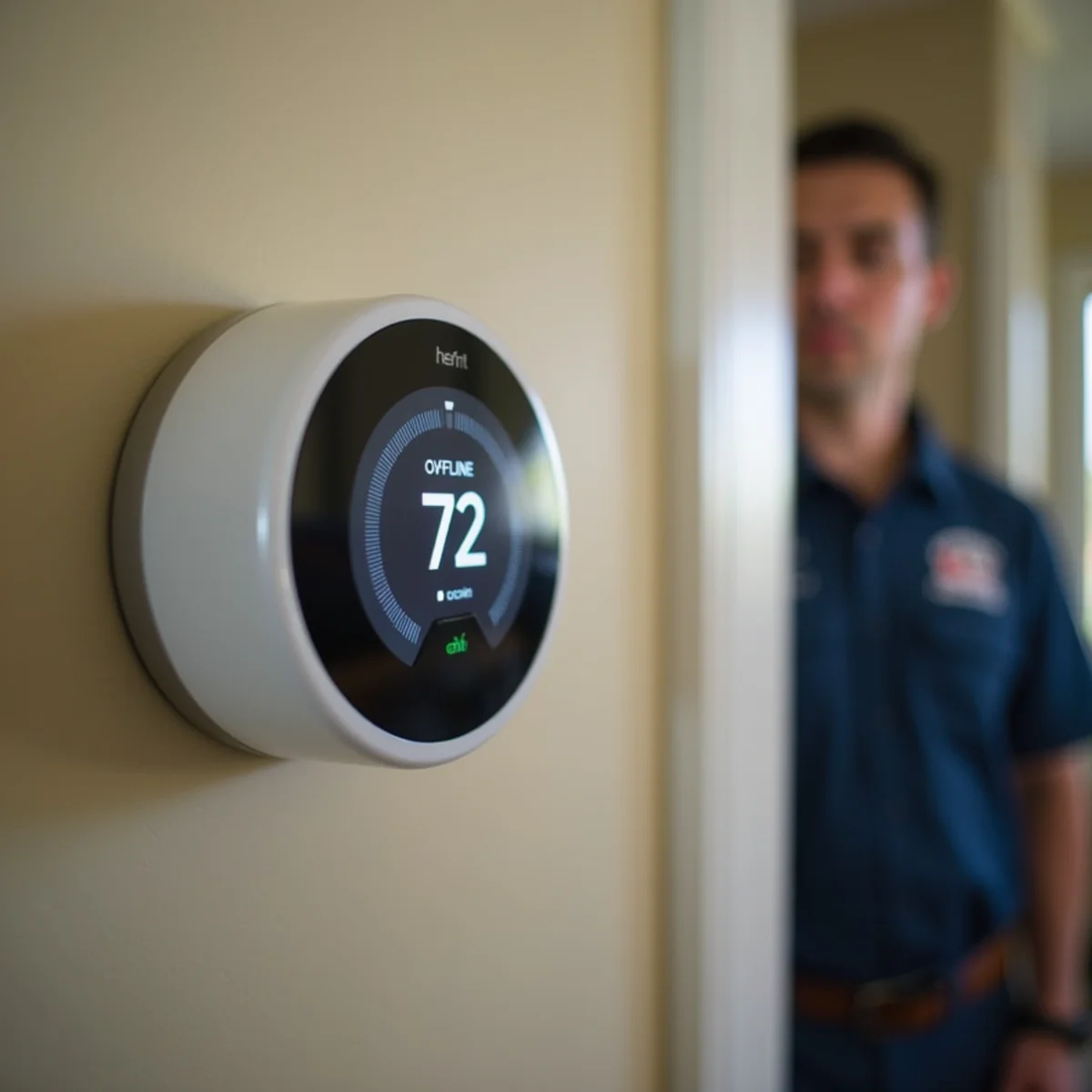
- 4Replace the furnace filter and make sure the thermostat has power or fresh batteries.
- 5If the tank has fuel and the furnace still will not run, call for a diagnosis.
No heat in the country?
When a rural propane furnace quits on a cold night, you do not have time to wait. Call +1 (327) 210-5999 for 24/7 emergency furnace repair across Bowman, Applegate, and rural Placer County.
Frequently Asked Questions
The likeliest causes are fuel-related: a low tank that cannot vaporize propane fast enough in the cold, a partly closed valve, or a failing regulator. Furnace-side causes like a dirty flame sensor produce the same symptom. Check the tank gauge first, and if it has fuel and the valve is open, have the furnace diagnosed.
Start at the tank gauge. A reading under 20 percent, a weak yellow flame, or short cycling during a cold snap often points to the fuel supply rather than the furnace. A technician confirms it by measuring manifold gas pressure with a manometer, which tells the difference between a supply problem and a furnace fault quickly.
Yes, when it is properly installed and maintained. The key difference from natural gas is that propane is heavier than air and pools low, so leaks collect in crawlspaces and basements. That makes correct venting, carbon monoxide detectors on every level, leaving immediately if you smell gas, and annual combustion checks especially important in rural homes.