Every turnover is a race: get the unit cleaned, repaired, and re-listed before another month of vacancy eats the return. HVAC is the system most likely to blow up that timeline — and the one most likely to generate a 9 p.m. emergency call from the new tenant three weeks after move-in.
For anyone managing rental property HVAC in Auburn, CA, heating and cooling is either a scheduled, budgeted line item or a string of surprise expenses. The difference comes down to what you do during turnover, when the unit is empty and you finally have real access.
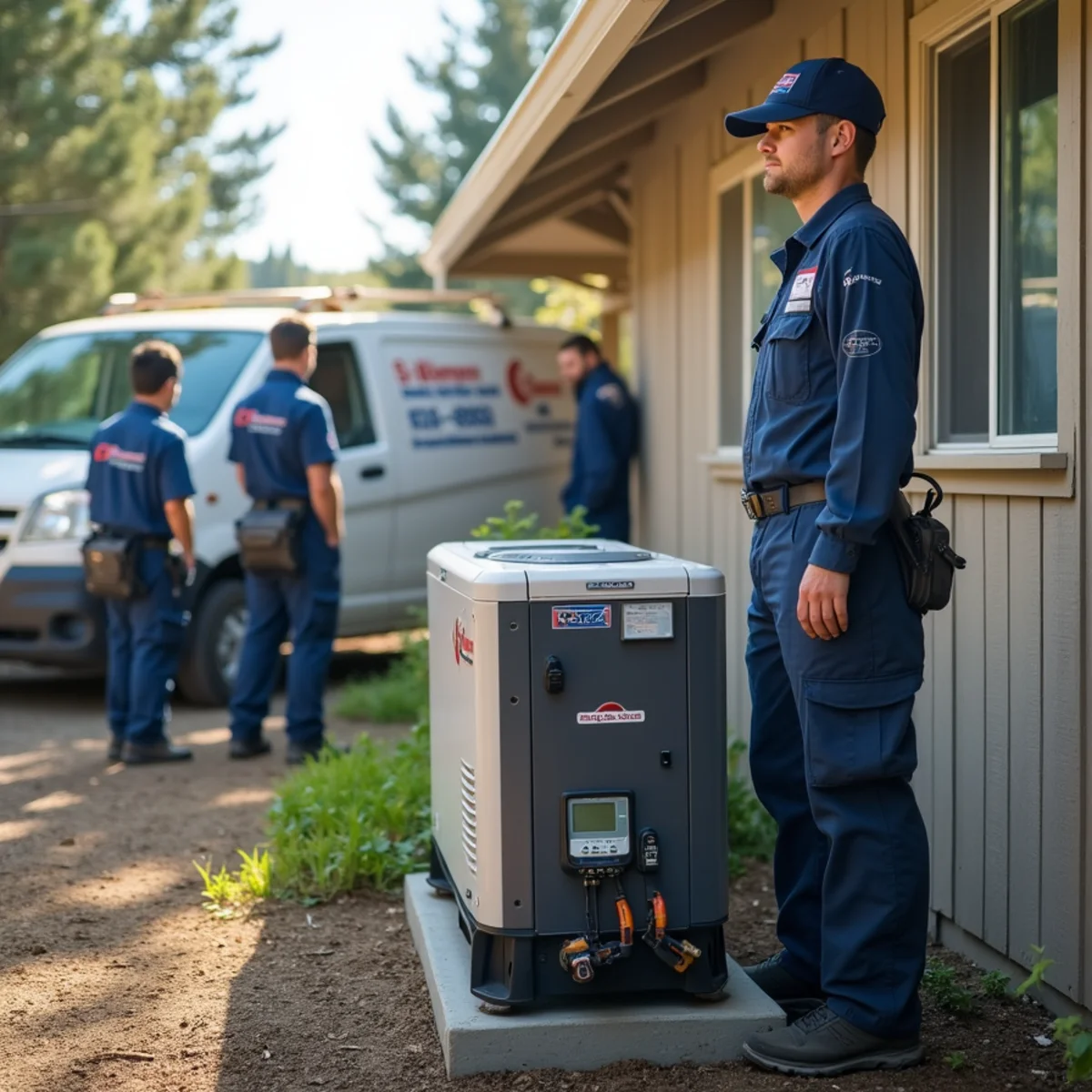
Here's the turnover playbook we use with the landlords and managers we service across Auburn and North Auburn — what to inspect, where to spend, and how to keep tenants from calling you at midnight in July.
The Turnover HVAC Inspection
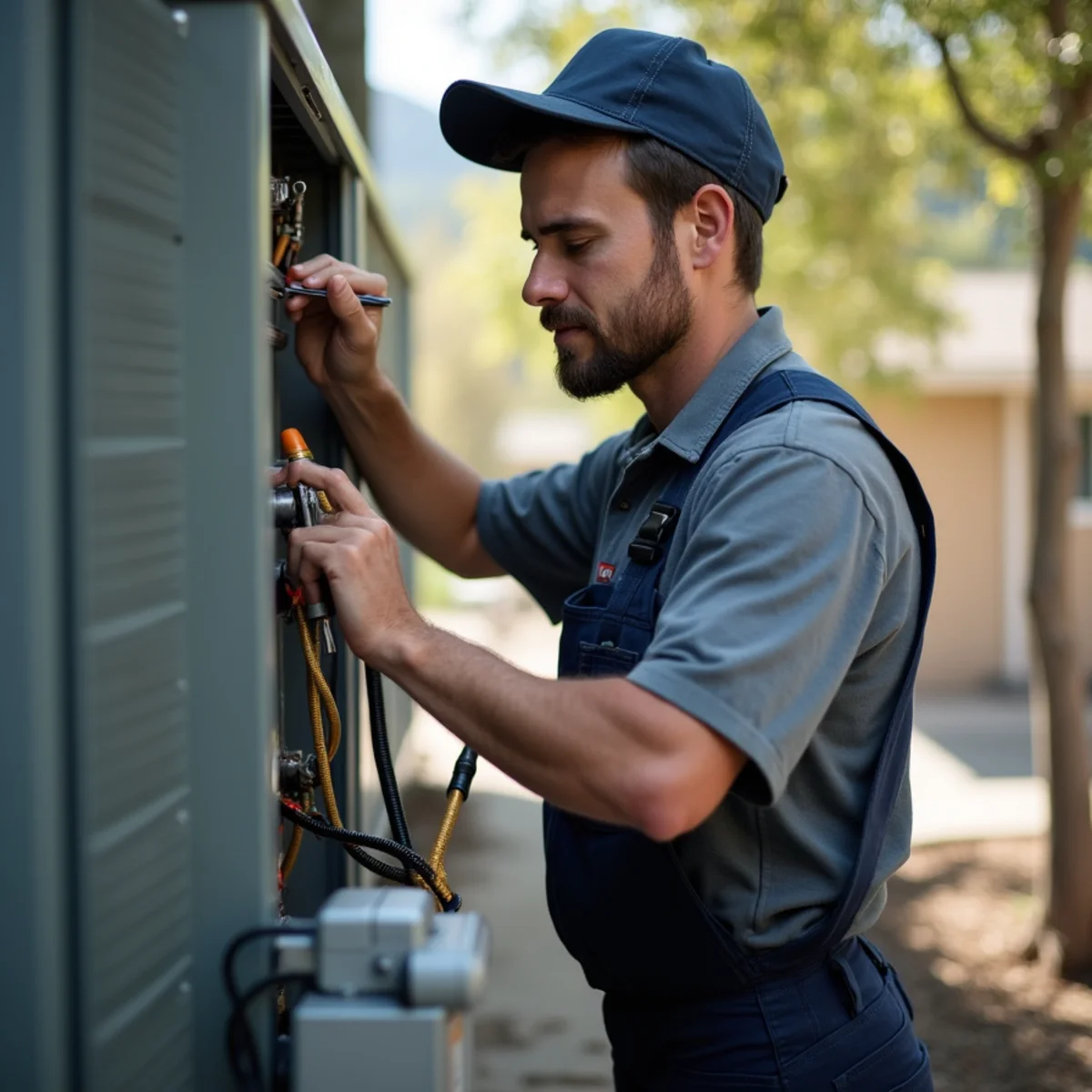
Between tenants is the one window where you can run the system hard, open panels, and fix small things without scheduling around someone's work-from-home calls. Don't waste it. A solid turnover inspection covers:
Turnover HVAC checklist
- 1Replace the filter and write the size on the return grille so the next filter is a two-minute job.
- 2Run a full cooling and heating cycle and confirm a proper temperature split at the vents.
- 3Clear the outdoor condenser of leaves and debris and check the coil for damage.
- 4Flush or vacuum the condensate drain and check the pan — a clogged drain is a classic ceiling-stain call.
- 5Test the thermostat, replace batteries, and reset any tenant-programmed schedule.
- 6Check the disconnect, breaker, and visible wiring for scorching or loose connections.
- 7Log the equipment age, model, and refrigerant type so you know where this unit sits in its life.
That refrigerant note matters more every year: units still running R-22 are on aging equipment, and once they develop a leak, topping them off gets expensive and pointless. Flag those for planned replacement instead of repeated repairs.
Filters and Tune-Ups Between Tenants
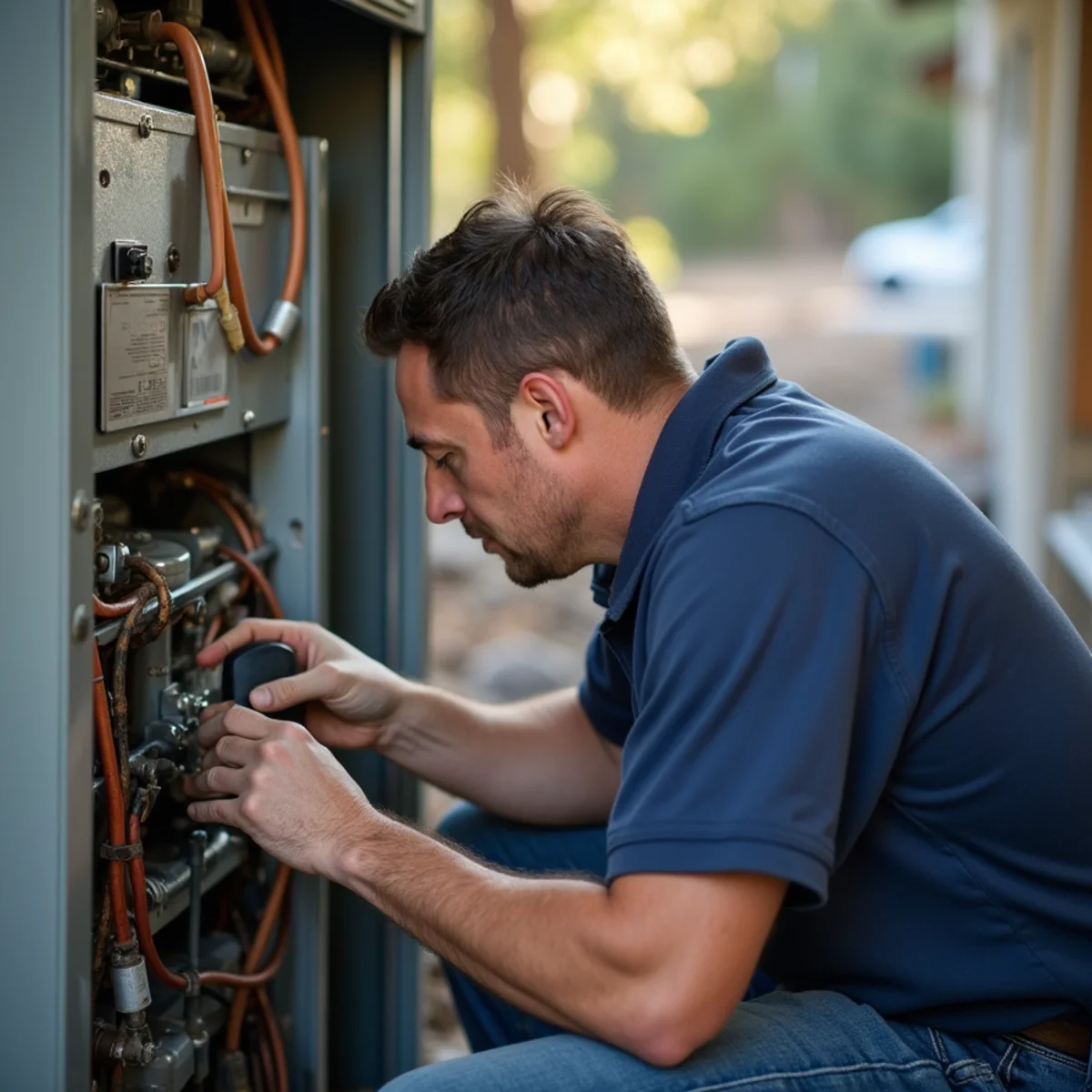
A quick filter swap isn't a tune-up. A real HVAC tune-up between tenants checks the charge, cleans the coil, tightens electrical, tests the capacitor, and verifies airflow — the things that keep a unit from dying in its first heat wave under a new tenant. Building that into your residential HVAC turnover cost is far cheaper than an after-hours no-cooling dispatch in August.
Leave the tenant a filter and a note
Hand every new tenant two spare filters, the size, and a one-line note on how often to swap them. A clogged filter causes a huge share of avoidable mid-lease breakdowns, and a $10 filter is cheaper than an emergency service call and a frozen coil.
Repair vs. Replace Across a Portfolio
On a single home you weigh one repair. Across a portfolio you're managing a fleet, and the smart move is to see each unit's age, repair history, and refrigerant against the whole. These signals help you decide where to spend:
Repair-or-replace signals for rental HVAC
| What you see | What it usually means |
|---|---|
| Unit is 15+ years old or still on R-22 | Start budgeting replacement; stop pouring money into repairs. |
| Second or third repair in the same season | Replace — you're renting the failures, not fixing them. |
| Isolated part failure on a newer unit | Repair; the system has years left. |
| Rooms never keep up on hot afternoons | Have the sizing and ductwork checked before you replace like-for-like. |
For budgeting, directional market ranges help you plan capital without guessing: a central AC replacement generally lands around $3,500 to $8,500, and a full system replacement runs roughly $10,000 to $20,000 or more depending on the equipment and the home. Those are market context, not a quote — we put an exact number in writing after we see the unit. Managing a fleet also lets you plan replacements in the slower shoulder seasons instead of during a July failure, and standardizing on a few equipment models keeps filters, parts, and technician familiarity simple across every door you manage.
Cutting Down Tenant Emergency Calls
Most 2 a.m. no-heat and no-cooling calls trace back to something a turnover inspection or a maintenance visit would have caught. The preventable ones cluster around a short list:
- Clogged filters freezing the coil or choking airflow
- Overflowing condensate drains staining ceilings
- Dead thermostat batteries mistaken for a broken system
- Tripped breakers from a failing capacitor or motor
- Ignition and flame-sensor faults on the first cold night
A standing maintenance schedule knocks most of these out before a tenant ever picks up the phone. Our HVAC maintenance plan guide for Auburn lays out the cadence that keeps rentals off the emergency board.
Documentation That Protects You
Records are your defense. In California, working heat is part of the implied warranty of habitability, so a documented turnover inspection and prompt repairs protect you if a tenant ever disputes conditions. A dated service file gives you a defensible timeline if a habitability complaint ever lands, showing exactly when the system was checked and what the tech found. Service logs also settle security-deposit questions, support warranty claims, and feed clean capital planning across a portfolio. Whether the property is in Auburn proper or North Auburn, a per-unit HVAC file — inspection dates, repairs, equipment age — turns turnover from a scramble into a routine.
Get your turnovers on a schedule
Managing rentals across Auburn and Placer County? Call The HVAC Auburn CA at +1 (327) 210-5999. We work with property managers on turnover inspections, tune-ups, and documented service, with same-day availability in Auburn and 24/7 emergency response for your tenants.
Frequently Asked Questions
At minimum: replace the filter, run a full heating and cooling cycle to confirm a proper temperature split, clean the outdoor condenser, clear the condensate drain, test the thermostat, and log the equipment's age and refrigerant type. A full tune-up that checks the charge, capacitor, and electrical connections is well worth it before a new lease.
Working heat is part of California's implied warranty of habitability, so heating generally must be maintained. Air conditioning is usually not required by law unless the lease provides it, in which case it must be kept in working order. Rules and local ordinances vary, so confirm your obligations with a landlord-tenant attorney.
Do a thorough turnover inspection, put units on a twice-a-year maintenance schedule, and leave tenants spare filters with instructions. Most after-hours no-heat and no-cooling calls come from clogged filters, clogged drains, dead thermostat batteries, or a weak capacitor — all things routine service catches before a tenant does.