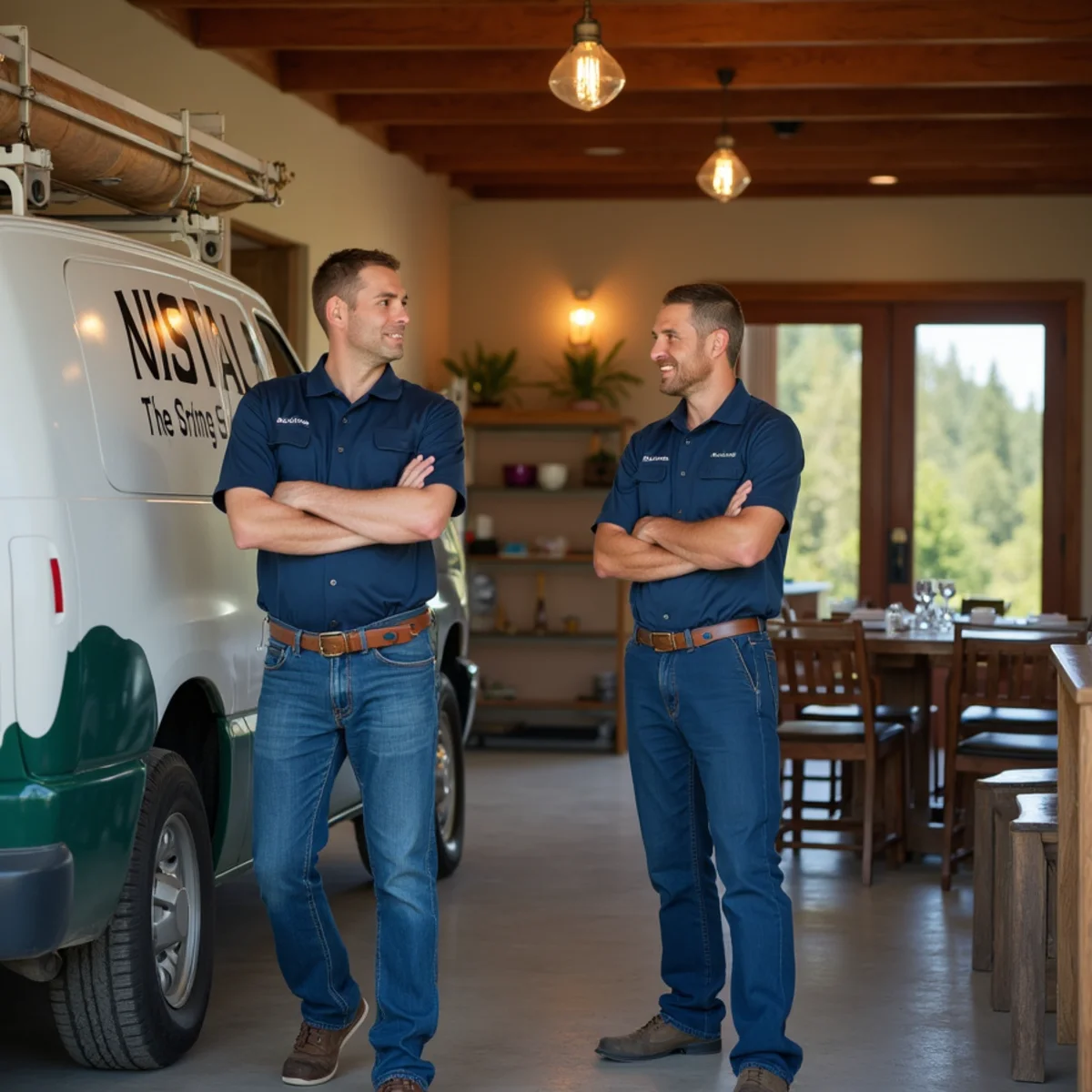
A tasting room lives or dies on the experience. Guests linger, buy another bottle, and join the club when the room feels good — and they leave early when it's stuffy, hot by the west windows, or so cold along the barrel wall that nobody wants to stand there. Across Placer County's Gold Country wine scene, from Newcastle to Loomis to Penryn, summer afternoons put real pressure on that experience.
It's not only about comfort. Wine is temperature-sensitive, and a room that swings from 68 to 82 degrees over an afternoon isn't kind to the product on the shelf or the cases in back. The system that keeps guests happy and the one that protects inventory aren't always the same equipment — and trying to squeeze both out of one undersized unit is how tasting rooms end up miserable in August.
Here's how we think about winery HVAC in Placer County: comfort where the guests are, stability where the wine is, and a system sized for a real foothill summer.
Comfort in the Tasting Room, Stability in the Back
These are two different jobs. The guest floor needs comfort and quick recovery — it has to shrug off body heat from a full room and the blast of warm air every time the door opens. A guest floor that can't recover between waves of visitors feels worse by the hour on a busy Saturday, so recovery speed — not just peak capacity — is what separates a room that stays pleasant from one that slowly bakes. Barrel and case storage needs the opposite: a tight, stable temperature that barely moves, where nobody cares whether it feels pleasant. Ask one thermostat to satisfy both and you'll overcool the guests to protect the wine, or protect the guests and cook the inventory. The fix is commercial HVAC planned around zones.
Zoning: Guests, Barrels, and Storage Don't Share a Thermostat
The most common tasting-room mistake is one thermostat for the whole building. Proper commercial HVAC zoning for a winery separates the spaces that behave differently, either with a zoned system and smart thermostats and zoning controls or with dedicated equipment for the areas that need it most. Think in zones:
- Tasting bar and guest floor — comfort-first, fast recovery from door traffic and crowds.
- Production and crush area — seasonal, high-heat, high-moisture, mostly during harvest.
- Barrel storage — steady, cool, humidity-aware; the least forgiving zone.
- Case and bottle storage — stable temperature to protect labels, corks, and finished product.
- Office and back-of-house — standard comfort, lowest priority on the hottest days.
Humidity Matters as Much as Temperature
Temperature gets the attention, but humidity quietly does damage. The EPA recommends keeping indoor humidity between 30 and 50 percent, and wine spaces have their own wrinkles. Too dry and corks can shrink over long storage; too damp and you get mold, musty labels, and condensation dripping off cold bottles onto the bar. Auburn's dry summer air actually helps on the comfort side, but production adds moisture, and a barrel room sometimes needs humidity held up rather than pulled down. A cheap hygrometer on the bar and another in storage tells you in a day whether you have a humidity problem or a temperature one, and it's the first thing we check when a room feels clammy despite cold air. Getting that balance right is part of the system design, not an afterthought.
Aim for 30 to 50 percent humidity
The EPA's 30 to 50 percent indoor humidity range is a good target for both guest comfort and product protection. If your bottles sweat at the bar or labels curl in storage, humidity — not temperature — is usually the culprit, and it's worth measuring before you assume the AC is undersized.
Sizing for a Placer County Summer Load
Auburn and the surrounding foothills see about 63 days over 90°F a year, with long 100°F stretches. Now add what makes a tasting room a tasting room: big windows framing the vineyard, hard west sun in late afternoon, a full house on weekends, and a door that never stops opening. That's a serious cooling load, and sizing off the old unit's tonnage or raw square footage won't hold it.
We run a commercial load calculation that accounts for glazing, occupancy, equipment heat, and how each zone actually gets used — a tasting room in Newcastle with a wall of glass carries a very different load than the windowless barrel room behind it. Right-sizing each zone is what keeps the guest floor comfortable during a Saturday rush without freezing the office or wearing the equipment out by short-cycling in spring.
Keeping It Running Through Harvest and Heat
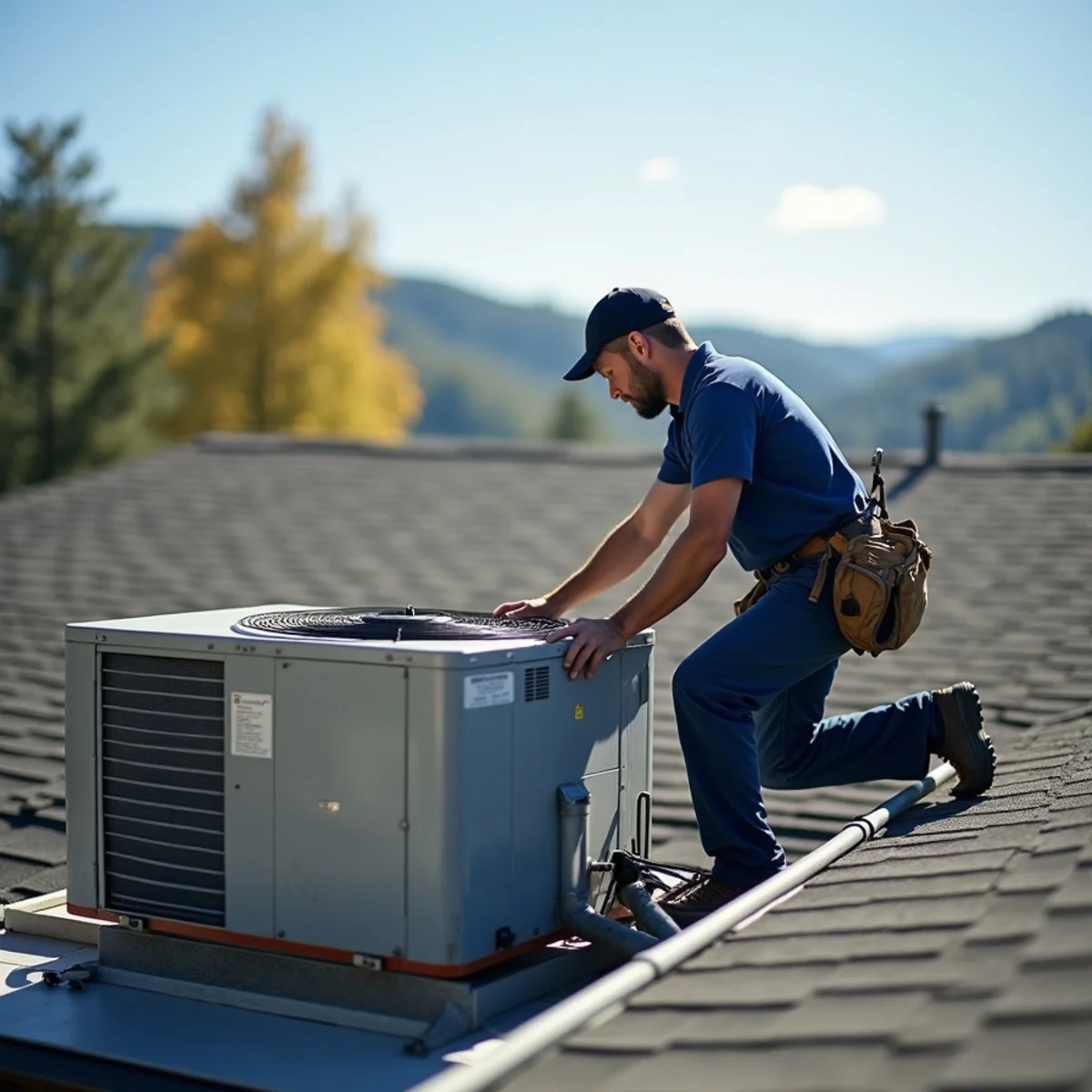
The worst time to lose cooling is a 102°F harvest weekend with a full tasting room and fruit coming in. Preventive maintenance before summer keeps that from happening: clean coils, a verified refrigerant charge, fresh filters, and a checked economizer. Build that pre-summer service visit into your calendar the way you schedule bottling or a big release weekend — a planned tune-up is a fraction of the cost and disruption of an emergency call during your busiest month. Wildfire-smoke season adds another wrinkle, loading filters fast and pushing indoor air quality onto the list of things you manage. Many tasting rooms run rooftop units, so our guide to rooftop unit maintenance for Placer County businesses is worth a read before the season turns.
Get your tasting room summer-ready
Planning comfort and product protection for your winery? Call The HVAC Auburn CA at +1 (327) 210-5999. We design and service zoned commercial systems for wineries and tasting rooms across Placer County, with same-day service in the Auburn area and 24/7 emergency response.
Frequently Asked Questions
Most tasting rooms aim for the low-to-mid 70s on the guest floor for comfort, while wine storage and barrel areas are held cooler and, more importantly, steadier. The key is stability: avoid big swings across the afternoon, which is why guest areas and storage are usually zoned on separate controls.
Storage and barrel areas need tighter, more stable temperature control than a guest space, and often attention to humidity as well. That usually means zoning them separately from the tasting room, and in some cases dedicated equipment, so protecting the product doesn't force you to overcool the guests or vice versa.
It starts with a proper load calculation that accounts for the glass, the west sun, weekend crowds, and door traffic, then right-sizing the equipment and often zoning the entry or bar separately. Air curtains and shading can help too. Undersized equipment or a single thermostat for the whole building is the usual reason a glassy tasting room struggles in summer.