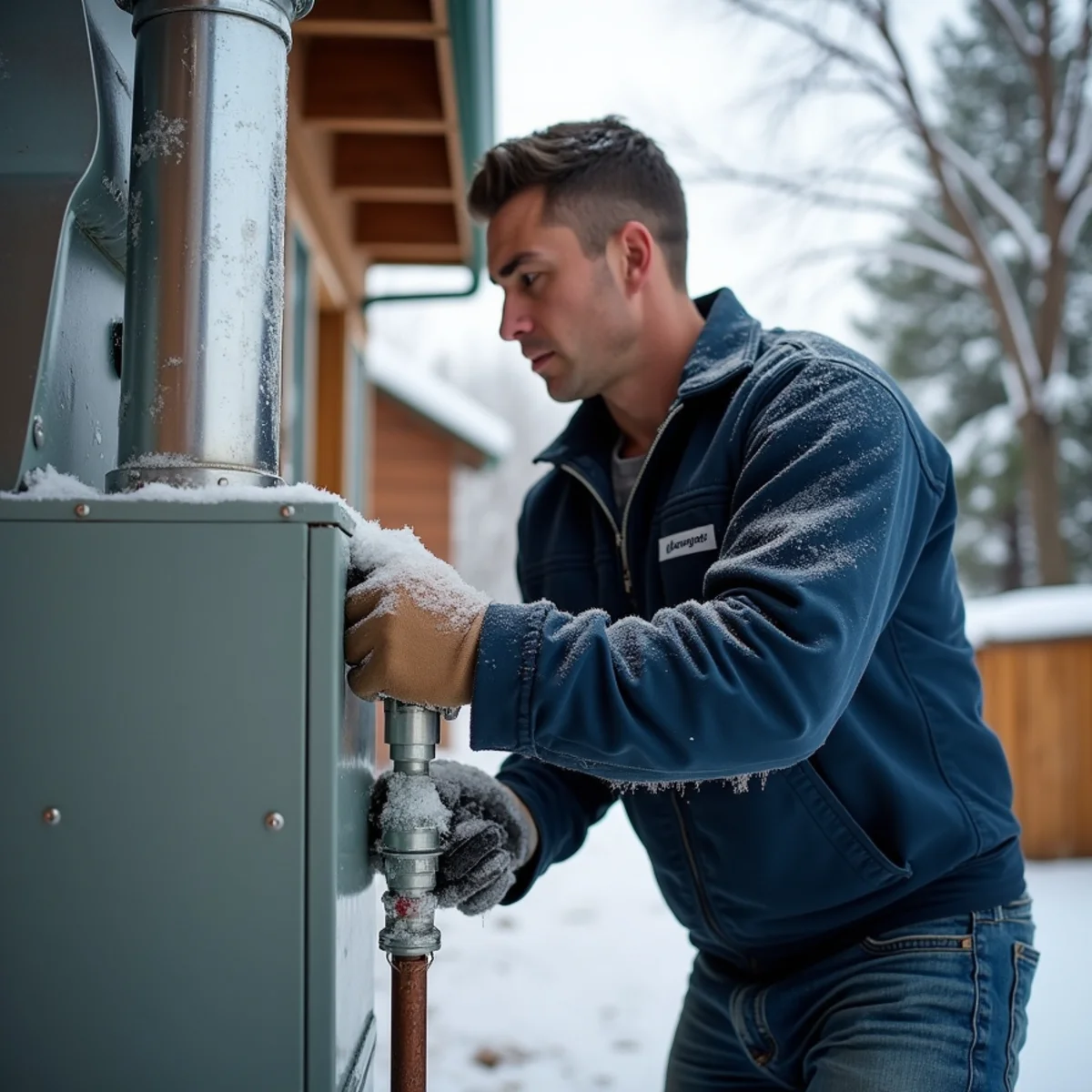
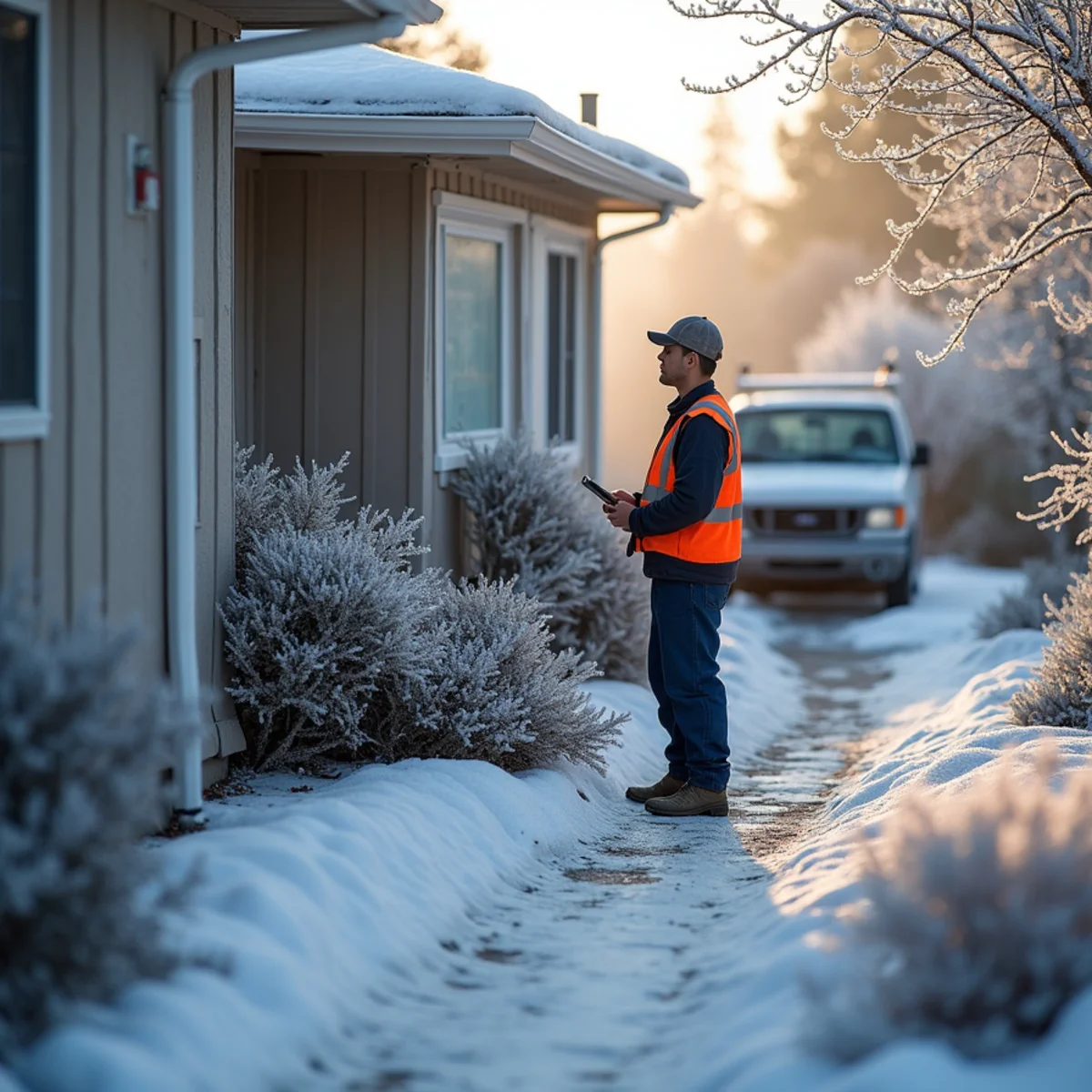
In December 2013 a brutal cold snap dropped Auburn to about 5°F — nearly unheard-of for the foothills, where a January night normally bottoms out around 38. Furnaces that had coasted through mild winters for years suddenly couldn't keep up, and our phones didn't stop ringing for a week.
When it's 5 outside and your furnace is short a burner or a heat pump is icing over, a house can slide into the 40s indoors within a few hours. Pipes freeze in the walls and under the sink. Elderly neighbors get dangerously cold before anyone realizes the heat's been out. It stops being a comfort problem and becomes a safety one.
That freeze taught foothill homeowners some hard lessons. Here's what actually failed, why extreme cold exposes a furnace's weak spots, and how to make sure yours is ready for the next one — because with our winters, another cold snap is a matter of when, not if. When the heat's already out, we run 24/7 for furnace repair.
What Actually Failed When Auburn Hit 5°F
Extreme cold doesn't create new problems so much as it drags existing ones into the open. Every marginal part that limped along at 40°F got asked to perform at 5, and a lot of them said no. Here's what we saw over and over during and after the 2013 snap:
- Undersized furnaces that ran nonstop and still lost ground against the setpoint
- Weak ignitors and flame sensors that worked fine at 40°F but failed to fire at 5
- Heat pumps with inadequate backup heat that iced up and blew lukewarm air
- Cracked heat exchangers that only revealed themselves under a full, sustained load
- Condensate lines on high-efficiency furnaces that froze solid and shut the system down
Why Extreme Cold Exposes a Neglected Furnace
A furnace is sized for a design temperature — the coldest it's normally expected to handle. Five degrees blows right past Auburn's normal design temp, so a unit that's even slightly marginal or dirty has zero reserve left. A clogged filter that merely nagged in November will overheat and trip the high-limit switch when the furnace is running flat-out. A blower that's a little tired, a burner that's partly fouled, an ignitor at the end of its life — none of it shows up on a mild day, and all of it becomes a no-heat call at 5°F.
Heat Pumps and the Backup-Heat Problem
Heat pumps lose capacity as the outdoor temperature drops, and below freezing they lean hard on defrost cycles and backup heat — either electric strips or, in a dual-fuel setup, a gas furnace. If that backup is undersized, miswired, or the outdoor unit ices over faster than it can defrost, you get air that's warmer than nothing but nowhere near comfortable. In a 5°F event, the backup heat is doing most of the work, so it has to be right. If you're weighing systems, our comparison of heat pumps vs. furnaces in the Sierra foothills walks through the trade-offs.
Fuel type plays into it too. Plenty of foothill homes above the natural-gas mains run on propane, and a hard freeze is exactly when a marginal propane furnace or a low tank shows its limits — regulators can struggle in extreme cold, and a furnace running flat-out burns through a tank fast. If you heat with propane, our rundown of propane furnace problems in Placer County covers the failure points worth checking before the first hard freeze, when a delivery truck may be days out.
When the heat's out in a freeze
If your furnace quits during a hard freeze, protect the plumbing while you wait: open the cabinet doors under sinks, let a pencil-thin trickle run from a couple of faucets, and keep the garage closed. If indoor temps fall toward the 40s with vulnerable people or pets in the house, treat it as an emergency and call for 24/7 furnace repair.
Prep Lessons From 2013 — Do These Before December
Get ready before the cold arrives
- 1Book a fall furnace tune-up and replace a weak ignitor or flame sensor proactively, before it strands you.
- 2Change the filter — a clogged one overheats the furnace and trips the limit switch on the coldest nights.
- 3Test the system on the first cool morning, not on the first hard freeze, so you find trouble with time to fix it.
- 4If you run a heat pump, confirm the backup heat works and the defrost cycle is healthy.
- 5Seal drafts and check attic insulation so the furnace isn't fighting a leaky house.
Don't Wait for the Coldest Night to Find Out
The worst possible time to discover a marginal furnace is 5 a.m. when it's 20°F and dropping. A fall check-up catches the ignitor, the flame sensor, and the early signs of a heat-exchanger problem before any of them leave you in the cold. We run same-day in Auburn and North Auburn and 24/7 for no-heat emergencies. The techs we send out during a freeze see the same short list of failures every time — a dead ignitor, a high-limit trip from a filthy filter, a heat exchanger that finally let go — and nearly all of it is the kind of thing a thirty-minute fall visit would have caught with time to spare. For a full cold-snap game plan, keep our December freeze playbook for Auburn handy.
Beat the next cold snap
A fall furnace tune-up is the cheapest insurance against a 5°F no-heat call. Call +1 (327) 210-5999 to schedule — same-day service in Auburn and North Auburn, 24/7 when the heat's already out.
Frequently Asked Questions
A normal January night in Auburn bottoms out around 38°F, with daytime highs near 56. But the foothills get outliers — in December 2013 a cold snap dropped the area to about 5°F, far colder than the equipment in most homes was ready for, which is why so many furnaces failed at once.
Furnaces are sized for a design temperature, and an extreme cold snap pushes past it, leaving no reserve. Marginal parts — a tired blower, a weak ignitor, a partly clogged filter or fouled burner — work fine in mild weather but fail when the furnace is running flat-out against record cold.
Yes, as long as the backup heat is sized and wired correctly. Heat pumps lose capacity as temperatures drop and rely on defrost cycles and backup heat below freezing. In a hard freeze the backup does most of the work, so an undersized or faulty backup is what leaves a home cold.