The first cold evening of the season, you bump the thermostat over to heat for the first time in months, and a few minutes later a burning smell drifts out of the vents. Your stomach drops. Is the furnace about to catch fire, or is this normal?
Both are possible, and telling them apart is the whole game. Some furnace smells are harmless and gone within the hour. Others mean you should walk to the breaker and shut the system down before it does real damage. Here is how a technician reads a furnace burning smell — and the exact point where you stop wondering and cut the power.
The One Smell That Is Usually Normal
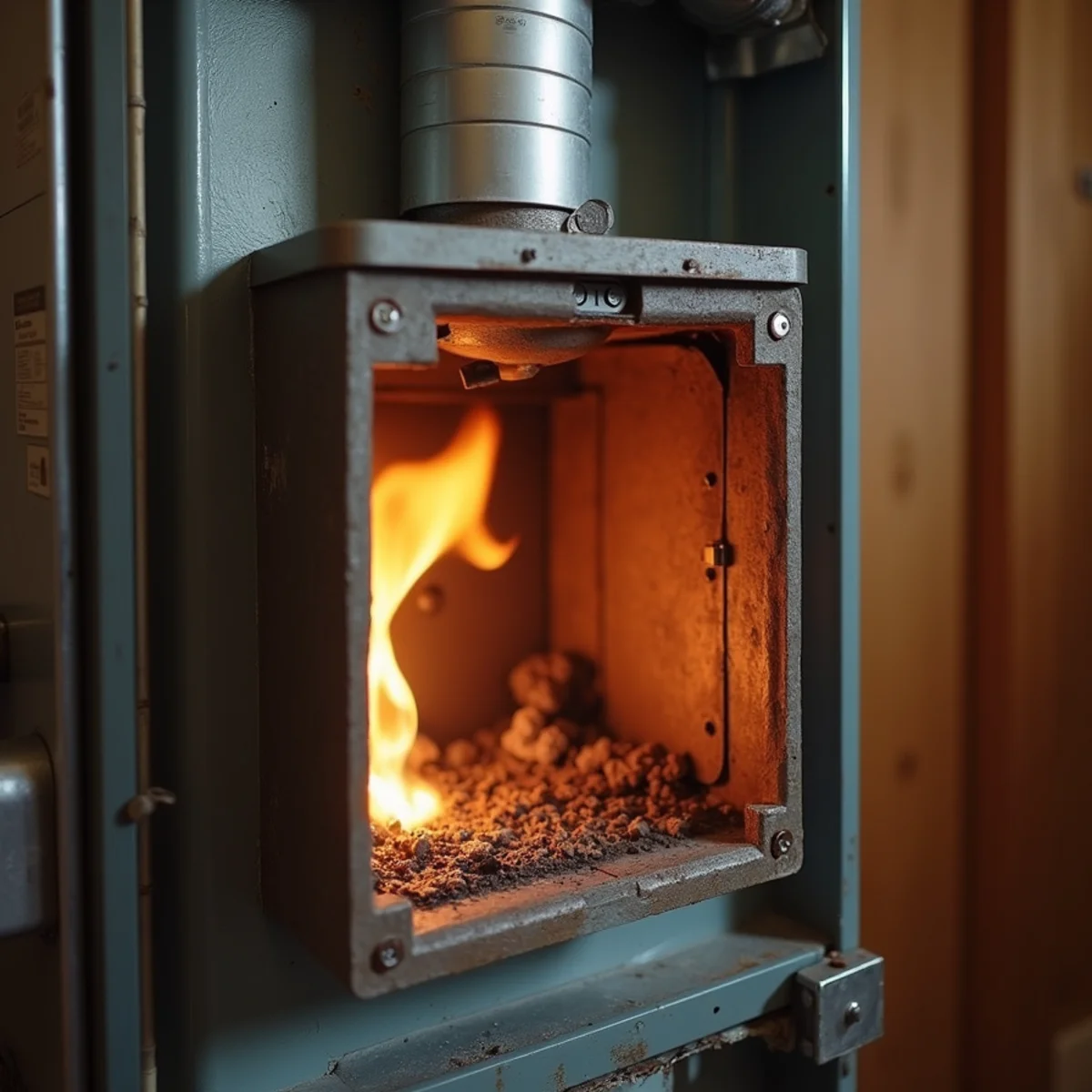
Over a long, hot summer, dust settles on the heat exchanger and burners while the furnace sits idle. The first few times you run heat, that dust cooks off and produces a light, dry, dusty-burning smell. It is common in Meadow Vista and other foothill homes that go months without heat, and it should fade within 20 to 60 minutes and not come back. If the smell clears and stays gone, you are fine — that is the furnace dust burn off, not a fault.
Smells That Mean Shut It Down Now
Anything sharp, chemical, or plastic is a different story — especially if it lingers past those first few minutes, or shows up mid-season on a furnace you have been running without trouble. These are the smells that get a system shut off.
- Electrical or hot-metal smell, like an overheating motor or scorched wiring — often a failing blower motor, a seized bearing, or a wiring fault.
- Burning plastic or a melting odor — overheating components, melted wire insulation, or a foreign object against a hot surface.
- Burning rubber — a slipping or melting belt, or electrical insulation cooking.
- Any acrid, chemical smell that does not fade the way dust does.
If you catch an electrical smell from the furnace, do not keep running it to see whether it clears. Shut it off and get it looked at.
Gas and Rotten-Egg Smells Are a Different Emergency
Gas smell? Do not touch a switch — leave
If you smell gas or rotten eggs, do not flip the breaker or any light switch. Get everyone out of the house, leave a door open, and call the gas utility and 911 from outside. Utilities add that rotten-egg odor to natural gas and propane on purpose so you can smell a leak. Never try to find or fix it yourself.
Furnace smells and what to do
| Smell | Likely cause | What to do |
|---|---|---|
| Dusty, dry burning (first run) | Dust burning off the heat exchanger | Let it run; should clear in under an hour |
| Electrical or hot metal | Overheating motor or wiring fault | Shut off at the breaker, call a tech |
| Burning plastic or rubber | Melting insulation, belt, or a foreign object | Shut off at the breaker, call a tech |
| Rotten eggs or sulfur | Possible gas leak | Leave now; call the gas utility and 911 from outside |
| Musty or mildew | Mold or moisture in the system | Not urgent; schedule an air-quality check |
| Oily or smoky | Oil furnace or a flue or venting problem | Shut down; get it inspected before reuse |
Musty and Oily Smells
A musty or mildew smell when the heat kicks on usually points to mold or moisture in the ductwork or on the coil. It is an indoor air quality issue rather than a fire hazard, but it is worth addressing — especially in the foothills, where wildfire-season filters and closed-up houses concentrate whatever is in the air. An oily or smoky smell is less common; on the few oil-fired systems around, or on any furnace with a venting problem, it means shut it down and have it inspected before you run it again.
What We Check When You Report a Burning Smell
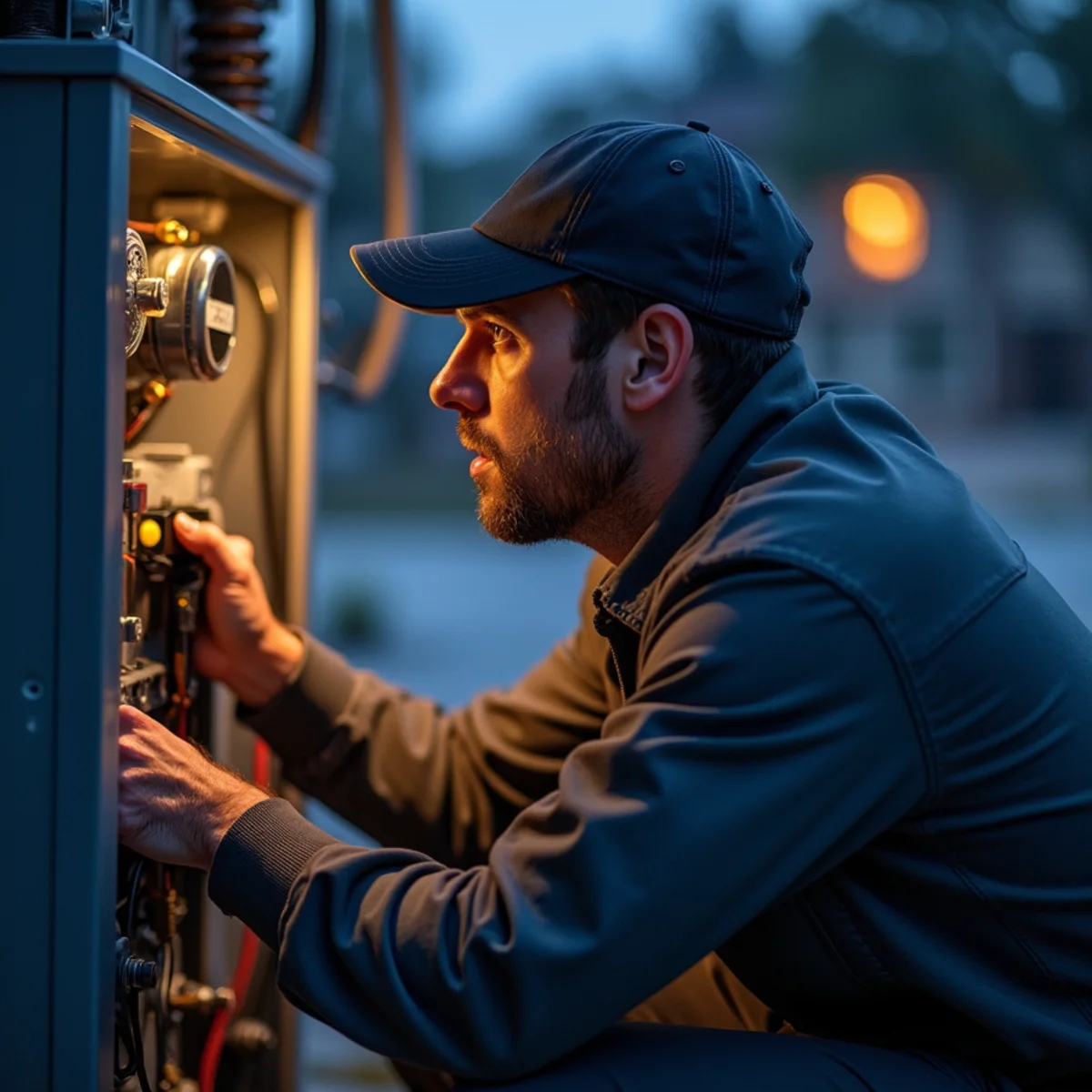
When someone calls about a burning smell that is not dust, the inspection follows the heat. We check the blower motor and its bearings for overheating, look at the run capacitor and wiring for scorching or melted insulation, and inspect the control board and connections for hot spots. On a gas furnace we also inspect the heat exchanger, because a crack there can let combustion byproducts — including carbon monoxide — mix into the air you breathe, and that is one of the few furnace faults that is genuinely dangerous rather than just inconvenient. If your home has a carbon monoxide alarm near the furnace and bedrooms, that is your backstop between service visits, so test it every heating season. Describing exactly what you smelled and when it started helps us bring the right parts on the first trip.
How to Shut the Furnace Off Safely
If the smell is electrical, plastic, or rubber and it is not fading, take the system offline. This is the safe sequence.
- 1Set the thermostat to OFF so the furnace stops calling for heat.
- 2Go to the electrical panel and switch off the furnace breaker.
- 3Do not restart it to check whether it does it again — that is how a small fault becomes a big one.
- 4Call for furnace repair in Auburn and describe exactly what you smelled and when.
If you are ever unsure whether a smell crosses the line into an emergency, our guide on what counts as an HVAC emergency lays out the calls that cannot wait. When in doubt, shut it down and call.
Describe the smell, get a straight answer
Not sure if it is dust or trouble? Call +1 (327) 210-5999 for same-day furnace service in Auburn and 24/7 emergencies.
Frequently Asked Questions
The most common reason is dust that settled on the heat exchanger and burners over the summer burning off the first few times you run heat. It produces a light, dry, dusty smell that should fade within an hour and not return. If the smell is sharp, electrical, or plastic, or it lingers, that is not dust — shut the system off.
A normal dust burn-off clears within about 20 to 60 minutes of the first heating cycles of the season. If a burning smell lasts longer than that, keeps coming back, or smells like hot metal, plastic, or rubber, turn the furnace off at the breaker and have a technician inspect it before running it again.
It depends on the smell. First-of-season dust burn-off is harmless. An electrical, plastic, or rubber smell can signal overheating parts or a wiring fault and should be shut down right away. A rotten-egg or gas smell is a possible gas leak — leave the house immediately and call the gas utility and 911 from outside.