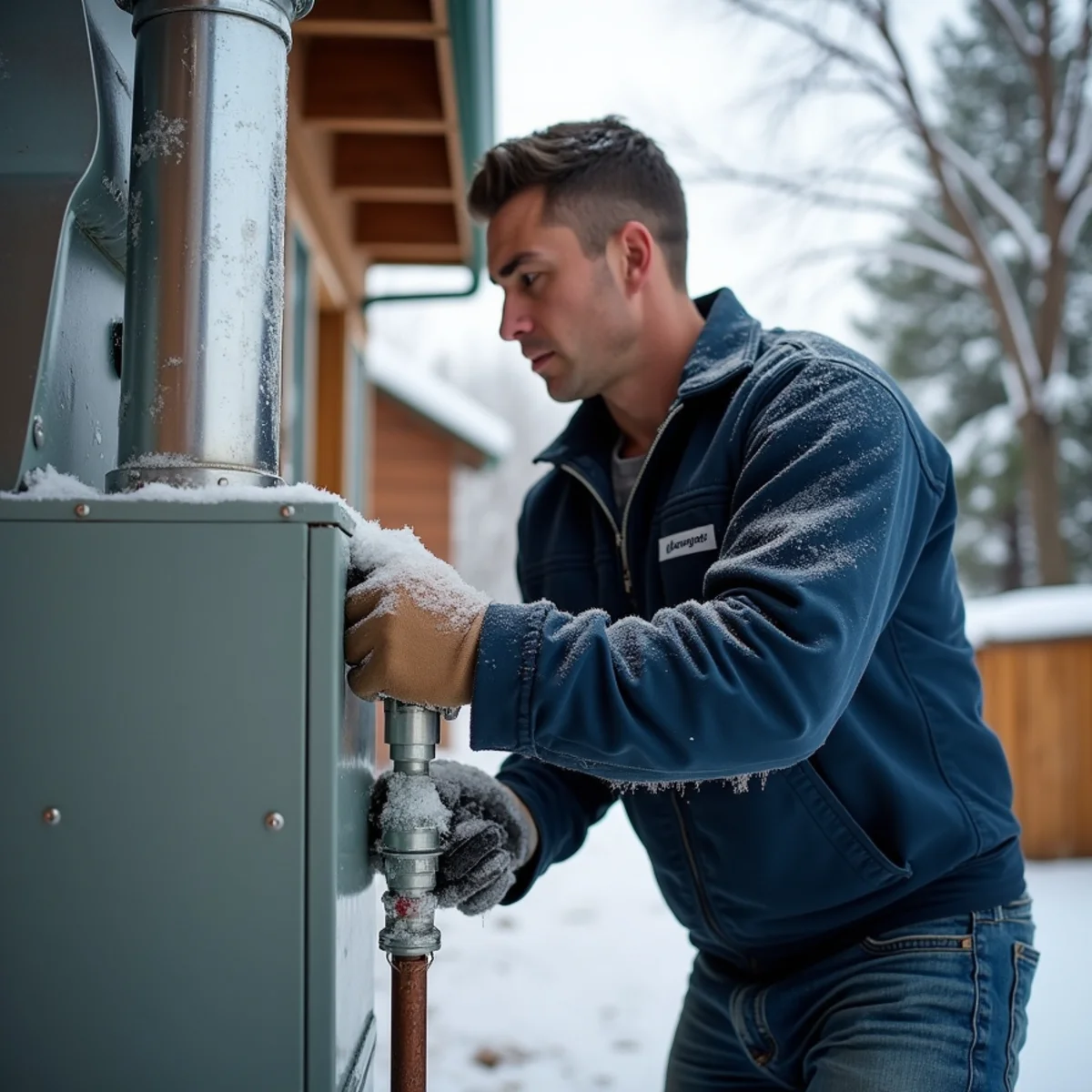
The furnace does not usually die at a convenient hour. It quits at eleven at night in the middle of December, when it is 28 degrees outside, the wind is sliding down the American River canyon, and the house is already starting to cool. Within an hour or two a well-sealed Auburn home can drop into the fifties — and up at Colfax or Alta, where the nights run colder, it happens faster.
A cold house is uncomfortable. A cold house with an infant, an older adult, or plumbing running through an unheated crawlspace is a genuine problem you have to manage tonight, not in the morning. Here is what a technician would tell you to do in the first thirty minutes, in the right order, when you have no heat.
First, Rule Out the Five-Minute Fixes
Before you assume the worst, run this quick list. A surprising number of furnace not working at night calls come back to one of these.
- 1Thermostat: set to HEAT, target above the current room temperature, and fresh batteries. A blank or frozen screen will stop the furnace cold.
- 2Furnace switch: the toggle that looks like a light switch on or near the furnace sometimes gets flipped off by someone reaching for a garage or closet light. Make sure it is on.
- 3Breaker: check the panel and reset the furnace circuit once. If it trips again right away, stop and leave it off.
- 4Air filter: a filter clogged since summer can overheat the furnace and trip a high-limit safety. Pull it out, try the system for a few minutes, and see if it fires.
- 5Gas or propane: confirm the gas is on. Propane customers, check the tank gauge — a furnace that has run the tank dry will not light until it is refilled and the line is bled.
Never burn anything unvented indoors
Do not heat the house with a gas oven, a barbecue, a camp stove, or an unvented propane or kerosene heater. Every one of them produces carbon monoxide, which is odorless and can be deadly in a closed-up house. Make sure your CO alarms have working batteries, and if one sounds, get everyone outside and call 911.
Protect the People First
Once you know the furnace is not coming back on its own, focus on people. Layer everyone in warm clothes and hats, gather the household into one smaller room, and close it off to hold body heat. Blankets, sleeping bags, and warm drinks go a long way. Watch infants and older adults closely — they lose body heat faster and show cold stress sooner. If someone in the home is medically fragile, do not tough it out; plan to move them to a warm place with family, a friend, or a local warming center for the night.
Then Protect Your Pipes
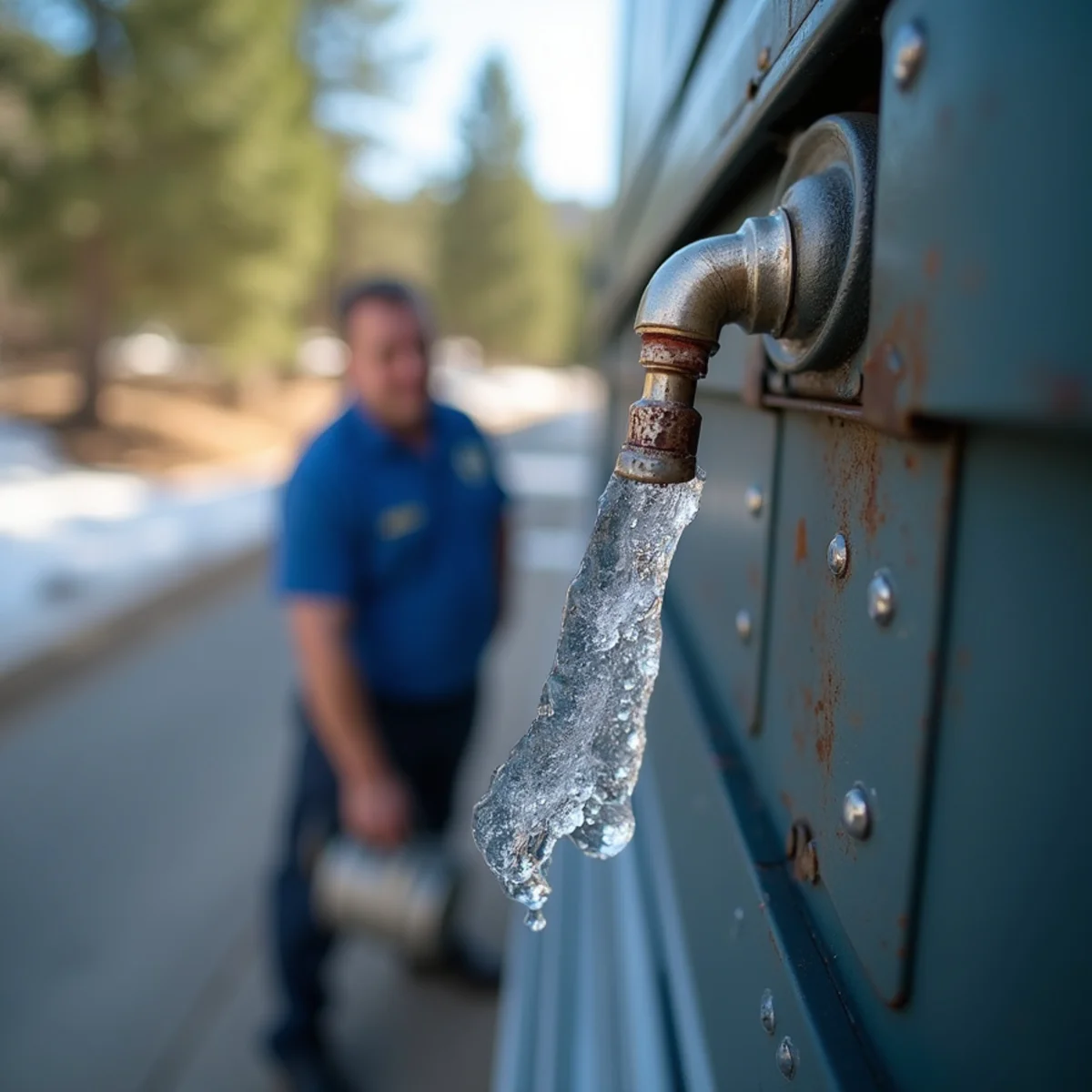
Foothill homes often have plumbing in crawlspaces, exterior walls, and unheated garages. When the heat is off and outdoor temperatures sit in the twenties, those pipes can freeze in a matter of hours, and a frozen pipe can burst and flood the house when it thaws. Open the cabinet doors under sinks so warm room air reaches the pipes, let a pencil-thin trickle run from the faucet farthest from your water meter, keep the garage door closed, and make sure you know where your main water shutoff is. Our December freeze playbook walks through the deeper freeze protocol step by step.
Safe Temporary Heat
An electric space heater is fine for a few hours if you use it correctly: plug it straight into a wall outlet, never a power strip or extension cord, keep three feet of clearance from anything that can burn, and never leave it running unattended or while everyone is asleep. A wood-burning fireplace in good working order, with the flue open, is another option. What you do not do is run any unvented fuel-burning heater indoors — that is where carbon monoxide tragedies come from every winter.
Why Furnaces Quit on the Coldest Nights
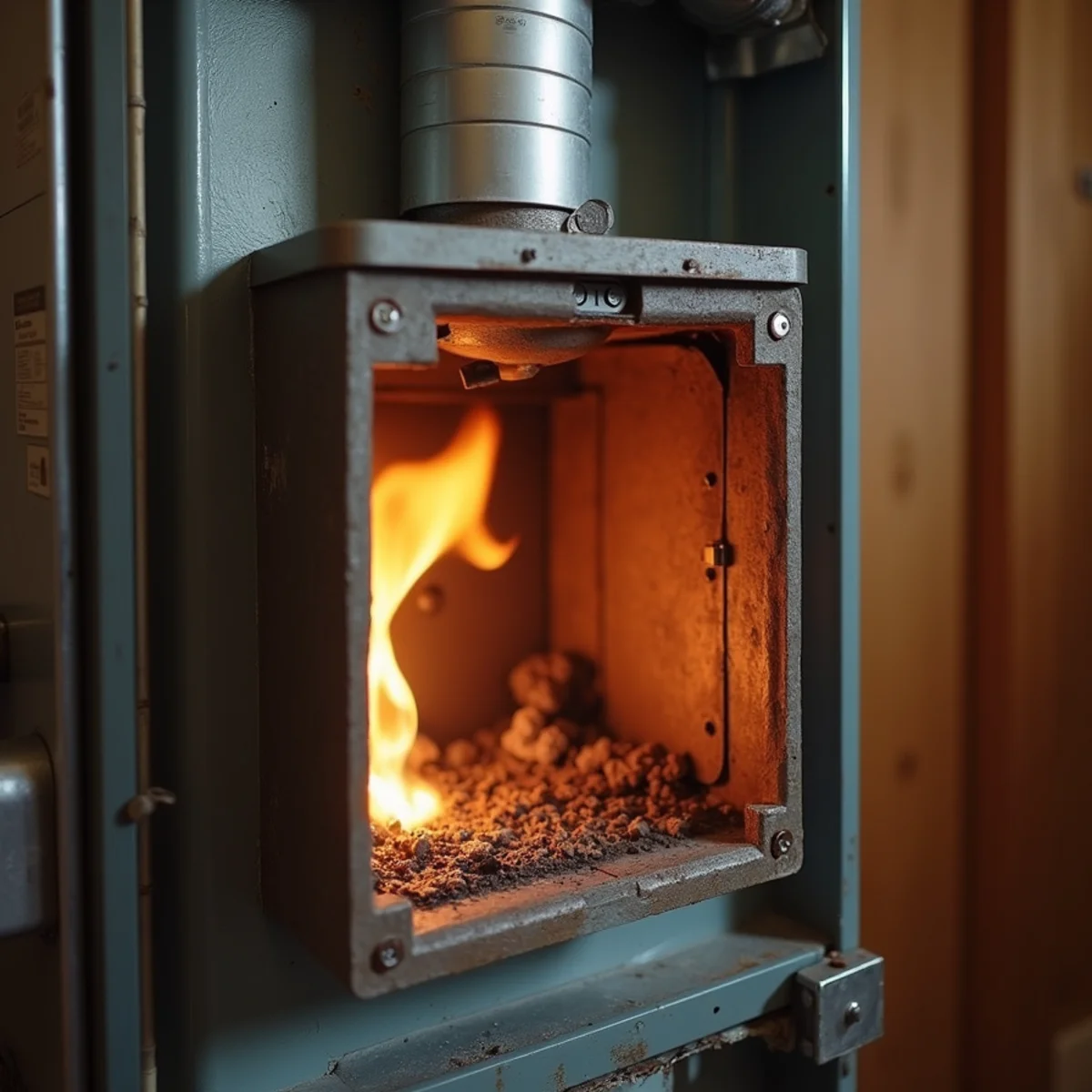
It is not a coincidence that furnaces fail during cold snaps. A freeze is when the system runs the longest, so any weak part finally gives out under the load. The usual culprits are a hot-surface ignitor that cracks, a flame sensor coated in enough residue that the burner lights and immediately drops back out, or a control board that locks out after a few failed ignition attempts. On high-efficiency furnaces, the condensate drain line itself can freeze and shut the unit down as a safety. Sorting out which one it is takes a meter and a look inside — but it also explains why a fall tune-up is the cheapest insurance against a midnight failure.
When to Call for Emergency Furnace Repair
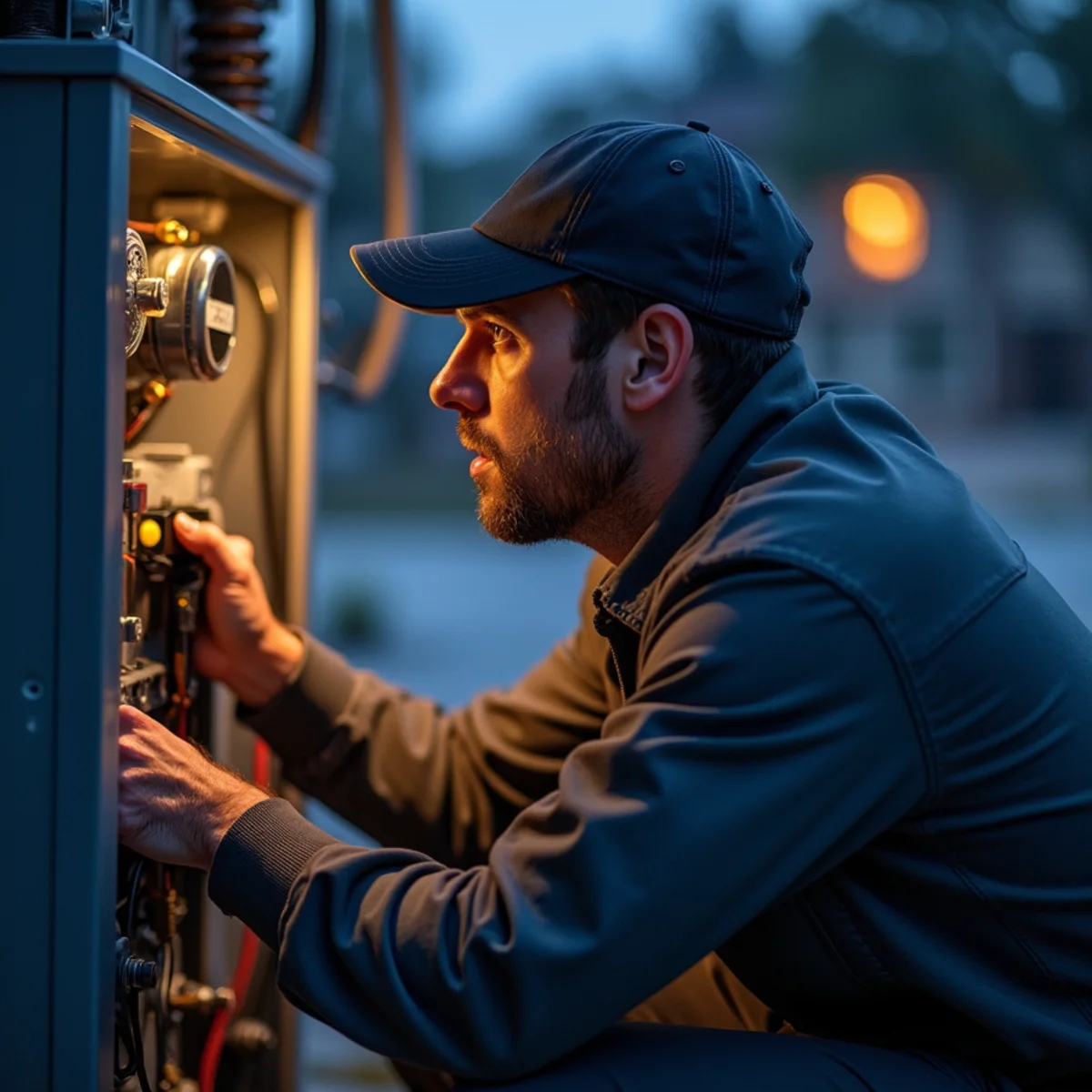
If the quick checks did not restart the system, if the burner lights and drops out or the furnace short-cycles, or if you simply cannot keep the house safely warm, it is time to call. We run 24/7, and this is exactly what emergency furnace repair in Auburn is for — no heat on a freezing night. For the underlying fix once the emergency passes, our furnace repair team handles ignitors, flame sensors, blower motors, and control boards. And if you smell gas at any point, leave the house first and call from outside.
One local note: homes up in Colfax sit near 2,400 feet, well above Auburn's 1,200, so they see colder nights and a longer heating season. A dead furnace there is more urgent than the same failure downtown, and the pipe-freeze window is shorter.
24/7 emergency heat
No heat and a cold house dropping fast? Call +1 (327) 210-5999 any hour. We run 24/7 emergency service across Auburn and the higher foothill towns.
Frequently Asked Questions
In a hard freeze, yes. When outdoor temperatures are near or below freezing, a no-heat house puts both people and plumbing at risk, and that is worth an after-hours call. On a mild night with healthy adults at home, it can usually wait until morning while you run the quick thermostat, breaker, and filter checks.
No. Space heaters should not be left running while everyone sleeps or when no one is in the room. If you use one, plug it directly into a wall outlet, keep three feet of clearance from bedding and furniture, and turn it off before bed. Never use a gas oven, grill, or unvented fuel heater to warm the house — that risks carbon monoxide poisoning.
Pipes are most at risk when temperatures drop into the low twenties for several hours, especially plumbing in crawlspaces, exterior walls, and unheated garages. When the heat is out during a cold snap, open sink cabinets, run a thin trickle from a far faucet, and know where your main shutoff is in case a pipe bursts.