
Not every HVAC breakdown is an emergency, and treating every one like it is can cost you money you did not need to spend. But some situations are genuinely dangerous, and waiting until business hours is the wrong call. The trick is knowing which is which before you are standing in a warm house at 9 p.m. trying to decide whether to pay the after-hours rate.
After enough years running calls across Auburn and Placer County, the line is pretty clear. Some problems threaten your safety — gas, carbon monoxide, fire, electrical faults, water in the wrong place. Others threaten vulnerable people when the weather is extreme. Almost everything else can wait for a normal appointment. Here is how we triage it, so you know when to call for emergency HVAC repair and when to save your money.
The Four True Emergencies — Call Right Away
These are the situations where you stop what you are doing and act. They are not about comfort; they are about safety.
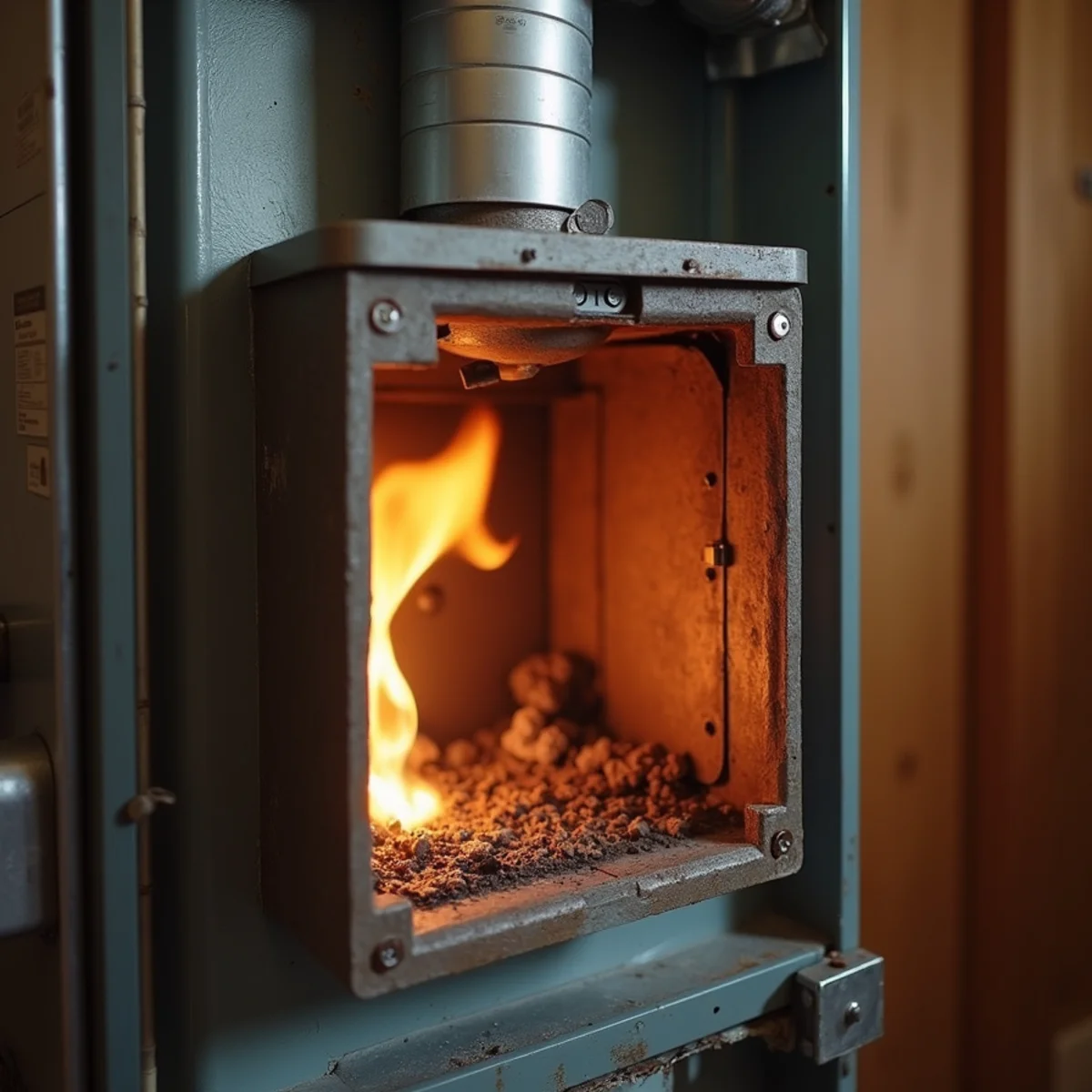
- A gas or rotten-egg smell: utilities add that odor to natural gas and propane on purpose. Get everyone out, leave a door open, and call the gas utility and us from outside.
- A carbon monoxide alarm, or headaches, dizziness, and nausea that ease when you leave the house: get outside and call 911. Do not go back in until it is cleared.
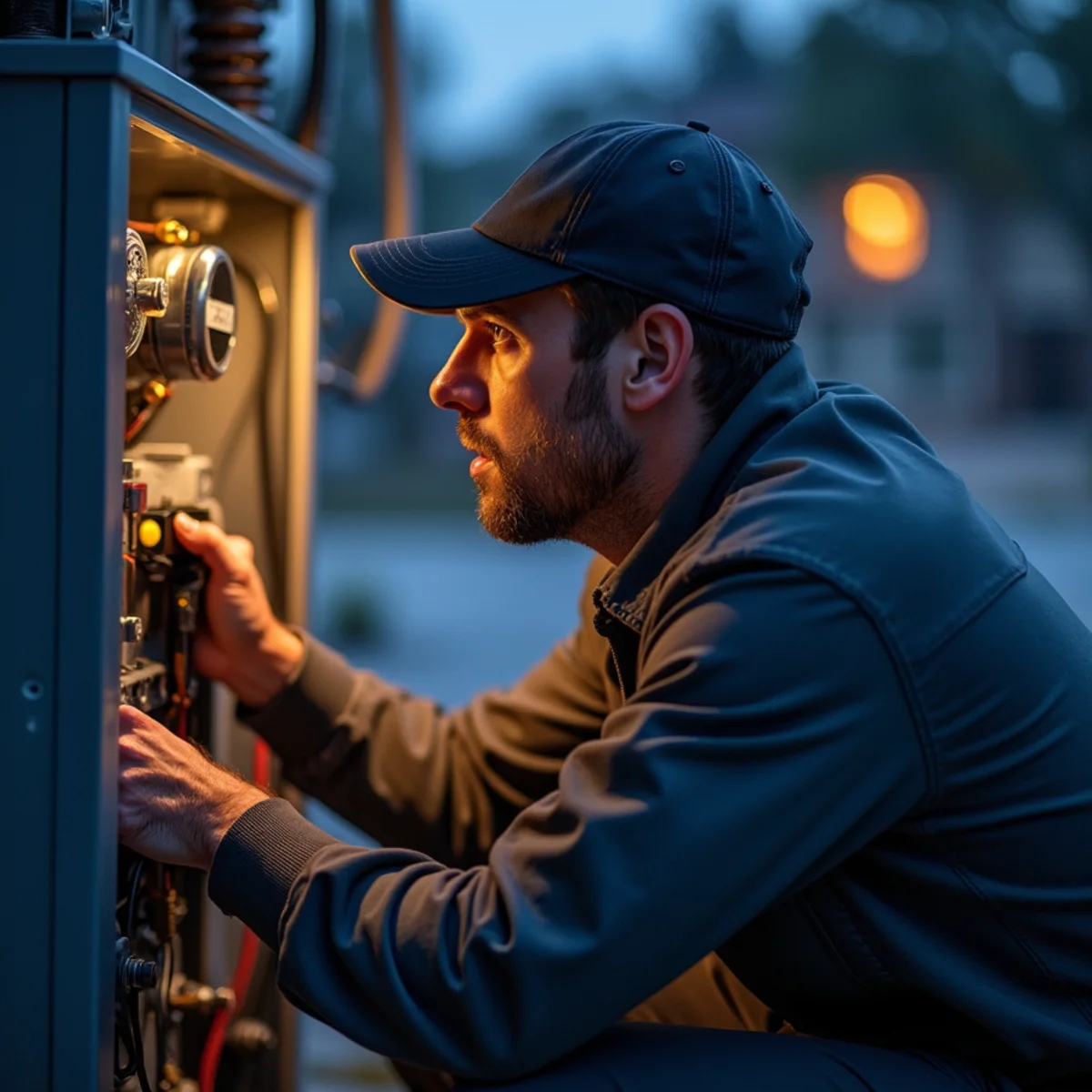
- Smoke, sparking, arcing, or a burning-electrical smell from the furnace or air handler: shut the power at the breaker and call for help.
- Water pooling around the furnace, air handler, or any wiring: kill power to the unit first, then call. Water and electricity together is not a wait-until-morning problem.
HVAC triage: emergency or wait until morning?
| Situation | Emergency? | What to do |
|---|---|---|
| Gas or rotten-egg smell | Yes — leave now | Get everyone out; call the gas utility and us from outside |
| CO alarm, or headaches and nausea | Yes — call 911 | Get outside; do not re-enter until cleared |
| Smoke, sparking, or burning-electrical smell | Yes | Shut power at the breaker, then call |
| Water pooling near the unit or wiring | Yes | Kill power to the unit, then call |
| No cooling, 100°F, infant or elderly at home | Yes — same-day | Get to a cool space; call for priority service |
| No heat during a hard freeze | Yes | Protect pipes and people; call for emergency heat |
| No cooling, mild day, healthy adults | No | Book next available; try the easy checks |
| Weak airflow or uneven rooms | No | Schedule a normal diagnostic |
| Odd noise but still running | Usually no | Note when it happens; book a visit soon |
When Weather Turns a Breakdown Into an Emergency
Auburn's climate is what moves some of these from inconvenient to urgent. In summer, with about 63 days over 90°F and frequent 100-degree stretches, a house with a hot attic heats up fast when the AC quits. That is a real health risk for infants, older adults, and anyone with a chronic condition — heat illness, not just discomfort. If vulnerable people are home during a heat wave and the house is climbing, that is a same-day emergency, full stop.
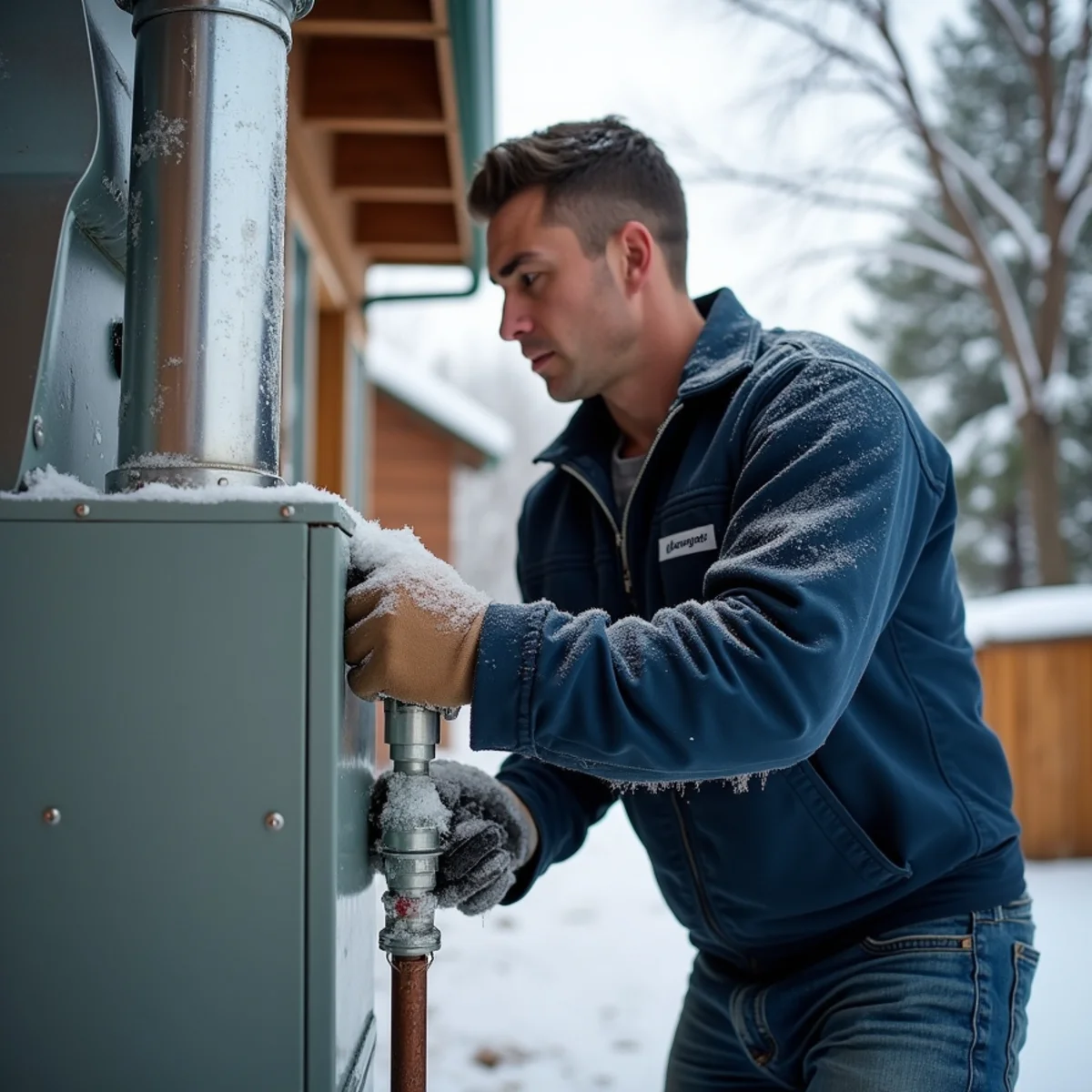
Winter flips it. A no-heat night during a foothill freeze threatens both people and plumbing at once, and the colder it is outside, the shorter your window before pipes are at risk. Our guide on what to do when the furnace dies on a freezing night covers the exact steps.
There is a foothill wrinkle worth naming: a PG&E Public Safety Power Shutoff. When the power is cut during fire weather, your HVAC stops — but that is a power problem, not a broken system, so no technician can restore heat or cooling until the grid comes back. It still becomes an emergency if someone in the home depends on climate control for a medical condition. If that is you, plan a backup before fire season, whether that is a generator, a battery, or a cooler or warmer place to ride it out.
What Can Usually Wait Until Morning
Plenty of problems feel urgent but are not. Save yourself the after-hours premium and book a normal visit for any of these, then run the simple checks in the meantime.
- No cooling on a mild day with healthy adults at home
- One room warmer or cooler than the rest, or generally weak airflow
- A new noise that comes with no smell, smoke, or burning
- A thermostat quirk you can work around for a night
- Higher bills or a system that runs longer than it used to
The Gray Areas — Use Your Judgment
Some calls sit in the middle. A breaker that trips once might be a fluke; one that trips every time you reset it is a fault — leave it off and call. A faint burning smell the first time you run the furnace each fall is usually dust burning off, but a sharp electrical or plastic smell is not. When you are unsure, the safe move is to shut the system down and call. That is what round-the-clock emergency HVAC repair in Auburn is for, and if you are in North Auburn we can often get to you same-day. Ask for the after-hours or diagnostic fee in writing so there are no surprises.
Put CO alarms on every level
Because the worst HVAC emergencies involve gas and carbon monoxide, keep working CO alarms on every floor and near sleeping areas, and test them each season. They are the cheapest safety upgrade in the house.
Not sure? Call and ask
When you cannot tell whether it is an emergency, describe it to us. Call +1 (327) 210-5999 — we run 24/7 and will tell you honestly whether it can wait.
Frequently Asked Questions
A true emergency is anything that threatens safety: a gas or rotten-egg smell, a carbon monoxide alarm, smoke or arcing, or water pooling near wiring. Weather makes two more urgent — no cooling during a heat wave with vulnerable people home, and no heat during a hard freeze. Most other breakdowns can wait for a normal appointment.
Usually not. On a mild day with healthy adults at home, you can book the next available appointment and try the simple checks first. Emergency service makes sense when the house is dangerously hot during a heat wave, especially with infants, older adults, or pets who cannot cool off safely.
After-hours and emergency visits can carry a different rate than a scheduled daytime call. Ask us to quote the diagnostic or after-hours fee in writing before we head out, so you know the cost up front and can decide whether to call now or wait for regular hours.