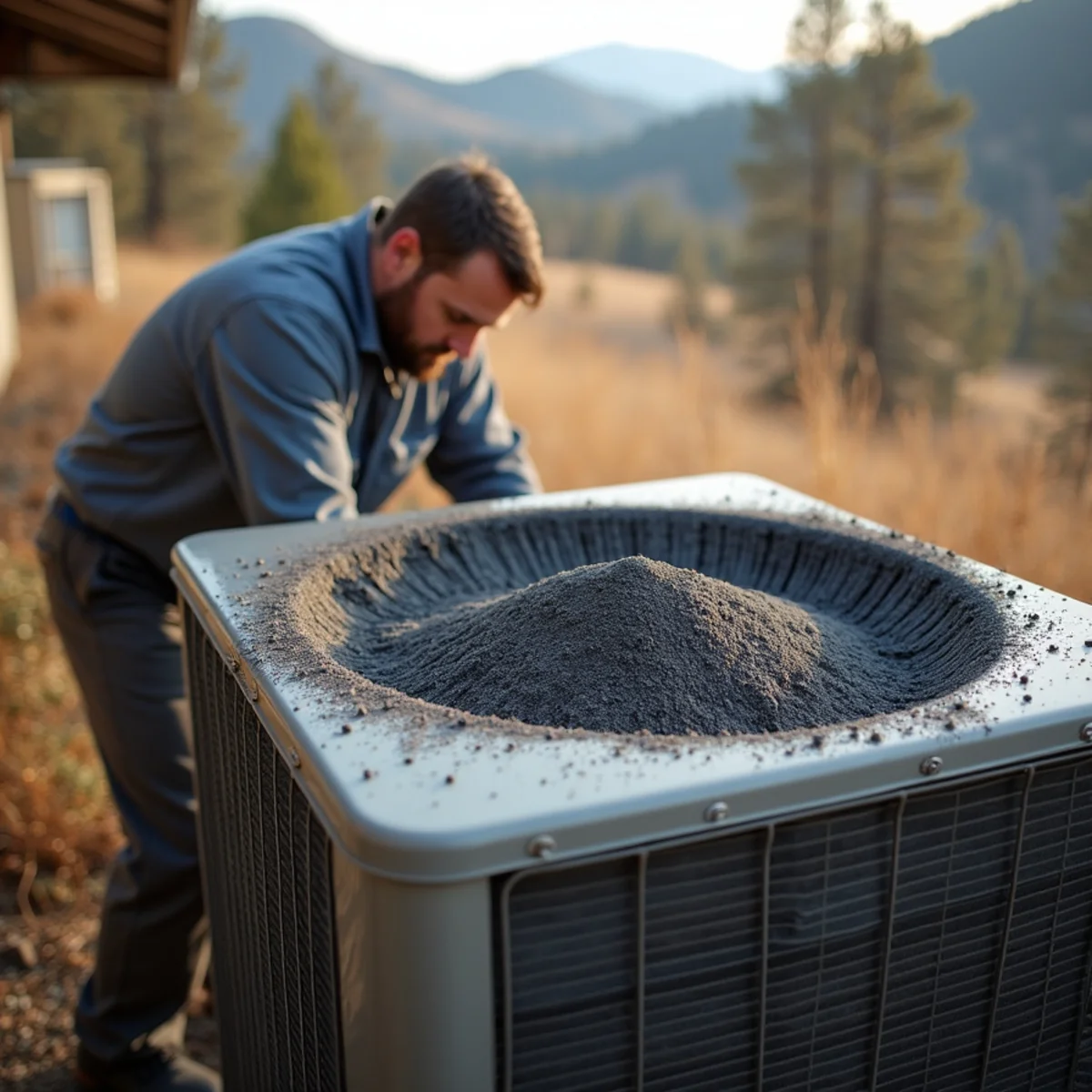
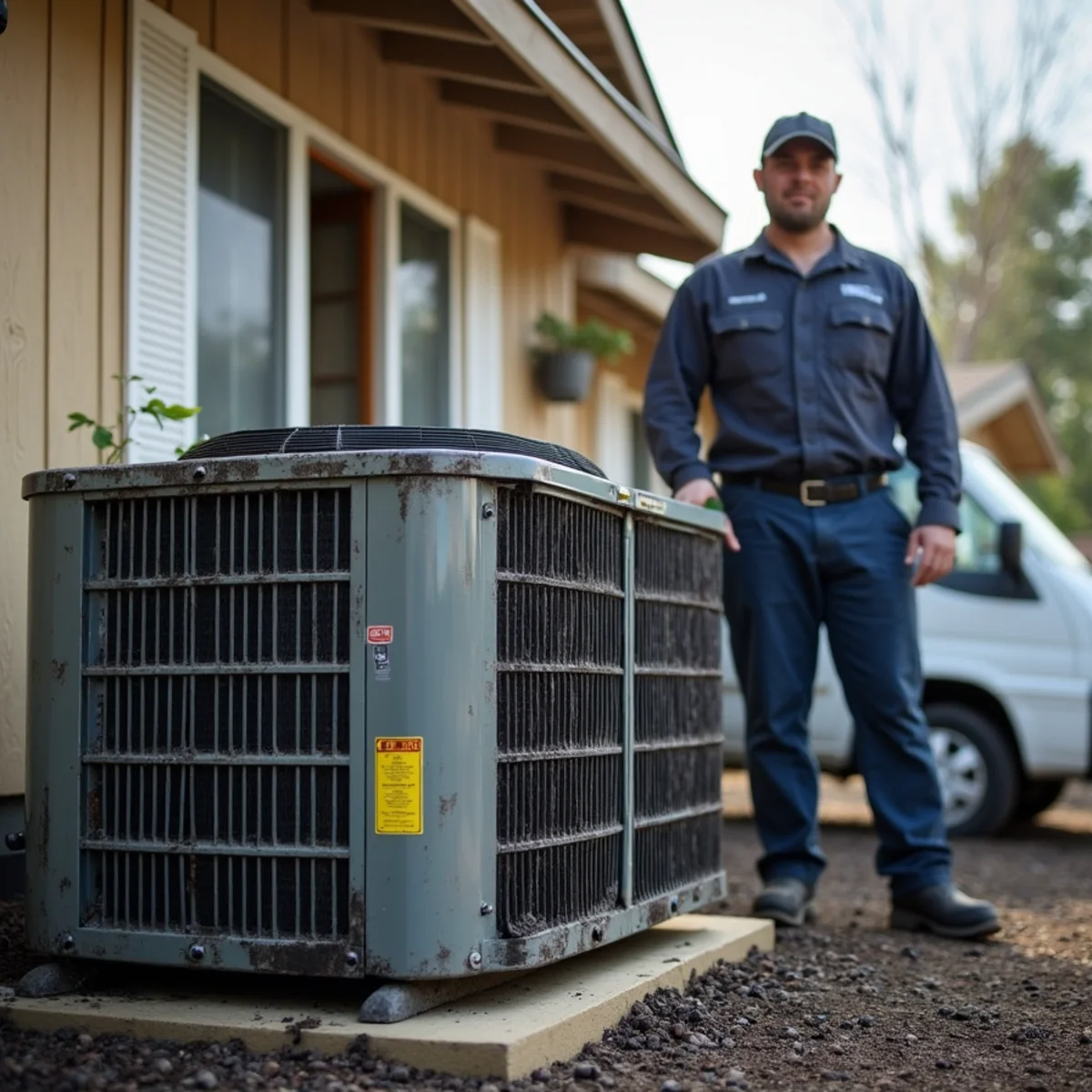
When the Mosquito Fire filled the Foresthill Divide with smoke in 2022, plenty of homes miles from any flames still ended up with ash-caked condensers, gray filters, and a system that smelled like a campfire every time it kicked on. That's the thing about wildfire smoke: it doesn't need to burn your house to damage your HVAC.
So the natural question is whether homeowners insurance covers it. And the honest answer — the one a straight-shooting Auburn tech will give you instead of a salesman's promise — is that it depends on your policy, the cause, and how well you document it. We can't tell you your claim is covered. What we can do is help you understand how these claims usually work and make sure your paperwork gives you the best shot.
This guide covers the difference between a covered event and ordinary wear, the documentation steps that make or break a claim, and exactly what a written HVAC diagnosis should include when you hand it to an adjuster.
We can't promise coverage — and neither should anyone else
Coverage is decided by your policy language and your insurer's adjuster, not by a contractor. Anyone guaranteeing your smoke-damage claim will be paid is overselling. Review your specific policy and talk to your adjuster before you assume anything.
Covered Event vs. Ordinary Wear
Insurers draw a hard line between sudden, accidental damage from a covered peril and gradual wear or lack of maintenance. Wildfire is typically treated as a covered peril, which is why smoke and ash damage stemming from a named fire often gets a fairer hearing than, say, a compressor that simply died of old age. But the burden is on you to connect the damage to the event.
Where claims get denied is the gray zone: a filthy, unmaintained system where the adjuster can argue the problem predates the fire. That's why a documented maintenance history helps you here — it's evidence that the fouling is new, not neglect. Our indoor air quality team and a good maintenance record both work in your favor when you need to show a before-and-after.
One more nuance worth knowing is how your policy pays out. Some policies reimburse actual cash value — the depreciated worth of an aging system — while others pay replacement cost. On a ten-year-old unit that difference can be thousands of dollars, so it's worth asking your agent which one you carry, and what your deductible is, before a fire ever forces the question.
Document Before You Touch Anything
The single biggest mistake homeowners make is cleaning up first and documenting later. Once you've wiped the ash away or tossed the fouled filter, you've erased your evidence. Do it in this order:
Documentation steps that protect your claim
- 1Photograph everything first — ash on the condenser, gray filters, soot at the registers, and any visible residue on the coil and blower.
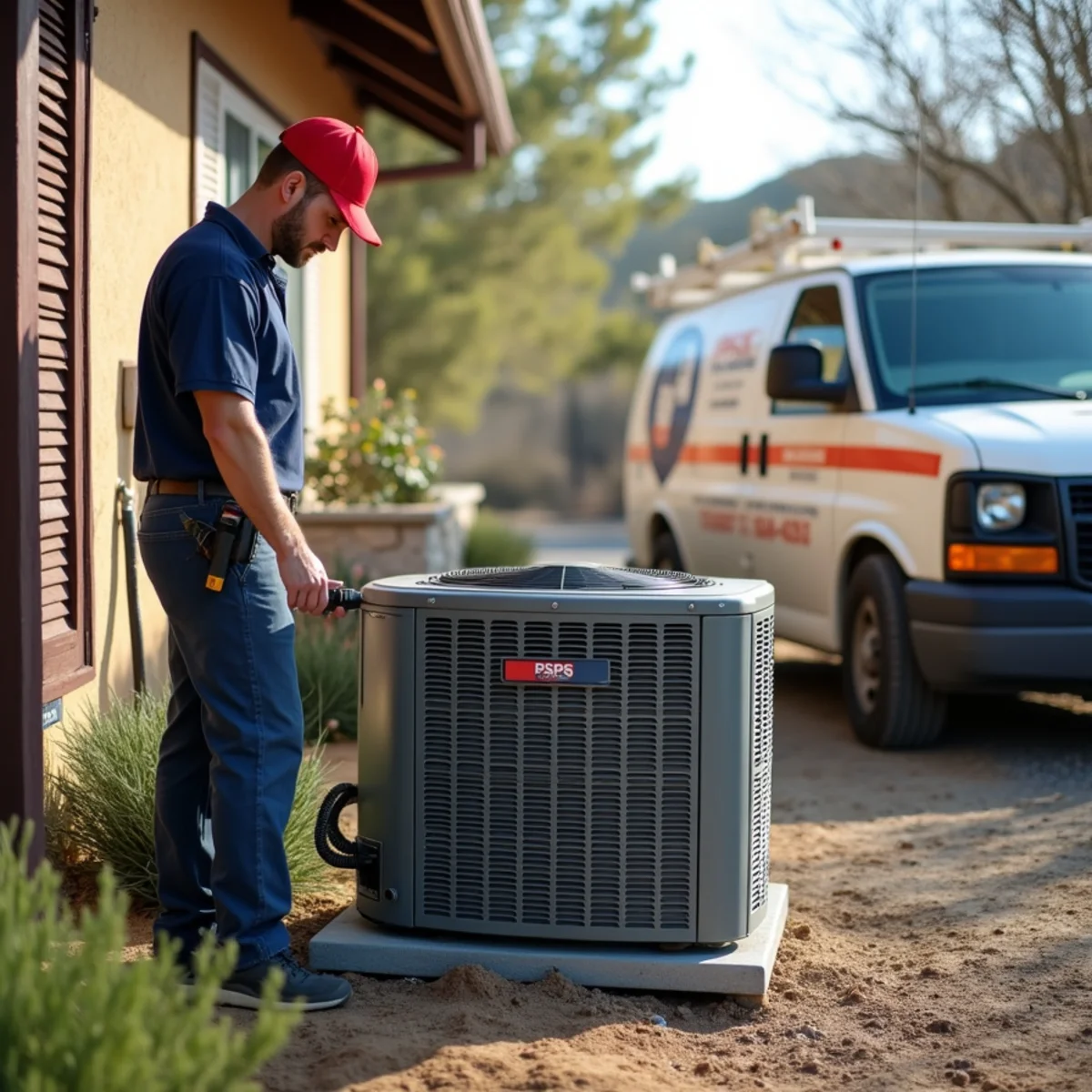
- 2Photograph the model and serial plate on the outdoor unit and the furnace or air handler so the equipment is clearly identified.
- 3Keep every invoice and receipt — filters, cleaning, diagnosis, repairs — in one folder.
- 4Call your adjuster before you discard or replace anything; ask what they need to see and whether they want to inspect first.
- 5Get a written HVAC diagnosis from a licensed contractor tying the condition to smoke and ash exposure.
Don't run a smoke-fouled system blindly
Heavy ash on the coil and blower can restrict airflow and push contaminants through the house. If your system smells strongly of smoke or is struggling after a fire event, have it inspected before you rely on it — especially if anyone in the home has asthma or heart issues.
What a Written HVAC Diagnosis Should Include
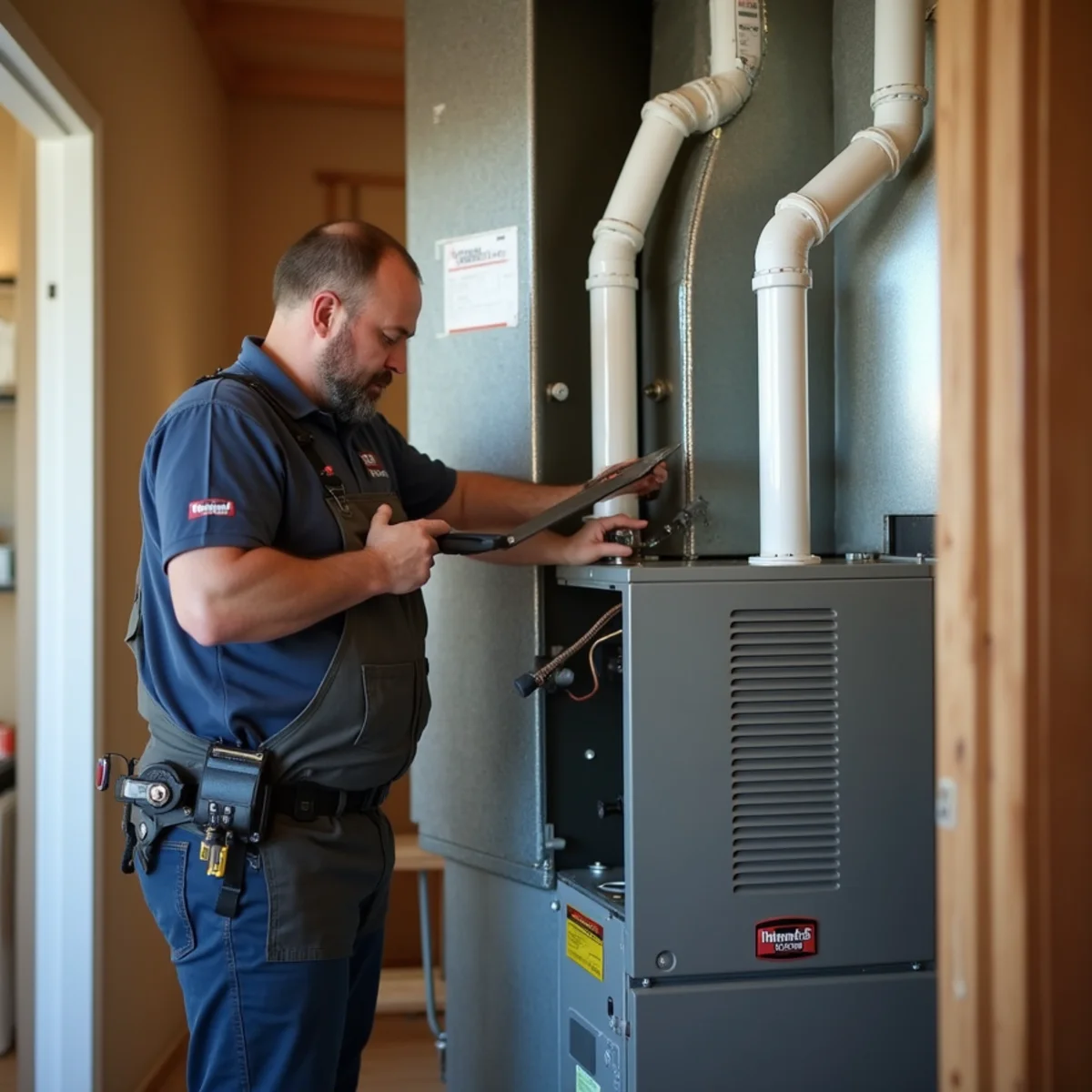
An adjuster can't act on 'the tech said it's smoke damage.' They need a written diagnosis that stands on its own. A useful one identifies the equipment, describes the specific findings, and connects them to the event without overreaching. Make sure yours includes:
- Equipment identification — make, model, and serial numbers of the affected units.
- Observed conditions — ash and soot location, coil and blower fouling, filter condition, any corrosion or residue.
- The professional opinion on cause, stated plainly and tied to smoke/ash exposure from the named fire event.
- Recommended remediation — cleaning, filter replacement, coil service, or component replacement — with the reasoning.
- The date of service and the licensed contractor's information (we note our C-20 license on our diagnoses).
That document, paired with your photos and receipts, is what turns a vague complaint into a claim an adjuster can process. If you're in a higher-risk corridor like Foresthill or along the Foresthill Road divide, keep this file ready before fire season, not during it.
After the Smoke Clears: Filters and Follow-Up
Even when damage is minor, smoke season demands a filter and IAQ reset. Fine wildfire particulate loads a filter far faster than the calendar suggests, and a clogged filter after a fire can starve the system and recirculate what's left. Our guides on wildfire smoke season and your filters and the specific lessons from the Mosquito Fire smoke and ash event walk through what to change and when.
Don't overlook the ductwork. Smoke and ash that get pulled into the return side can settle inside the ducts, where they keep re-releasing odor and fine particulate long after the outdoor air has cleared. If the house smells like smoke every time the system runs, ask whether the ducts need cleaning as part of the remediation — and make sure that recommendation lands in the written diagnosis so it's part of the claim, not an afterthought you pay for later.
Need a written diagnosis for your insurer?
Call +1 (327) 210-5999 for a licensed, documented HVAC smoke-damage inspection in Auburn and the foothills. Same-day service when possible, 24/7 for emergencies — we give you paperwork an adjuster can actually use.
Frequently Asked Questions
No one can promise that. Wildfire is often a covered peril, but coverage depends on your specific policy language and your adjuster's determination. Review your policy, contact your adjuster early, and document the damage thoroughly. A contractor can provide a written diagnosis but cannot guarantee a claim outcome.
Document first, clean second. Photograph the ash, soot, and fouled filters, capture the model and serial plates, and call your adjuster before discarding anything. Cleaning up before you document can erase the evidence your claim depends on.
It should identify the equipment by make, model, and serial number, describe the observed ash, soot, and fouling, state the professional opinion on cause tied to the fire event, recommend remediation, and include the service date and the licensed contractor's information. That gives an adjuster something concrete to act on.